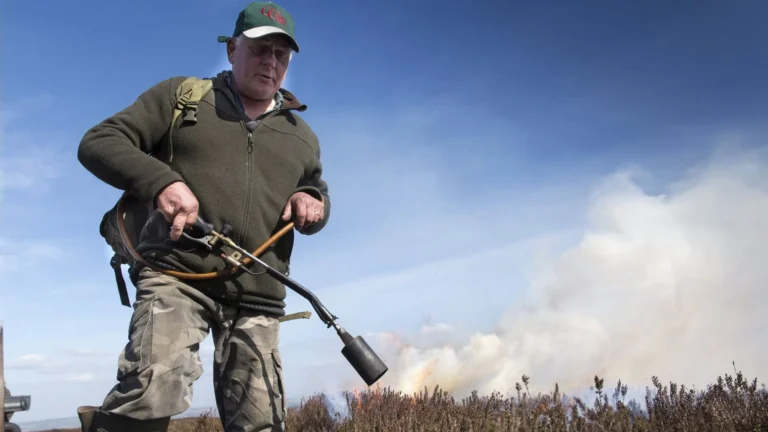
Gamekeeper doing controlled burning on a moor – Farm Images/Universal Images Group via Getty Images
Share this article
The verdict is clear. The Right has woken up to the innate statism associated with a statutory Net Zero target. Reform UK reject it outright, and the Conservatives have pledged to scrap the 2050 deadline and the 2008 Climate Change Act by which net-zero targets are enforced. Both accept the approach is a millstone around the neck of a growing economy. The public increasingly agree. Recent polling by More in Common now shows a divergence between concerns about climate change and support for Net Zero. This is an opportunity for the Right to shift the debate away from arbitrary targets to a pragmatic approach to climate change that better emphasises climate adaptation, which actively improves people’s daily lives.
Polling shows that concerns about climate change are rising, with 65% of Brits now worried. Support for Net Zero hasn’t followed, with a majority of people now sceptical of the policy. The Right of British politics shouldn’t take this as license to forget about climate change altogether. Decarbonisation in one country is a fool’s errand considering our contribution to total global emissions, but adaptation could massively reduce the number of heat deaths Britain experiences every summer. Nevertheless, mitigation needs to be a pragmatic choice by the population, not a policy imposed from the top down.
Previously, some on the Right have been too quick to dismiss any talk of climate change, while others have been sucked into using terms such as ‘apocalypse’ to describe what is happening. Both are as bad as each other
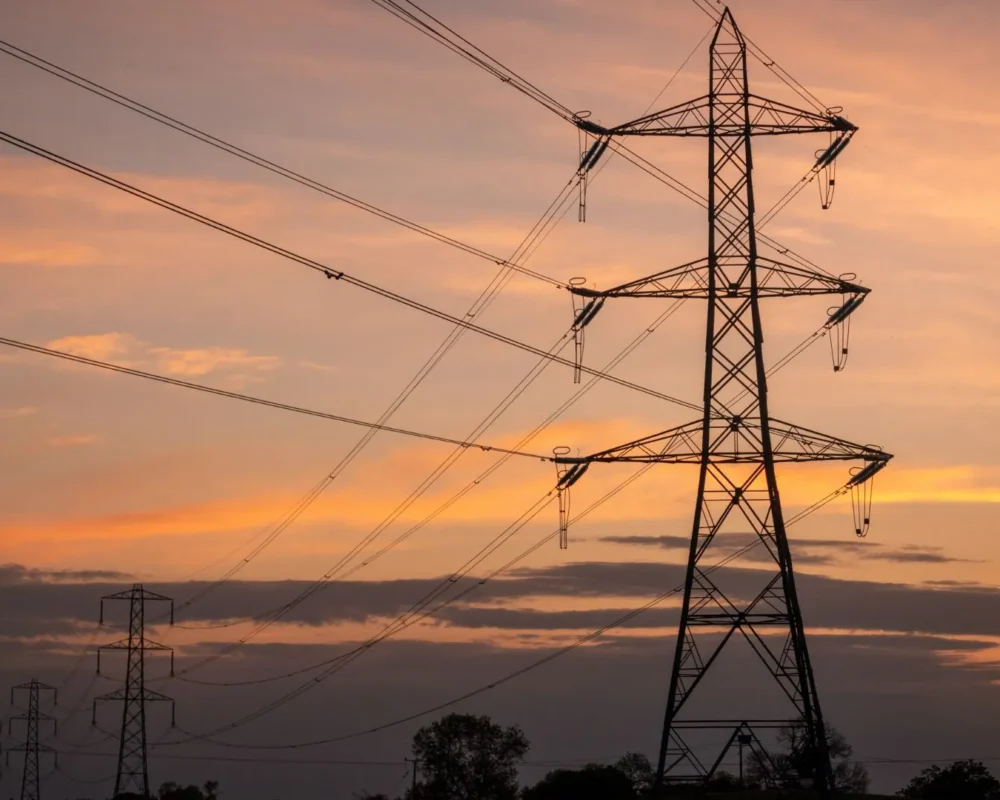
Adaptation at this time of the year means changing the country to be better suited to warmer weather. In practice, this means planting more trees across cities to create shade and reduce the urban heat island effect. It also means creating a power grid capable of supporting mass air conditioning across the country. Unlike intermittent wind and solar supplies, this requires using gas power as a transitional technology towards wider nuclear rollout. A stable grid is one that is cheap to manage, not burdened with costly backup and a risk of shortfall like our current one, which came close to collapse in June. Decarbonising the grid is a noble goal, but to risk blackouts out of a flawed commitment to wind and solar power is misguided in the extreme.
Getting serious on climate change also means managing the natural environment better, acknowledging trade-offs involved in policies such as rewilding. Nowhere is this more apparent than on Britain’s moorlands, where DEFRA and allied quangos have pressed ahead with rewilding without meaningfully consulting landowners. While rewilding is meant to encourage greater wildlife concentration – restoring the countryside to its ‘natural state’ – the buildup of dry brush on reserves this summer has made fires more likely to start and spread. Established practice, namely controlled burning, is effectively banned by DEFRA. Land managers must now rely on fewer fire mitigation strategies. The Moorland Association has long said that without removing dry buildup, fire risk isn’t truly mitigated. Giving credence to these issues can keep environmentalism at the heart of the national agenda while keeping statism away from government policy.
Environmentalism has previously been championed by the Left, while Net Zero sceptics have often fallen into the trap of opposing all environmental or climate measures. We should judge every policy on its merits instead of dismissing genuinely helpful ones out of hand. Scepticism to Net Zero comes from an opposition to large-scale state planning, not because of an ideological commitment to hydrocarbons. Previously, some on the Right have been too quick to dismiss any talk of climate change, while others have been sucked into using terms such as ‘apocalypse’ to describe what is happening. Both are as bad as each other.
A rational and balanced approach to climate change in our politics starts with sorting fact from fiction. We can all see that the climate is changing. Despite the worst climate scenarios being deemed ‘implausible’ by the IPCC, branding all climate science as nonsense is unfair and unpopular with the electorate. Instead, championing a pragmatic approach that supports billpayers will show the electorate that the Right continues to care about the environment despite rightly abandoning Net Zero.
Ditching Net Zero goals hasn’t come without criticism. This summer, Kemi Badenoch removed the Tory whip from Gavin Barwell, a member of the House of Lords, after he criticised her stance. Those on the Right will likely continue to be branded not as policy critics but as climate deniers by Net Zero’s remaining defenders, which makes the optics around non-interventionist climate adaptation all the more important. Arguably, since the Climate Change Act was passed in 2008, managing our natural areas, climate policy and Net Zero have been lumped together under a single ‘green’ label. Both parties on the Right must deconstruct this and show the electorate that they know how to look after the environment in their own way.
Stay informed with our free daily briefing.
A truly conservative environmental policy platform is one that preserves individual freedoms just as much as it makes the environmentally friendly option the most attractive one. It should provide the necessary freedoms to innovate existing technologies without the stifling restrictions Net Zero has become associated with. Current Net Zero plans focus on mandates and bans, a better approach would be to lower costs to the development of the nuclear power sector, taking authority away from quangos such as Natural England in favour of a planning system that guarantees low-carbon, cheap and reliable power.
The choice is clear: either ignore climate change entirely and lose votes, or encourage an adaptive response to get bills down that can improve people’s lives and watch public positivity grow.
Ted Newson is a researcher at The Global Warming Policy Foundation.
More Energy & Environment
22 Oct 2026
Energy & Environment
James Price
Britain is heading for blackouts
A quick show of hands. How many of you have a working torch in the kitchen drawer, and not just on your phone? Candles, matches or a working pack of AA batteries? What about a week’s worth of tinned food, a camping stove, a full jerry can? A generator? Most readers will have answered no […]
21 Oct 2026
Energy & Environment
Sean Ridley
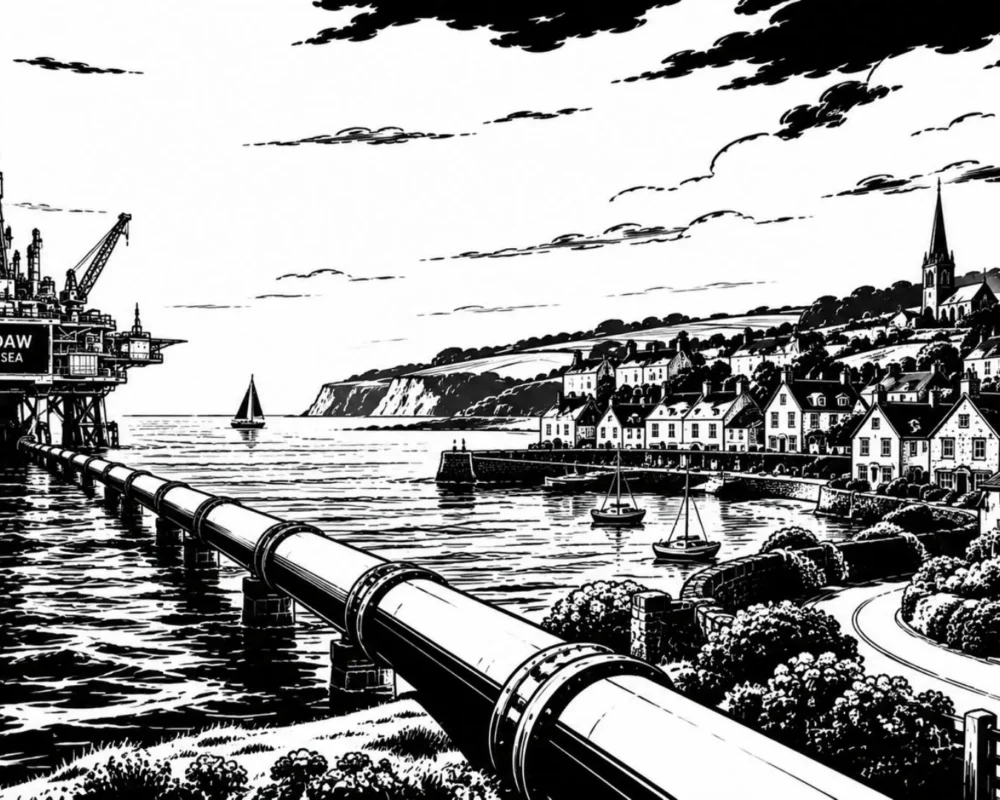
Ministers must stop stalling on Rosebank
The Government has finally bowed to common sense and given the green light to the Jackdaw gas field in the North Sea. It’s the sensible move and a good start, although a decision on Rosebank is not yet forthcoming. Given the resistance both projects have faced, it’s worth setting out why Jackdaw’s approval is good […]
20 Oct 2026
Growth
Robert Colvile
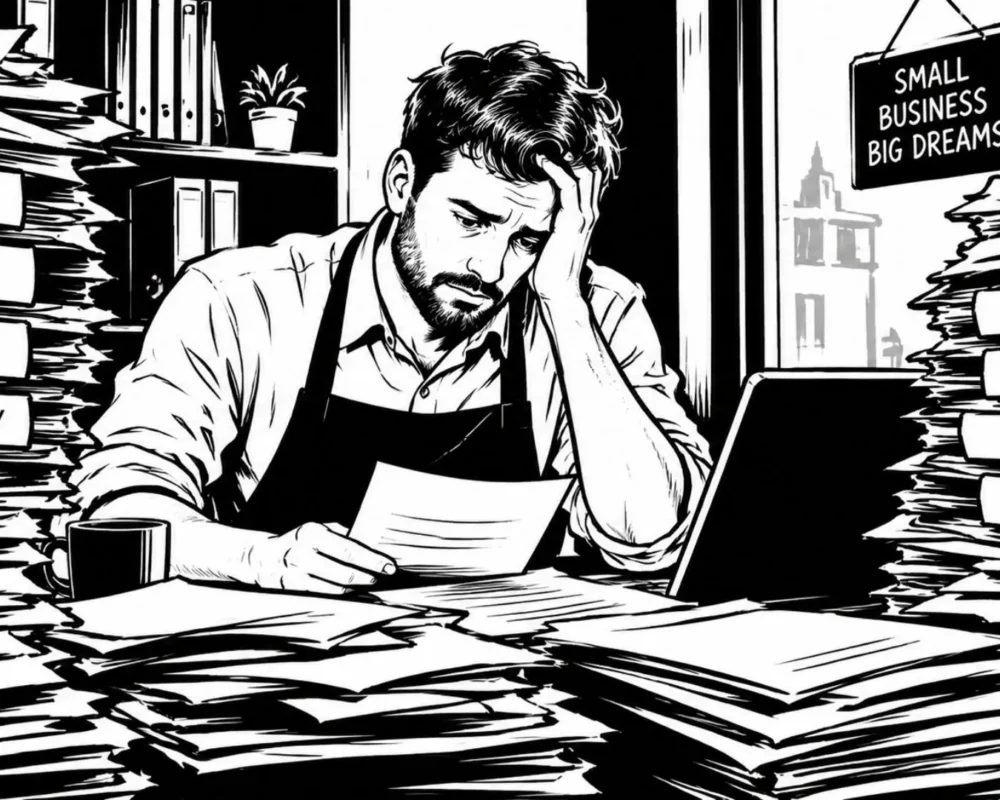
Small firms have lost faith in Westminster – with good reason
The lifeblood of the economy. The backbone of Britain. When it comes to small businesses, it’s easy to lapse into cliché. But that’s because they really, really matter. The overwhelming majority of businesses in Britain are small businesses. They employ more than 13 million people. And it’s almost impossible to exaggerate how tough things are […]
Manage Consent
To provide the best experiences, we use technologies like cookies to store and/or access device information. Consenting to these technologies will allow us to process data such as browsing behavior or unique IDs on this site. Not consenting or withdrawing consent, may adversely affect certain features and functions.
Functional Always active
The technical storage or access is strictly necessary for the legitimate purpose of enabling the use of a specific service explicitly requested by the subscriber or user, or for the sole purpose of carrying out the transmission of a communication over an electronic communications network.
Preferences
The technical storage or access is necessary for the legitimate purpose of storing preferences that are not requested by the subscriber or user.
Statistics
The technical storage or access that is used exclusively for statistical purposes.The technical storage or access that is used exclusively for anonymous statistical purposes. Without a subpoena, voluntary compliance on the part of your Internet Service Provider, or additional records from a third party, information stored or retrieved for this purpose alone cannot usually be used to identify you.
Marketing
The technical storage or access is required to create user profiles to send advertising, or to track the user on a website or across several websites for similar marketing purposes.
To provide the best experiences, we use technologies like cookies to store and/or access device information. Consenting to these technologies will allow us to process data such as browsing behavior or unique IDs on this site. Not consenting or withdrawing consent, may adversely affect certain features and functions.
Functional Always active
The technical storage or access is strictly necessary for the legitimate purpose of enabling the use of a specific service explicitly requested by the subscriber or user, or for the sole purpose of carrying out the transmission of a communication over an electronic communications network.
Preferences
The technical storage or access is necessary for the legitimate purpose of storing preferences that are not requested by the subscriber or user.
Statistics
The technical storage or access that is used exclusively for statistical purposes.The technical storage or access that is used exclusively for anonymous statistical purposes. Without a subpoena, voluntary compliance on the part of your Internet Service Provider, or additional records from a third party, information stored or retrieved for this purpose alone cannot usually be used to identify you.
Marketing
The technical storage or access is required to create user profiles to send advertising, or to track the user on a website or across several websites for similar marketing purposes.