Being a party for the ‘workers’ does not mean shifting Left
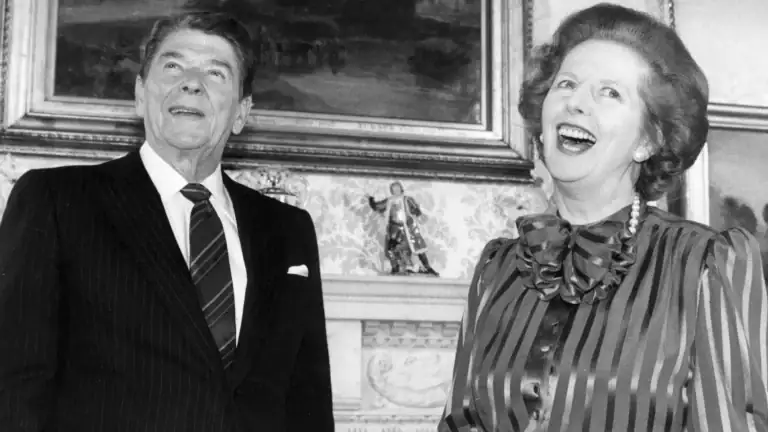
Photo by Keystone/Getty Images
Thirteen years ago, Esther McVey and I set up Blue Collar Conservatism. At the time the Conservatives were still more interested in chasing metropolitan liberals, a strategy which fell short of a majority in 2010. Even before Brexit we predicted a realignment of C2DE voters away from Labour and towards the Conservatives. A rightwards movement of broadly ‘working class’ voters which has been mirrored across the West.
We argued from the outset that they shared our values and stood to benefit most from a transformative Conservative agenda, not some Labour-lite approximation. 2019 ought to have been a historic moment of realignment. Obviously, it was not. From the Boriswave to lockdown, working people felt worse off and their communities diminished.
However, as we know with Labour’s low vote share landslide and the rise of Reform UK, these voters did not return to Labour.
Labour’s claim to be a working-class party is entirely historic. The flipside of Blue Collar’s analysis has always been more of the professional classes moving Left. This ties in well with the other chunk of Labour’s electoral coalition, those dependent on the state, as there is nothing the cosmopolitan class likes more than dishing out other people’s money to ‘the less fortunate’.
It is important to remember that state dependency isn’t a by-product of Labour policies, it is core to their electoral strategy. Dependency on the state means dependency on Labour come election time. The Budget was an unashamed push towards more dependency. Labour know working people are no longer part of their electoral coalition and act accordingly.
Even if the rapid rehabilitation of their ‘working-class heroine’ Angela Rayner pays off, it will not change this. Probably more than any other Labour figure, Rayner represents their something-for-nothing inclinations. Her working-class background would likely be window dressing for a leftward shift designed more to stem the tide of the cosmopolitan classes to the Greens.
Even her championing of the Employment Rights Bill has more to do with appealing to professional union officials than actually benefiting workers. Most workers I have met actually value having a job, which the Bill would make less likely. One measure which could backfire is the idea that employers should push union membership. Labour might find they don’t like the results if unions once again became mass movements.
The idea that the interests of the wealth creators and the workers are not the same is a myth spun by the Left to create division and stoke envy. Letting businesses grow means jobs. Attracting investment means jobs. Leading globally in innovation means jobs. Free markets mean jobs.
The likes of Zack Polanski can bang on about billionaires to manufacture a common enemy all they like, but everyone can see that the unfairness baked into our country is much closer to home.
It is the illegal migrants gaming our broken system. It is the welfare-dependent neighbour of the family who gets up at dawn to go to work. It is the young person shut out of their first job because of legal migration or punitive NI hikes on business. It is an ever-expanding state making everyday life less affordable by piling on taxes or net zero diktats which make their way back to consumers.
The defining mission of the Conservatives must be to make Britain work for working people. We must harness the potential of Blue Collar Britain, a programme of national renewal built on jobs and opportunity.
Kemi Badenoch’s Plan to Get Britain Working is a great start, but it should go further. Migration and education must be brought into the mix for our plan. A Labour Market Strategy would be a sensible way to bring together the different policy strands to turn workless Britain into Blue Collar Britain.
Our efforts to support job creation must be relentless. The state must forgo a lot of taxes and accept a reduction in size and scope to allow job creation to happen. Every person we get into work is an economic and social good. The benefits of Britain working will be felt well beyond the economy and can improve so much of our national life.
The Left has never benefited working people. So, let’s avoid the trap, which Reform occasionally falls into, that ‘working class’ voters are Left economically and Right socially. If we have confidence that Conservative values can deliver for ordinary working Brits, then let’s show them.
The greatest Blue Collar Conservative of all time was Ronald Reagan. To this day he is loved by our movement, but he was unashamedly pro-worker. He delivered for his ‘Reagan Democrats’ without compromising his principles, and they rewarded him for it.
As we build a plan for working Britain, let’s apply the Reagan Test: our principles, delivering for the workers.
Making sure it always pays to work is political motherhood and apple pie: something so obvious it’s barely worth saying. Odd, then, that last week when Kemi Badenoch suggested changing childcare rules which leave successful parents facing crazy 100%-plus tax rates if they earn more than £100,000, she faced a barrage of criticism. The critics […]
Imagine borrowing £10,000 from the bank, lending it to a friend, then telling everyone the debt’s gone – because your friend owes you the money. That’s obviously nonsensical – you still owe the same £10,000 to the bank, regardless of what you did with the money. But that’s Labour’s approach to our public finances. Let […]

The Government has finally bowed to common sense and given the green light to the Jackdaw gas field in the North Sea. It’s the sensible move and a good start, although a decision on Rosebank is not yet forthcoming. Given the resistance both projects have faced, it’s worth setting out why Jackdaw’s approval is good […]