Whatever happened to ‘Perfidious Albion’?
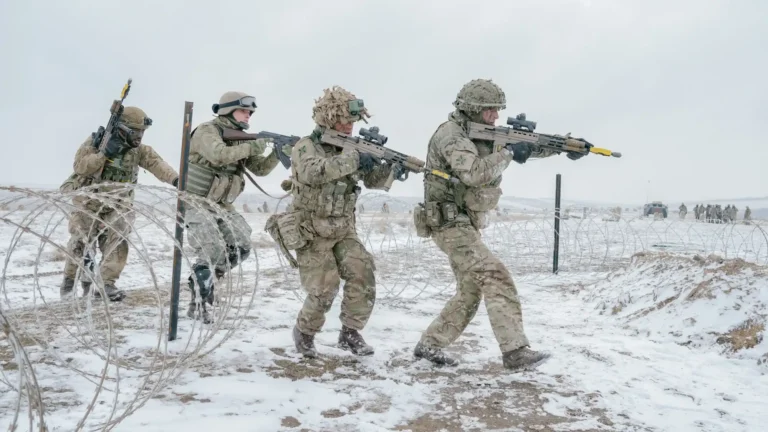
Photo: Andrei Pungovschi/Getty Images
Events across the pond in recent months have ignited a much-needed debate in Britain on how this nation fits into the new world order. This has already been analysed in various articles and by international relations experts, so I won’t add verbose commentary, other than to summarise: the post-1945 world order, built on international law, rules-based conduct and intergovernmental institutions, is dead. Great power politics, jostling for dominance in their respective spheres of influence, underpinned by economic and military might, has returned.
The key word here is ‘returned’. This is a revolution in international relations in the sense that we have revolved back to a state of play of which Britain was once the undisputed master.
The debate in the Commons following the US capture of Nicolas Maduro was a fascinating insight into the psyche of the ruling class of the UK. There was an overall consensus that the UK should defend international law, but a divide between those who thought the UK should give the US a soft pass and those who believed it should act as a rule enforcer using its diplomatic channels.
Others were more concerned with preserving the ‘special relationship’. Sensible parliamentarians have begun to raise the importance of defence spending, urging the Chancellor to increase both the scale and pace of defence expenditure. Slowly, it is becoming clear to us all that we need to hedge our bets on hard power. Regardless of whether the Trump presidency is merely a second blip in the road back to international norms, the UK should not be placed in such a precarious military position again.
To that end, Britain must rediscover its unresolving self-interest and become once more that ‘Perfidious Albion’ that backed its words with hard power. This is, after all, the nation of Palmerstonian foreign policy: a nation that sent gunboats to Greece in protest at the treatment of one of our citizens at the hands of corrupt Greek authorities (see the Don Pacifico affair). We too blockaded Venezuela in 1902 when the regime refused to pay debts and damages inflicted on European citizens during the Venezuelan civil wars (see the Venezuelan crisis of 1902–1903).
Before I get carried away, it goes without saying that we are not now that strong power which in old days moved heaven and earth. But we can still strive to protect our spheres of influence with hard power, just as our closest ally and our enemies are doing.
A 21st-century Perfidious Albion must conduct a root-and-branch reform of its entire military capability and strategic priorities. Do we trust the US to supply our nuclear deterrent? Do we trust the EU to replace our dependence on the US for intelligence, surveillance and reconnaissance in military operations? Should Britain lead a European coalition as one of two nuclear powers on the continent, or should we embrace the bliss of isolationism?
Beyond soul searching, a simple fact remains: the UK must now prioritise preparedness for warfare over our disastrous obsession with welfare. If we have returned to hard power politics, it is no longer a choice but an imperative.
Our Prime Minister, through his commitment to put British troops in Ukraine (post a peace deal) and reportedly in Greenland, puts us on a collision course with nuclear powers. At a time when our military is not prepared for real combat, this is nothing short of recklessness – gambling with the security of this nation for the sake of peacocking with the EU.
The commitment to ramp up defence spending to 2.5% of GDP by 2027 is a welcome step in the right direction, but it is inadequate to rise to the challenges we now face. Dr Simon Anglim, a fellow at the Department of War Studies at King’s College London, recently said spending 3% of GDP on defence by 2030 is ‘the barest minimum’ to build a military strong enough to deter Russia.
We must never again allow the short-term opportunism of politicians to supersede the defence of the realm. A generation of politicians thought they could get away with dipping their hands into the defence kitty to fund their pet projects and over-promise public services to voters. Just as we have fiscal rules to keep government spending in check, the Government should enshrine into law a requirement for defence spending to be maintained at a competitive level, to ensure we never again hollow out our military to the point of impotence.
Just as Lord Salisbury introduced the principle of the two-power standard through the Naval Defence Act 1889, ensuring the Royal Navy maintained a fleet larger than the fleets of the next two rival powers combined, this generation of British leaders should enshrine an obligation for our current and future governments to uphold a level of military capability sufficient to maintain the defence of our national interests. The obligation does not need to be numerical, but based on a measure of a standard of military power for which we can be assured the UK can defend herself. This will bring much-needed, and more frequent parliamentary scrutiny on defence capability and our national security more generally, giving greater weight to the voice of military strategists and the armed forces.
If gunboat diplomacy is back, we need the spirit of the ‘two-power standard’ back in our policy mindset.
Moreover, this approach would force policymakers to rebalance our priorities and roll back the peace dividend which has been treated as a bottomless money pit for inefficient services. whilst UK defence spending has shrunk from around 7% of GDP in the 1950s to 2.3%, annual spending on public healthcare in the UK has grown to account for 8.9% of GDP (2023). In tandem, the welfare state has ballooned. Pensioners enjoy a ‘triple lock’ state pension costing the Treasury £124bn, and the benefits system allows more than half of the population to live in households that receive more in benefits than they pay in taxes, totalling around 35 million people. How can this carry on in a world of strong men when our armed forces are crying out for investment.
The UK must prioritise rebuilding its military, and embrace a period of sober realism. We are not the hard power we once were or think we are, but we are the nation which wrote the book on gun boat diplomacy and we have it in us to restore our hard power capabilities. It just requires hard choices. Only then can we confidently and meaningfully defend our values.
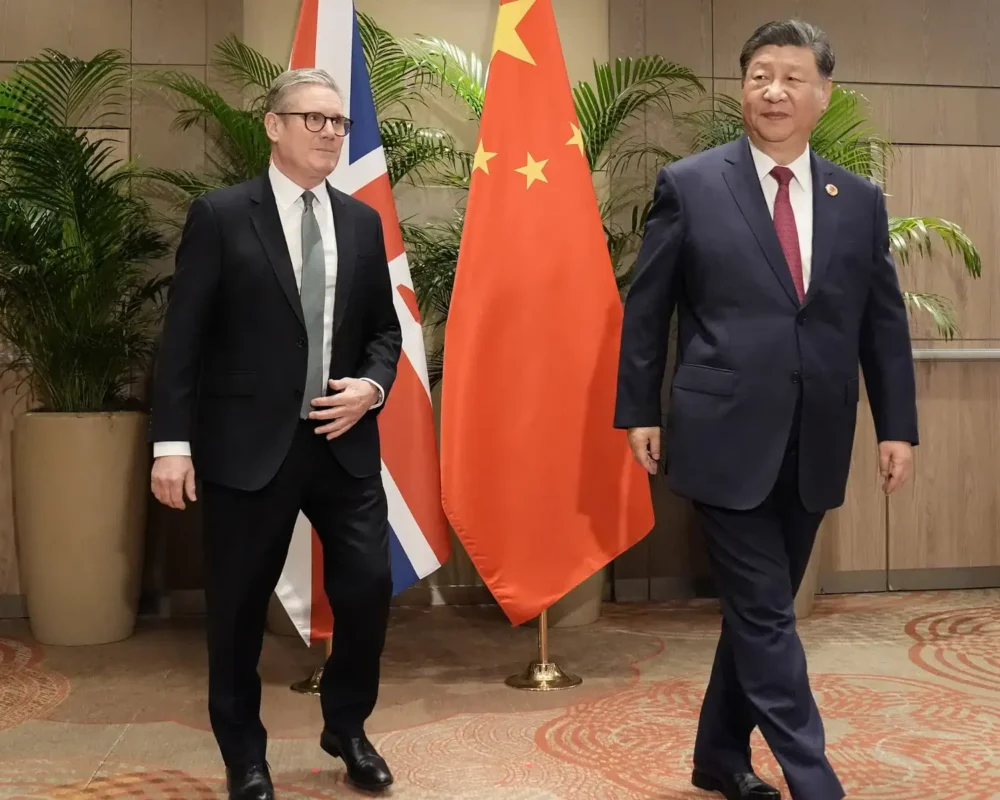
Keir Starmer will be packing his suitcases and selecting his travel outfit for his visit to Beijing later this week, the first for a British premier since Theresa May in January/February 2018. Like his predecessor, the Prime Minister will be accompanied by a substantial delegation of business and trade leaders, as well as the Chancellor […]
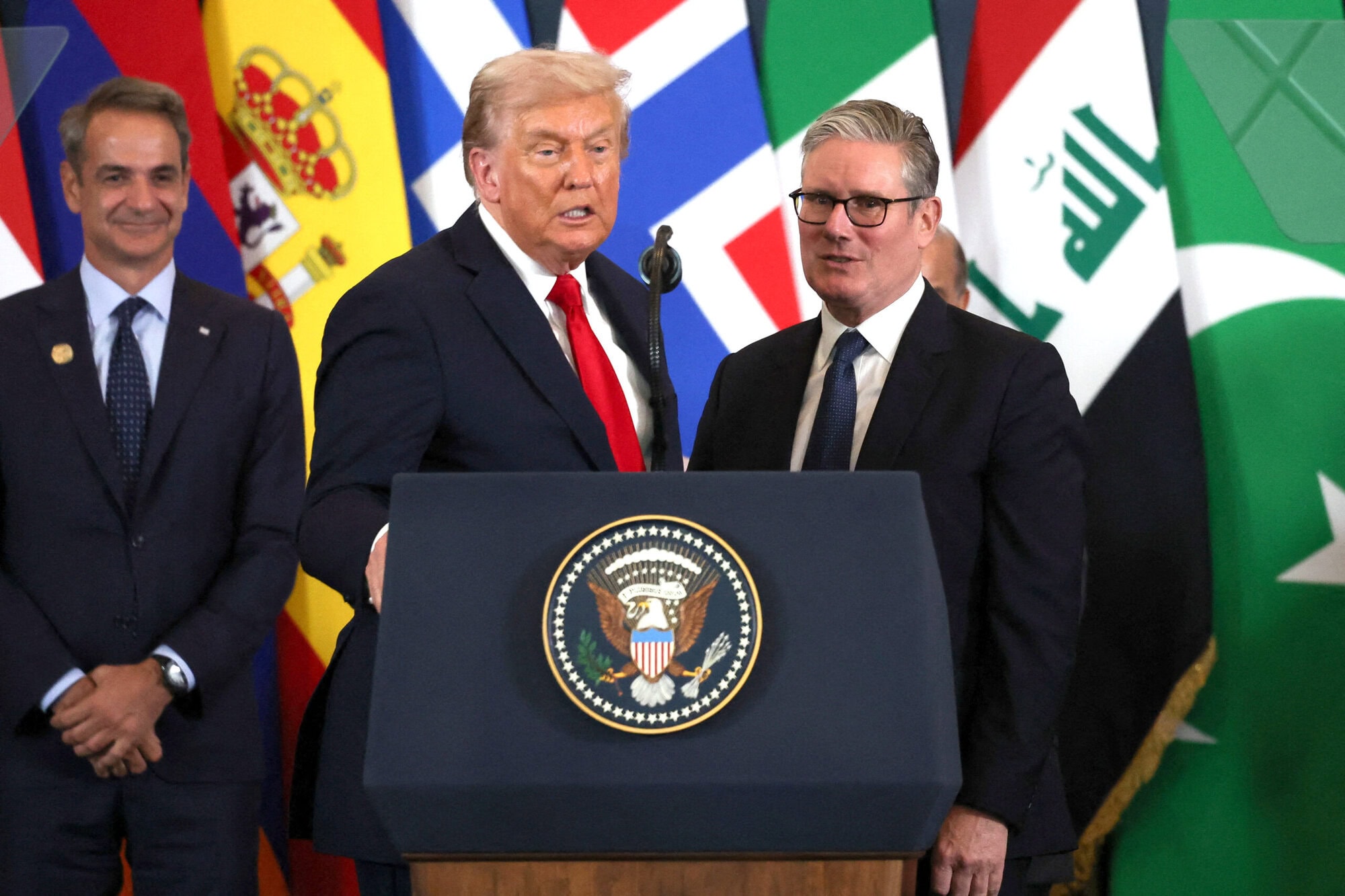
Just over two years on from one of the worst attacks on Jews since the Holocaust, and the beginning of a conflict that has left Gaza in ruins, it looks as though a semblance of peace may be brought to the Middle East. Under the terms of a ceasefire deal brokered by Donald Trump, the […]
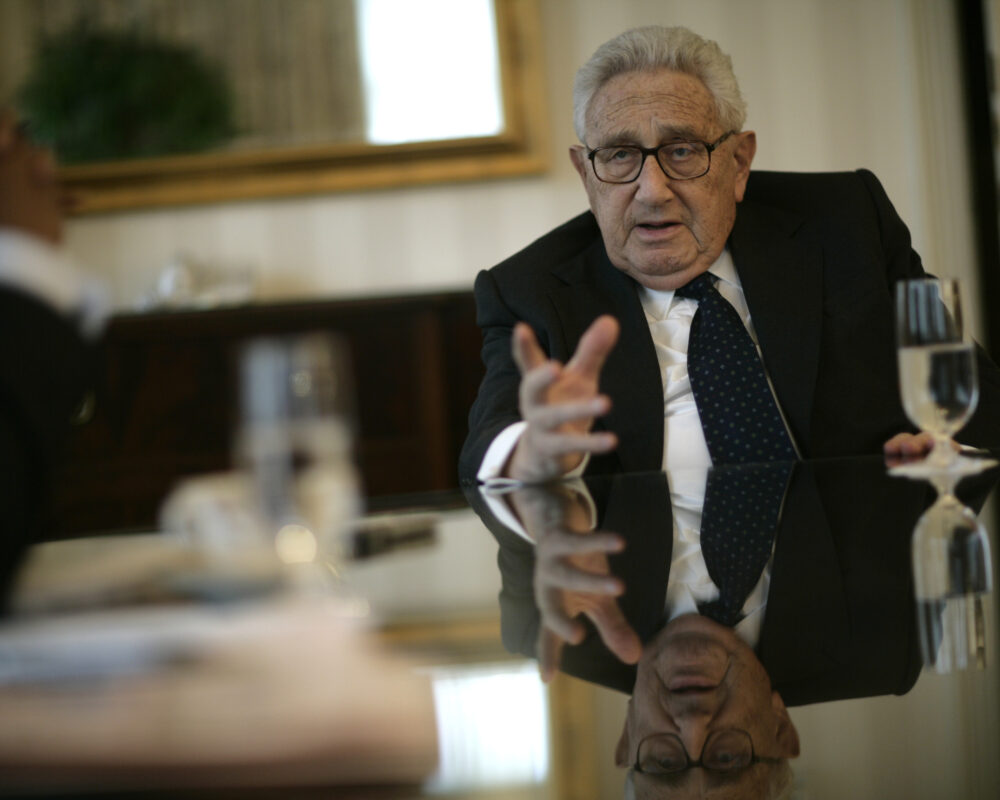
For more than three years, Ukraine has been ravaged by the bloodiest conflict on the European continent since the Second World War. The outcome of this war will have significant ramifications for the security of all Europeans, yet we are not even at the negotiating table. We are relegated to the status of helpless bystanders, […]