The UK will pay the price for Burnham’s U-turns

Kin Cheung - Pool / Getty Images
Andy Burnham’s much-promised strong and decisive leadership has been elusive during his first 100 days. With one telling exception. He has stuck to his guns about what the nation should call white bread rolls. Namely, ‘barm cakes’, as they do in his new constituency of Makerfield.
In doing so, he’s gifted us with an acronym for a key governing trait, BARM: Burnham Always Retreats to the Middle – somewhere between what his backbenchers demand and what his frontbench proposes. Looking at his first Budget and 100 days in office we can clearly see an instinct to talk a big game, but ultimately defer and retreat.
If Andy Burnham’s next 100 days are distinguished by more policy pivots, he risks undermining his ability to tackle the UK’s stark economic challenges
President Trump’s propensity to retreat from his big claims earned the moniker TACO – ‘Trump Always Chickens Out’. His administration has paid a heavy economic price for its poor choices – and, as the midterms have just driven home, a devastating political one. In BARM, the UK now has its own version, and it could prove very costly here too.
That’s because investors are watching to see if Burnham proves to be indecisive and ‘in hock’ to the Parliamentary Labour Party (to coin a phrase) – in which case they will demand a higher premium to lend the Government money.
His messy replacement of Rachel Reeves as Chancellor was a classic piece of BARM. Burnham dropped his first choice, Ed Miliband, after the pick proved controversial. He then retreated from his second choice, Shabana Mahmood, after she too raised hackles. He then compromised with his Labour critics by appointing John Healey. In parallel, he retreated from reforming the Treasury but established a mini-Treasury (‘No 10 North’) to take the lead on economic growth.
This was not isolated. It established how he governs. Burnham’s compromise on indefinite leave to remain (ILR) this week is just the latest example. Over the summer he retreated from several fiscal policy ideas. It began with a sharp U-turn over revisiting the settlements for so-called ‘WASPI women’, followed by a pivot away from scrapping stamp duty and reforming council tax. He also floated raising the personal allowance, then backed away from it.
It is an open secret that Burnham would like to revise aspects of the fiscal mandate he inherited. But as the prospect of becoming PM became more of a reality – and he attracted rising scrutiny, not least from bondholders – he pivoted to say the two fiscal rules would remain intact. Albeit with talk of maximising ‘flexibilities’.
Such BARMy rhetoric has consequences. It sows confusion and doubt in the minds of investors about the strength of the Government’s commitment to fiscal discipline. This can manifest in higher borrowing costs. UK gilt yields have become increasingly sensitive to external shocks and tend to rise more than those of peer economies – a vulnerability Burnham should be careful not to compound.
The Prime Minister’s indecision runs beyond narrow fiscal matters. Key welfare reviews led by Stephen Timms and Alan Milburn are still without publication dates, and there are no details on how the Government will reach 3% of GDP on defence. Final decisions about North Sea oil are still pending.
There is a ministerial muddle about the future of Thames Water and what constitutes ‘public control’ of key utilities. The opacity about infrastructure policy has been worsened by Burnham’s questioning of the viability of a third runway. Such politicking and pivoting risks repricing assets, corroding investor sentiment and the Government’s credibility.
Keir Starmer and Reeves overclaimed when stating they ‘fixed the economic foundations’. They bequeathed Burnham an economy marked by both cyclical and structural weaknesses. Investors are used to policy volatility across G7 markets. Not least in Paris and Washington, during the second terms of Presidents Macron and Trump. But that patience is not unlimited.
The new Chancellor appears hamstrung by Burnham’s MO. Key spending decisions were omitted from Healey’s autumn Budget. They will, we are told, be included in the next Spending Review – the date of which is reportedly deferred to next autumn. Such actions inevitably raise questions about credibility, even as Team Burnham seems to think market participants and conditions will stay calm if they just keep kicking the fiscal can down the road.
Andy Burnham’s backers will point to his announcements to introduce a ‘National Care Service’ and reduce the costs of state pensions as examples of leading from the front. On pensions, he did break a political taboo, but in reality there is no plan. On social care, any legislation, in whatever shape it comes, is linked to another review led by Louise Casey and the outcome of the next general election. (And any notional savings from ‘adjusting’ the triple lock are to be more than offset by any future Labour care agenda.) As for reforming the voting system, Burnham is echoing a Lib Dem agenda. Ditto revisiting the Brexit referendum result and re-engaging the EU.
In summary, as a more personable leader, Andy Burnham has lifted Labour’s standing with voters, but the hardest tests, on issues where his party is sceptical or hostile and the country is keen for change, are still to come. Policies to reduce the welfare bill and control illegal immigration await, and any confusion will erode electoral and fiscal credibility.
If Andy Burnham’s next 100 days are distinguished by more policy pivots, he risks undermining his ability to tackle the UK’s stark economic challenges and will appear to be at the mercy of events and his party. The rot that set in under Starmer will return.
In ‘BARM’ we trust? It could cost Burnham and Britain dearly.


Reports earlier this week suggested that there have been ‘robust cabinet discussions’ over the Government’s approach to AI. The Financial Times reports that those discussions have yielded seven core principles, signed off but not yet published, including that ‘control and sovereignty matter’ and ‘infrastructure must serve a national purpose and deliver for communities’. Missing from […]
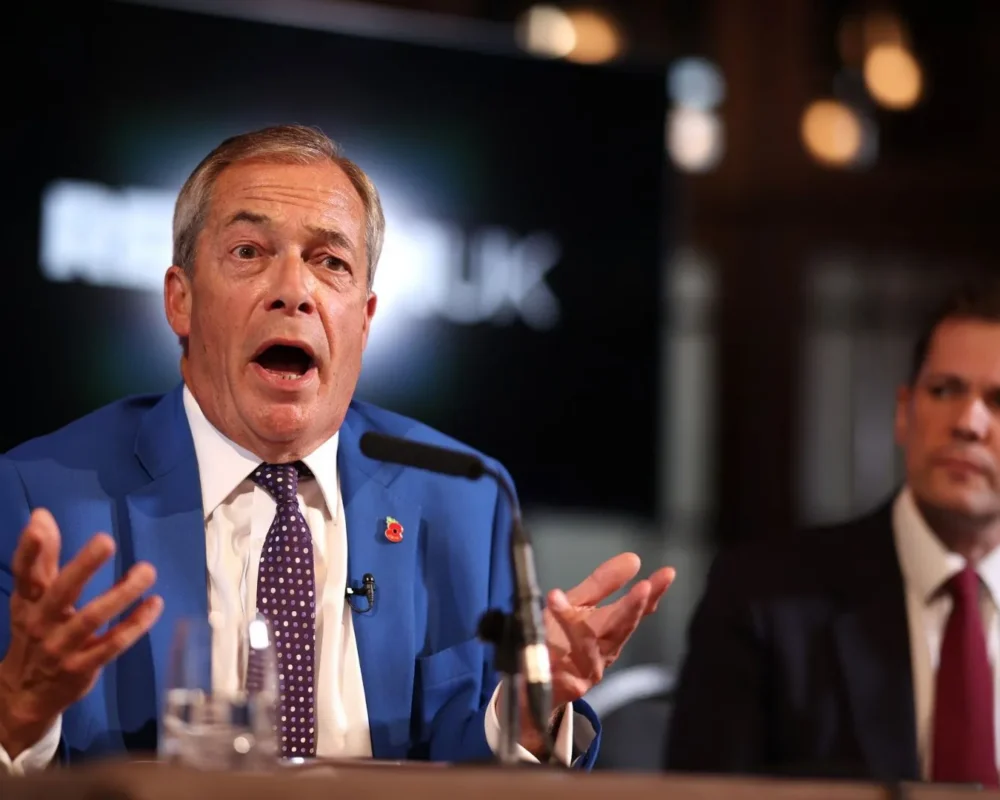
I’ll declare an interest. I sit on Reform UK’s Board and I’ve known Nigel Farage for a quarter of a century. So when Kemi Badenoch tells the country that Reform are ‘another left-wing party’, that we and Labour are arguing for ‘the same things, nationalisation, the two-child benefit cap’, that Farage is Jeremy Corbyn wrapped […]
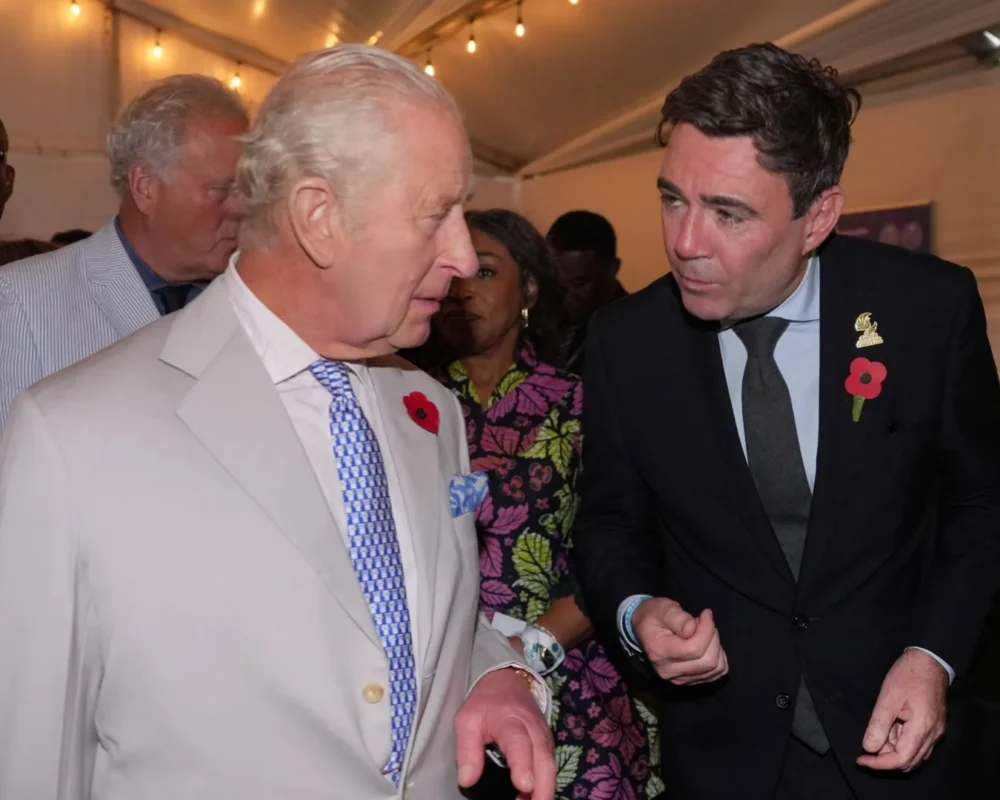
The Commonwealth is an anachronism in the 21st century – an imperial hangover that shows no signs of abatement but is instead getting worse. As King Charles addressed his subjects in Antigua and Barbuda ahead of this week’s Commonwealth Heads of Government meeting (CHOGM), our Prime Minister was throwing out statements about possible apologies and […]