We must scrap the pestilential small taxes
Getty images
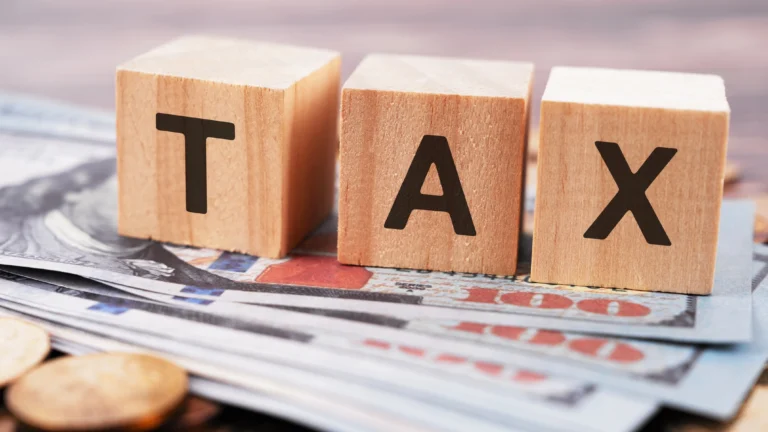
Alan Milburn revealed the truth about one of Britain’s most fraudulent small taxes.
His NEETS report says we should be ‘honest about what the Apprenticeship Levy is, which is a payroll tax. It is not a hypothecated tax and it is not ringfenced for apprenticeships. Government sets an apprenticeship budget, which is generally lower than the receipts it receives from Levy payments by employers. Central government keeps a top slice of what employers collectively pay. In 2026/27 that gap is around £460 million’.
The levy is an additional 0.5% payroll tax on top of employer National Insurance. An employer pays it regardless of whether it employs any apprentices or uses apprenticeship training funds. It’s plainly an idiocy to claim one is helping employment by imposing a payroll tax whose effect is to make it more expensive to employ people
But this counterproductive tax is just one of a host of smaller taxes whose effect is to hamper or persecute particular sectors of the economy.
Taxation of banks is already foolishly high. The combined tax rate on banks is London is 46.4% versus 28.8% in Dublin and 27.9% in New York and that’s before Labour’s latest tax hike.
Take, for example, Air Passenger Duty (APD), kindly bestowed on us by the Conservatives in 1994. Since then, long-haul APD tax rates have risen by roughly 950% in economy and 2,400% in premium classes. It is the largest and highest aviation tax of its type in the world and Labour are continuing to increase it. As an island nation we are particularly reliant on air transport and this tax is therefore especially foolish.
Analysis by PwC found that removing APD would reduce air travel costs, leading to increased passenger demand, improved international connectivity and greater aviation activity and a consequent gain of around 0.1% in the level of GDP. Their modelling showed that while scrapping APD would result in its revenues being lost, this would be more than offset by increases in other tax revenue.
And then there is the landfill tax, which should really be known as the Fly Tipper’s Charter. The cost of the waste crime encouraged by the tax is some £900m to £1bn, double the net amount raised by the tax.
The Aggregates Levy directly increases the cost of construction materials and subsequently the cost of infrastructure delivery. A project involving the removal of 1 million tonnes of aggregate from a borrow pit will add a £2 million aggregates levy charge to the project cost. The absurdly high costs of new infrastructure are a major barrier to economic growth in Britain. We should make infrastructure less expensive by removing this tax.
Taxing banks more heavily than other companies makes no economic sense, yet we have a bank levy and a bank corporation tax surcharge, which Labour have just increased supposedly on a ‘temporary’ basis. (There’s a long history of so-called temporary taxes in Britain, including the temporary income tax started in 1842 and renewed on a temporary basis in every Finance Act since).
Taxation of banks is already foolishly high. The combined tax rate on banks is London is 46.4% versus 28.8% in Dublin and 27.9% in New York and that’s before Labour’s latest tax hike. In reality bank taxes are transferred to bank services & customers, resulting in increased costs across the broader economy. Moreover it makes no sense to try and push one of Britain’s most successful industries out of the country.
Packaging taxes are another recent ploy to grab cash from the pockets of consumers. Firstly there is the packaging Extended Producer Responsibility (pEPR) which the Bank of England identified as one of the reasons UK food inflation was outstripping that in the EU & estimated that pEPR could add a little over 0.5 percentage points to the level of food prices.
The tax will increase the cost of every glass bottle or jar sold in a supermarket by 12p and the cost of plastic containers by up to 6p and poses a direct threat to thousands of jobs in the glass industry. A supply chain of 120,000 jobs is at risk. The UK produces about 3.5m to 4m tonnes of glass annually and the sector contributes over £2bn to the economy.
Labour recently backtracked on some aspects of this tax under union pressure, for example, providing exemptions to the hospitality industry on the glass bottles they use. However glass sold through supermarkets and ordinary retailers remains subject to the scheme.
In addition to pEPR we have the Plastic Packaging Tax – introduced by the Tories in 2022 at a rate of £200 per tonne and since hiked twice by the Tories and twice by Labour such that it now sits at £228.82 per tonne. It raises packaging costs for manufacturers and importers, creates significant compliance and record-keeping burdens, distorts production decisions around the arbitrary 30% recycled-content threshold, and can force firms to use more expensive or less technically suitable recycled material. The cost of the tax is, of course, passed on to consumers.
Let’s not forget the Digital Services Tax, (DST), levied largely on US tech firms. The cost of the tax is passed through to UK businesses and consumers. For example, when the tax came into force, Google immediately added a 2% surcharge to advertising invoices for UK advertisers. The other tech firms affected implemented similar charges.
A recent investigation by the Tax Foundation found that the DST reduces annual GDP by an estimated £903 million, compared with £808 million in tax revenue collected in 2024/25. It is also a major source of friction with the US.
A common feature of all these taxes is that they try to raise revenue to feed the state machine without the tax being directly imposed on individuals. The idea is that people won’t notice or will think that some business is paying the tax rather than themselves. Of course all of these taxes are ultimately borne by individuals. Many result in significant increases in consumer prices. Each of them causes major economic distortions and several have a negative overall effect on the public finances. All of them should be swept away.

Andy Burnham’s much-promised strong and decisive leadership has been long on vibes, short on action during his first 100 days. With one telling exception. He has stuck to his guns about what the nation should call white bread rolls. Namely, ‘barm cakes’, as they do in his new constituency of Makerfield. In doing so, he’s […]
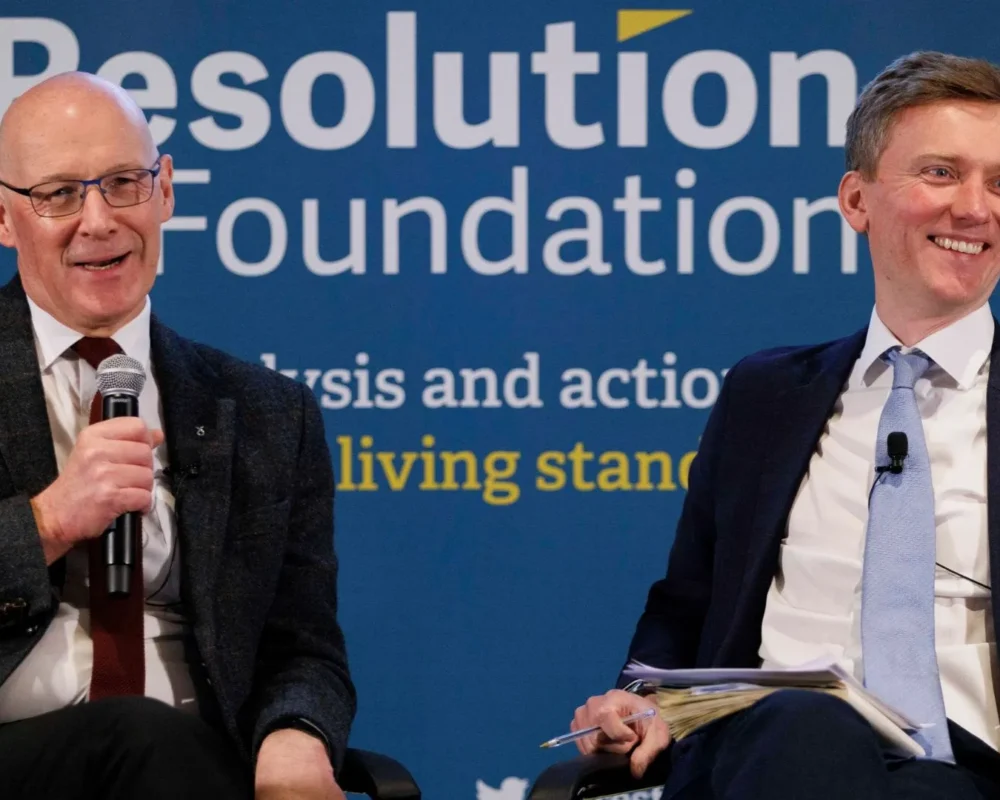
The problem with being a political golden boy like Labour pensions minister Torsten Bell is that it paints a target on your back, putting you firmly in the crosshairs of rivals and commentators in your own party and the opposition every time you do or say anything at all. Kudos, then, to the man widely […]
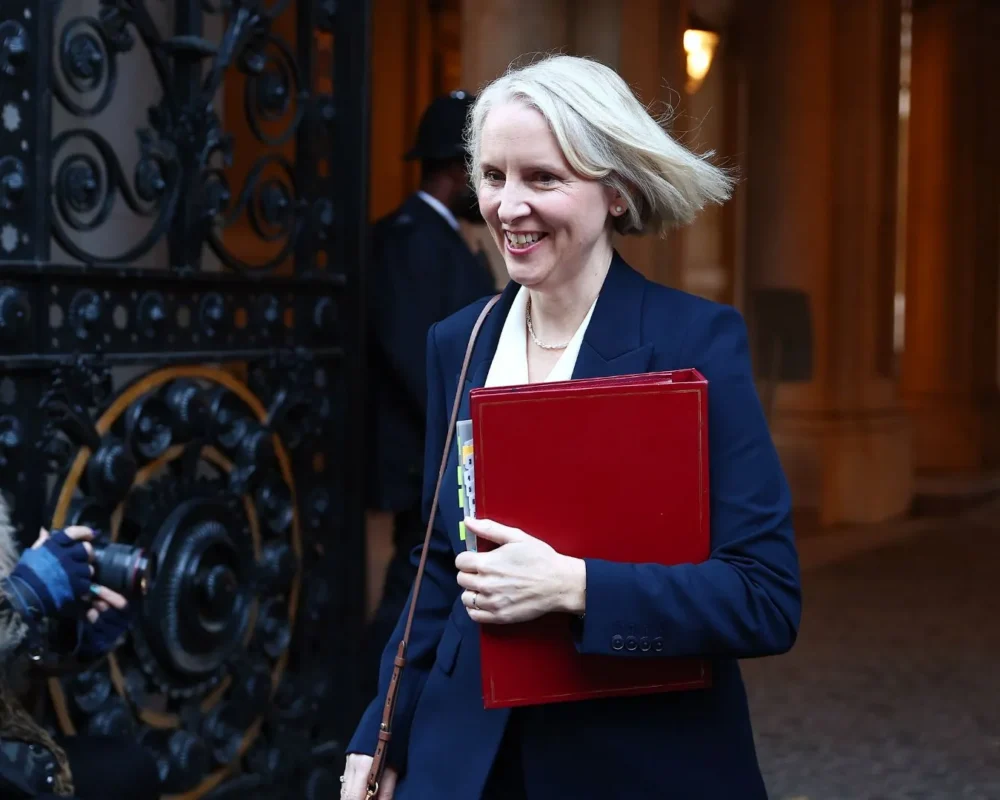
Emma Reynolds, the Chief Secretary to the Treasury, is one of the more sensible Labour MPs. She resigned as a front bencher when Jeremy Corbyn was elected leader and is firmly in the moderate wing of the Labour Party. Which is why her comment yesterday that ‘I don’t think employers are working people’ is all […]