The perils of affordability politics
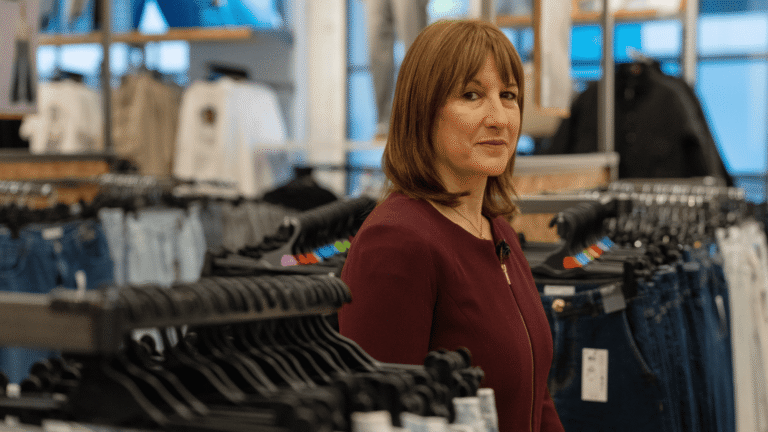
Photo by Carl Court/Getty Images
Labour is leaning hard into ‘affordability politics’. Ministers don’t use the phrase, but the governing theme is clear enough: promise to ‘cut the cost of living’ by fiddling with headline prices. We’ve had pledges to ban ticket resale for profit, freeze regulated rail fares, cap prescription charges and give tenants new powers to challenge rent hikes in the Renters Reform Bill. The Prime Minister boasts new measures that will supposedly save families £500 a year on baby formula. On top of that comes another chunky rise in the minimum wage.
Progressives consider all this good politics. In the US, Zohran Mamdani won the New York mayoralty pledging rent freezes, free buses and government-run grocery stores. Here, the IPPR think tank urged Labour to emulate Australia’s ‘war on bills’, arguing that disquiet with the cost of living is structural and won’t fade. It sounds ruthlessly focused on what voters say they care most about. But I think, ultimately, it’s both a political mistake as well as an economic one.
Start with the politics. When people complain about the ‘cost of living’, they are not primarily furious about Taylor Swift tickets or a particular rail fare. They are angry that the general price level jumped and never came back down due to the recent high inflation. Between August 2020 and August 2025, consumer prices rose by about 28% – more than three times the increase in the preceding five years.
If inflation had sat obediently on the Bank of England’s 2% target, the price level today would be just over 10% higher than in 2020, not close to 30%. In other words, prices are something like 18 percentage points higher than people expected. That is the source of the political rage.
Freezing rail fares or prescription charges may slow the rise of a couple of administratively set prices. It does not reverse the big jump in the price level. Nor does a baby formula marketing crackdown or a ban on ticket tout markups deliver some cost-of-living time machine back to pre-Covid prices. At best, all these policies change relative prices. The complaint on the doorstep is that ‘everything’s got more expensive’. It is about the average, not some outliers.
Here, a basic monetarist point matters. Inflation is a macroeconomic phenomenon, born of too much money chasing the available supply of goods and services. After the pandemic, extremely loose monetary and fiscal policy collided with supply disruptions from Covid, the Ukraine war and Brexit. This explained why the price level jumped. It’s nothing to do with which brands of powdered milk can sit beside each other on the supermarket shelf.
Hold down a few individual prices by decree while leaving overall spending and productive capacity unchanged and you don’t magic away inflation; you just force demand up into other sectors with leftover funds, so driving up prices there, while getting shortages and queues in the controlled ones.
The only way to get back to 2019 prices in general would be deliberate deflation: running monetary policy so tight that nominal wages and prices fall across the economy. That sounds attractive right up to the moment you remember that debts are fixed in cash terms. Push down the price level and you raise the real burden of every mortgage and loan. That is a recipe for defaults and unemployment, not winning politics.
Thus, I highly doubt the IPPR’s argument that ‘showing you care’ through some marginal measures will assuage voters’ annoyance. But the economics is dodgy too.
Take infant formula. Keir Starmer’s headline-grabbing claim that parents will save up to £500 a year stems from implementing Competition and Markets Authority recommendations on supermarket layout, labelling and allowing voucher use, ensuring parents access cheaper brands. As consumer information policy, it’s interventionist, but… fine. I suspect savings from trading down will be modest relative to overall living costs. And it is rich for government to posture as the parents’ champion on formula prices after years of advertising restrictions and rules against promotions for powdered milk.
Banning ticket resales above face value is more obviously damaging. The ability to resell at a profit is a device for allocating scarce seats to those who value them most highly. Kill that margin and you don’t abolish scarcity; you shuffle who captures the rents. If touts can’t earn the spread, artists and promoters will just raise face values. Or the trade will move to the black market. Or we get non-price rationing via fan-club lotteries, loyalty schemes and opaque pre-sales. The anger will move from ‘greedy touts’ to ‘greedy promoters’.
Rent policy is where the ‘war on bills’ instinct is genuinely dangerous. Labour’s Renters Reform agenda strengthens tenants’ rights to challenge rent levels at tribunals. International evidence from genuine rent controls is not ambiguous. Binding controls reduce the supply of rental housing, cut new construction and degrade quality. Making being a landlord riskier and less remunerative has the same directional effect. You get fewer, shabbier rentals and a worse deal for the very mobile, younger workers who benefit from a large rental supply.
Put all this together and the pattern is clear. Affordability politics can’t fix what voters are actually angry about. But it will bring new microeconomic inefficiencies: shortages, reduced investment, worsening quality and endless rent-seeking as every lobby starts demanding a frozen bill or a ‘fair’ cap.
That does not mean there is nothing worth doing to help with living costs. On the contrary, there is a serious, grown-up agenda here. In earlier work on cost-of-living reform I’ve argued for planning liberalisation to get more houses built; loosening childcare and occupational regulation; liberalising energy markets; scrapping tariffs and ‘buy British’ rules; and stripping back the rules and delays that make transport infrastructure so ruinously expensive. These are hard, unglamorous reforms. But they give you a double dividend: lower relative prices for key goods and services, and a more productive economy overall.
That, sadly, is not what we are being offered. The real peril of ‘affordability politics’ is that once politicians promise they can meaningfully cut the cost of living after an inflation shock, they will then reach for faster-acting tools: price controls, subsidies, and directed credit. We know how that movie ends: queues, black markets, corruption and stagnation, followed by furious attempts to blame ‘greed’ rather than the policy design.
If parties of the Right are tempted to mimic Labour’s approach, they should resist. Promise instead a state that allows Britain to produce more – and let well-functioning prices do their job. And next time a recession hits, perhaps resist the urge to combine huge fiscal giveaways with ultra-loose money. That, not one-off factors or malevolent actors, is what caused the discontent we now see.
During the 1979 general election campaign, Margaret Thatcher famously said: ‘I can’t bear Britain in decline. I just can’t.’ If you’re a seasoned research professional who shares that sentiment, and who wants to fight for a high-growth, low-tax, small-state Britain built on personal and economic freedom, then I have just the job opening for you. […]

The EU was born to ‘screw’ the US. That’s what Donald Trump told reporters in 2025: ‘That’s the purpose of it, and they’ve done a good job of it. But now I’m president.’ But that wasn’t always the United States’s view of the EU. As historian Andrew Roberts wrote, the American State Department ‘enthusiastically signed […]
I’m 23. Like many of my friends, I endured the British education system all the way to university: GCSEs, A levels and then an undergraduate degree. Now, with little opportunity to progress in the small town we grew up in, those same friends are now looking to move to a city for work. For some, […]