Labour’s complacency will drive us to blackouts

27 March 2026

Photo: Getty Images
Amid war in the Middle East and a country faltering thanks to years of failed policies, a deeply unpopular Prime Minister insisted that Britain had strong energy security, despite warnings from experts that blackouts were a very real possibility.
In October 1973, the Organisation of the Petroleum Exporting Countries (OPEC) announced an oil embargo that sent prices skyrocketing. Nations across the western world were hit hard: in some countries, petrol was rationed, driving was banned on Sundays, and further restrictions were imposed on the hours businesses could operate.
In Britain, Prime Minister Edward Heath introduced a three-day working week, rotating power cuts and limited the hours shops and offices could open for. People lost jobs, businesses lost revenue and millions across the country were forced to use candles to light their homes. Though strikes by miners were undoubtedly a significant factor in the severity of our crisis, the winter of 1973-74 highlighted the precariousness of Britain’s energy supply.
The episode once more proved that energy is everything. It demonstrated that energy is the foundation of the modern economy. Without energy, almost every industry struggles to operate – in fact, abundant energy made the Industrial Revolution and modern civilisation possible. Without it, society would be unrecognisable: transportation would be largely halted, homes would not be heated, lights would go out and much of the population would be unable to work or enjoy their lives.
Today, another unpopular Prime Minister faces an energy system under acute strain. The situation is bleak: we could be mere weeks away from power cuts, as our reliance on imported oil and gas has once again been laid bare. The risk of shortages are now so severe that there are warnings that Britain may soon follow governments across Asia, who have already imposed emergency demand-side restrictions to manage shortages. In fact, international agencies are already supporting measures such as working from home, reducing speed limits, and limiting when cars can drive.
Once again, the warning signals are getting louder and louder. Yet still, despite the cascading crisis, the Government exudes an uncomfortable complacency. It claims that Britain has one of the most reliable energy systems in the world, and rather than focusing on building an alternative to imported gas, it has continued the failed ideas that left the country so exposed when Russia invaded Ukraine in 2022.
Indeed, Britain’s weak energy security is far from just this Government’s failings – successive governments chose to depend upon imports, and therefore engineered our vulnerability to external events. Rather than taking the decisions necessary to protect Britain’s energy supply and keep bills low, our politicians have allowed the consultants, lawyers and lobbyists to throw up barrier after barrier to domestic energy production.
For decades, a labyrinth of reviews, consultations, legal challenges and paperwork has burdened our energy sector, making it more expensive and time-consuming to build infrastructure. Worse still, we’ve actively chosen to increase our fragility to international shocks in recent years. British North Sea oil wasn’t replaced by another stable power source and Rough – the UK’s largest gas storage facility – was decommissioned in 2017 (though it then reopened at a third of its previous capacity five years later). In short, our politicians actively pursued policies that left the entire country with minimal insurance against disruptions.
But it didn’t have to be this way. It doesn’t inherently cost five times more to build a nuclear reactor in the UK than South Korea, nor did we have to reduce our gas reserves. Hinkley Point C is not inevitably the most expensive nuclear power plant ever constructed, and it didn’t have to be the first one Britain has built this century. The choices of our politicians over many years are responsible for this.
Just like the winter of 1973-74, today’s crisis is not solely that of energy. Rather, it is a crisis of complacency, of assumptions and of a political class that are too incompetent or unwilling to face the hard truths. There will be shocks, shortages and wars. The job of the Government is to be prepared for those shocks, not to live so close to the edge that any interruption threatens the lives of millions at home.
There is still time for this Government to avert disaster, but it will require a change in attitudes and direction. There isn’t the time for yet more consultations or meetings about meetings; securing Britain’s energy supply is now an emergency.
A solution requires something very rare in modern British politics: a vision, a plan and the leadership to deliver it. Tough decisions that save Britain from blackouts will not win the Government headlines or turn its electoral fortunes around. But this is about ensuring that essential services continue to run, and people can continue to feed their families. The alternative – an energy rationing, demand-side set of interventions – has far worse and further-reaching consequences. We have sleepwalked into crises before, claiming that we were prepared. It doesn’t have to happen again.
It is clear today that Britain’s energy security is weak. The Government must finally take this seriously, and stop the lights going out.

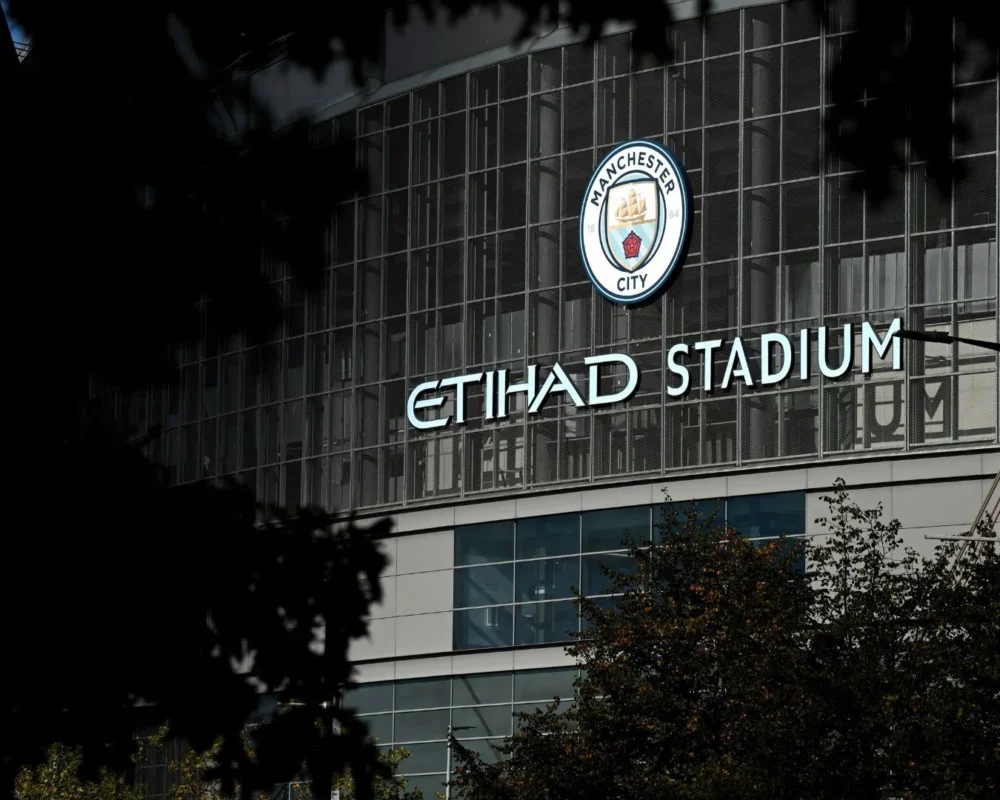
The Manchester City scandal drags on. Tax Policy Associates now argues, based on the Premier League commission’s findings and leaked documents, that the club may have failed to pay some £12 million in income tax and NICs due on the pay of Roberto Mancini, who managed the club from 2009 to 2013. City, which denies […]

Britain is looking for the effects of artificial intelligence in all the obvious places: redundancies, vacancies and unemployment numbers. So far, there is little evidence of dramatic change in overall headcount. The Office for National Statistics reports that most British businesses using AI have not changed the size of their workforce, even as AI adoption […]
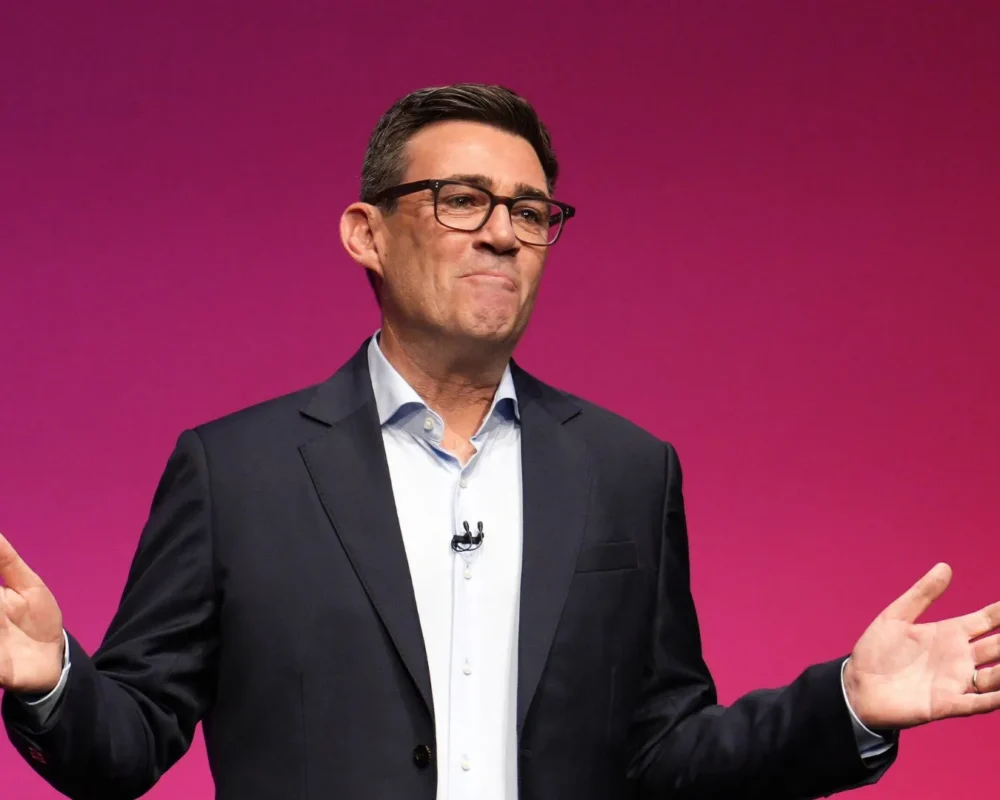
Andy Burnham used the Labour Party conference in Liverpool this week to commit the Government to a National Care Service, universal and free at the point of use, while promising to ‘stick to our fiscal rules to get borrowing and debt down’. The service is due in the next Parliament and is supposed to be […]