Iran’s revolution needs more than US missiles
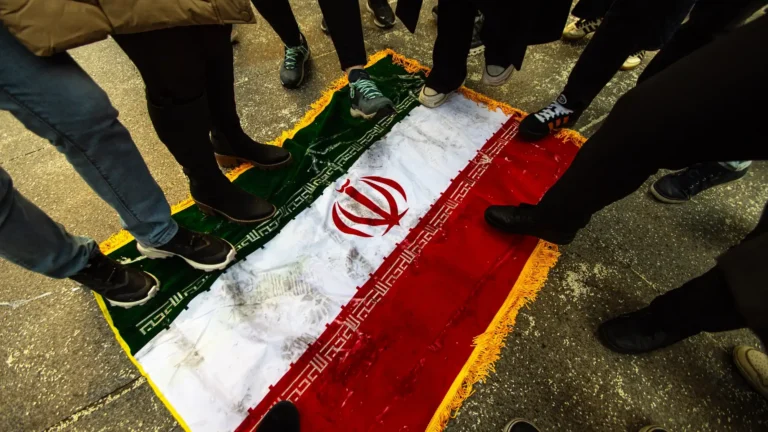
Photo: Francesco Militello Mirto/NurPhoto via Getty Images
The footage emerging from Iran – scant as it is, due to the regime’s imposed blackout on communications – is gut-wrenching. Security forces firing on unarmed protesters; rows of black bodybags, with screaming relatives scouring morgues for loved ones. As violence to suppress the protests escalates and with the death toll reportedly having surpassed 500 people, Iranians are wondering; would the Americans finally intervene?
Donald Trump has warned that the regime would be ‘hit very hard’ if protesters die. Last night, he renewed his threat that the US might intervene. As ever, predicting Trump’s next move is impossible. The US and Israel have been weighing up options, though for Israel, overt military strikes appear low priority.
The Islamic Republic claims the US and Israel are behind the protests, despite having no evidence of this and the protests bearing all the hallmarks of a grassroots movement. For the mullahs, blaming external enemies has always been the preferred route. Therefore, if attacked by the US, Iran might retaliate by launching an attack on Israel – an eventuality Israel is now preparing for.
The key questions are these. What would an American intervention look like? What would Trump aim to achieve – and what could be achieved?
A hypothetical US military strike would likely be limited and precision-guided to minimise escalation while signalling deterrence. An operation might involve airstrikes or cruise missiles launched from naval assets in the Persian Gulf or regional bases, targeting key symbols of regime oppression. Potential targets could include Islamic Revolutionary Guard Corps (IRGC) facilities involved in protest suppression, such as command centres or detention sites linked to human rights abuses, rather than broader nuclear or economic infrastructure. It may also include cyber operations to disrupt communication among security forces, further straining the regime’s grip.
Expected outcomes would include short-term regime destabilisation, potentially emboldening protesters by exposing vulnerabilities in Iran’s security apparatus. But it would also risk Iranian retaliation through proxies like Hezbollah or direct missile strikes on US interests in the region. If Iran attacks Israel, it could lead to Israeli strikes and ignite a war that will distract from the protests. It is doubtful that Iran wants another war with Israel, but it would risk one if cornered. Worse, a US strike could validate the regime’s narrative of foreign meddling, rallying nationalists.
Successful revolutions are rare because they are extraordinarily difficult, requiring specific conditions beyond mass protests. A primary condition is that a government becomes unable to suppress uprisings, yet Iran has escalated violence against protesters, with loyal security forces obeying orders to fire on civilians.
Another prerequisite is the existence of a viable alternative to the current government. The Ayatollahs have made sure that no such alternative exists. When they seized power in 1979, the regime executed anyone perceived to be an enemy, including political rivals and left-wing activists. It has spent the last 46 years ruthlessly suppressing any sign of dissent. Even if the army and security forces decide to defect, in the absence of a ready alternative, Iran’s theocracy could very well morph into a military dictatorship.
While Iranians yearn for American intervention – and although the brutal massacre of hundreds of brave Iranian protesters makes it a tempting option – it may prove counterproductive. Interventions like the 2003 Iraq invasion or Libya’s in 2011 show that upheaval can create power vacuums that lead to chaos, not democracy. If the West seeks to support a revolution yielding stable democratic rule, it may want to focus instead on non-kinetic strategies. This could include targeted sanctions on IRGC, isolating the regime, covert support for civil society and, most crucially, nurturing an organised opposition ready to assume power. Western powers could also offer incentives for high-level defectors from the military and security apparatus. Guarantees of amnesty or roles in a transitional government could convince them to switch sides.
Rather than risk the chaos of foreign intervention, the West’s most effective role is to quietly build the conditions for Iranians to reclaim their own future.
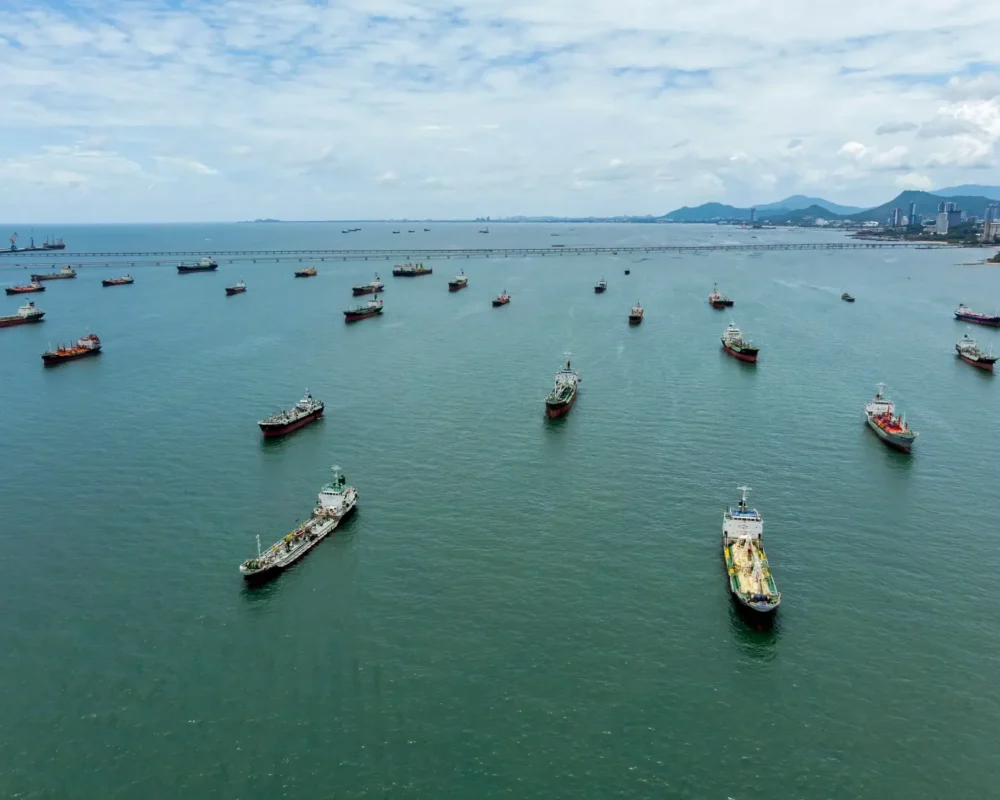
Hormuz has been front-page news for a month. The oil price has been reported, the tanker attacks recorded and the reserve releases announced. What has not been explained is why none of those responses have moved much oil. Oil does not simply flow through Hormuz, as it relies on a surprisingly large and complex web […]
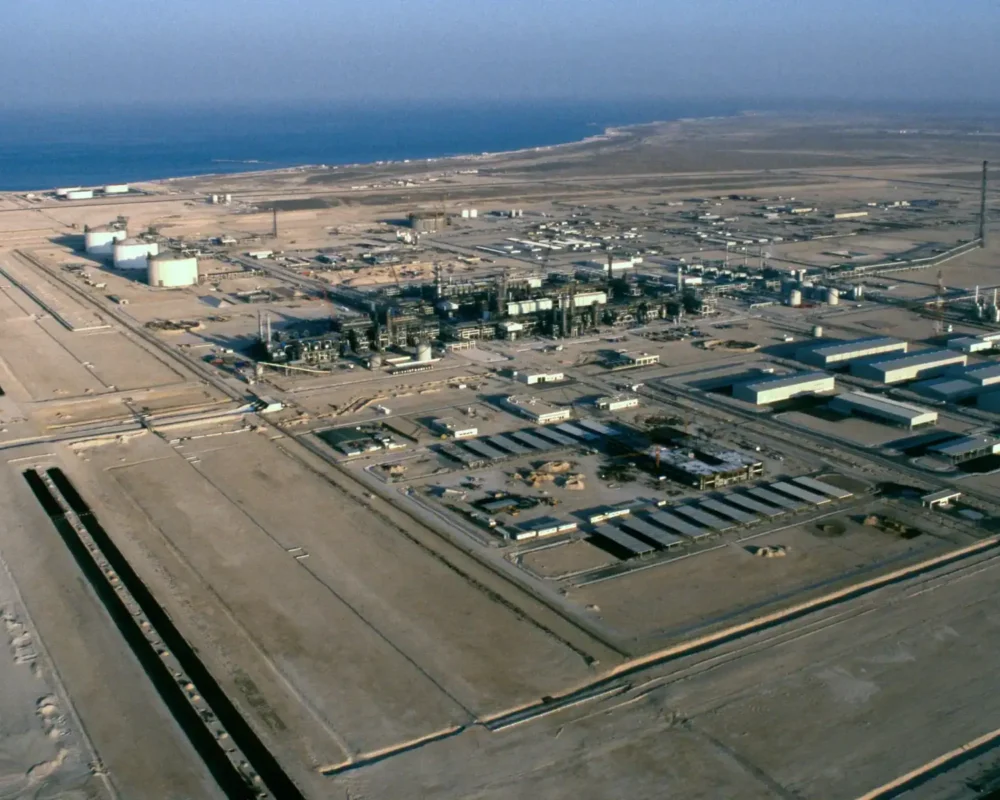
Iran’s strike on Ras Laffan this week was not just an attack on Qatar, but on one of the most important energy hubs on the planet. In this extract from his book ‘Material World’, Ed Conway explains why this vast LNG complex matters so much – and why damage there could reverberate through gas markets, […]
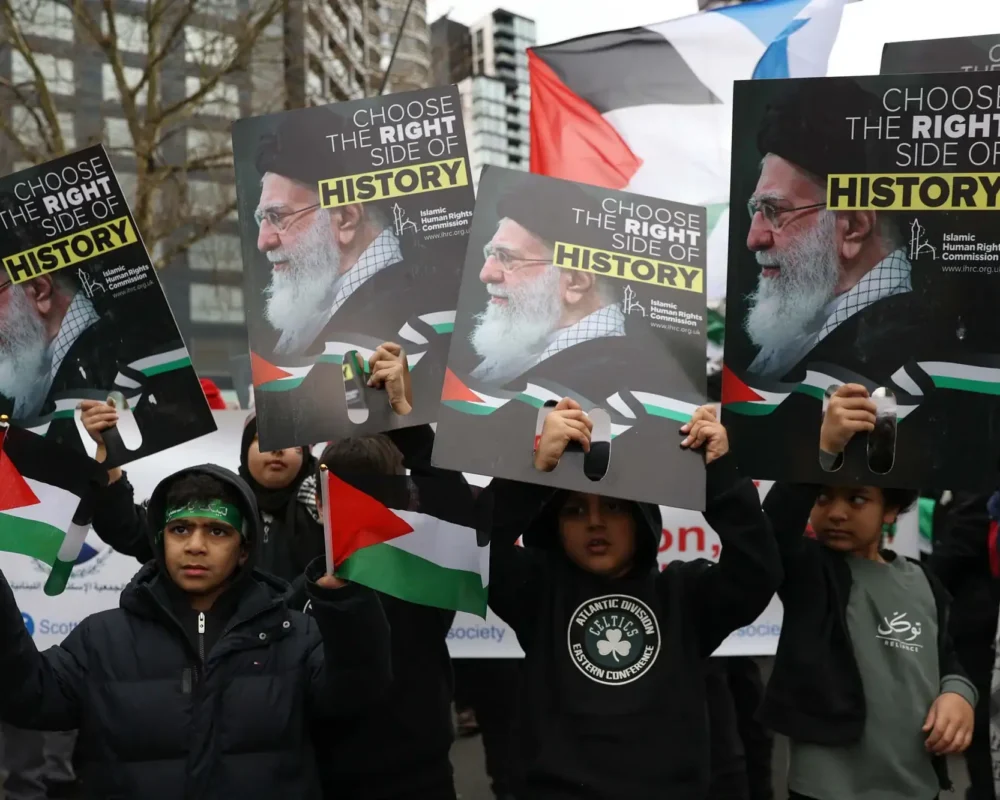
The war in Iran continues, and Donald Trump is trying to avoid an enduring oil shock by assembling an international alliance to protect the Strait of Hormuz. But as the realities on the ground play out, so too does the war of narratives. Vali Nasr, a professor at Johns Hopkins University who frequently appears on […]