Why does the Left hate Iranians?
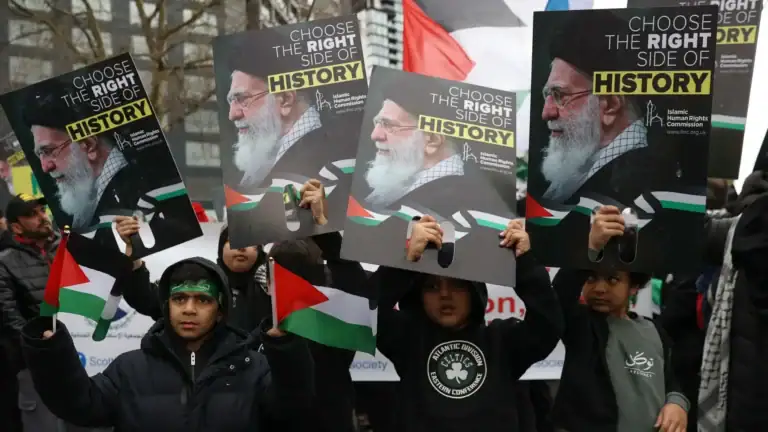
Photo: Zeynep Demir/Anadolu via Getty Images
The war in Iran continues, and Donald Trump is trying to avoid an enduring oil shock by assembling an international alliance to protect the Strait of Hormuz. But as the realities on the ground play out, so too does the war of narratives.
Vali Nasr, a professor at Johns Hopkins University who frequently appears on CNN and on Mehdi Hasan’s programme, recently claimed in an interview with Novara Media:
The Iranian diaspora really wants to be white. They don’t want to identify with the Global South. They want to belong to mainstream American and European society. So embracing Israel, embracing Zionism, opposing the Gaza war, even supporting movements like MAGA, essentially becomes a way of integrating.
Attacks on the Iranian diaspora are nothing new. The judiciary of the Islamic Republic has threatened to seize the assets of Iranians living abroad who support military action against the regime. Yet criticism is not limited to Tehran. Some Ivy League academics also appear deeply uncomfortable with the views of many Iranians abroad. One might ask: is it ‘white’ to want a normal life? Is it ‘white’ not to want to destroy Israel, or not to chant ‘Death to England’? Is it ‘white’ to oppose a regime that killed 30,000 of its own citizens?
This goes beyond rhetorical excess. It reveals a peculiar form of racism on the Left. If you are Middle Eastern, you are not permitted to criticise the Palestinian cause; you must join the struggle. You cannot admire Donald Trump – even if he eliminated your bloodthirsty dictator. Iranians have increasingly been subjected to this kind of racialised thinking, though it is often disguised by adding the word ‘diaspora’, which magically transforms prejudice into a supposedly progressive stance. Iranians, in this worldview, must behave in a particular way because they have been assigned a specific group identity. If they deviate, it is said that they ‘want to be white’.
The Left struggles with Iranian protesters because they do not fit comfortably into its narrative: that the oppressors are always Western and white, and that violence from the Global South must be explained away for ‘cultural’ reasons. Yet many Iranians have paid dearly for the Palestinian cause – in lost prosperity and lost freedom. From lived experience, many do not want their money financing groups such as Hamas. That is precisely why some on the Left dislike them even more. Iranian protesters threaten the idea that the Islamic Republic represents the last meaningful state champion of the Palestinian cause.
Indeed, the Islamic Republic has become something of a final romantic project for the radical Left. Mao Zedong’s China eventually embraced markets. Hugo Chávez’s Venezuela now sells oil to Israel. Fidel Castro’s Cuba has sought negotiations with the United States. In that context, it is perhaps unsurprising that some activists appear willing to defend the Iranian regime from collapse.
But is the Iranian diaspora really the strange and detached entity its critics claim? For much of 2026, Iranians inside the country have struggled to communicate with the outside world. A nationwide internet blackout lasting more than 16 days has severely distorted the online information environment. Regime supporters and influencers with access to unrestricted internet through special SIM cards have been able to dominate social media and international coverage, while the vast majority of ordinary Iranians have been unable to share their views.
Yet even through these restrictions, certain sentiments still emerge. Many Iranians argue that ‘a mullah is more dangerous than missiles’ and warn the international community: ‘Do not leave us with a wounded Islamic regime’. Their anger is directed not at Iran as a nation, but at the ruling system.
Both the Islamic Republic and some progressive commentators insist that the diaspora does not represent the views of Iranians inside the country. Yet viral videos repeatedly challenge that narrative. When coalition strikes hit bases belonging to the Islamic Revolutionary Guard Corps or the Basij militia, residents only a few kilometres away can often be seen filming the explosions and cheering. These reactions suggest that many ordinary Iranians clearly distinguish between their country and the regime’s military and ideological institutions.
The supposed divide between Iranians inside the country and those abroad is therefore deeply misleading. It also reflects a broader misunderstanding of Iranian political history among many anti-Israel commentators. Iran’s history did not begin with the Islamic Republic. Before the 1979 revolution, Iran experienced a different political era under the Shah. Today his son, Reza Pahlavi, has emerged as the most visible opposition figure and enjoys support both among the diaspora and within Iran itself. During the monarchy, Iran’s relations with Israel were largely pragmatic and driven by national interests rather than ideological confrontation.
‘Wannabe whites,’ ‘warmongers,’ ‘traitors’ – call the Iranian diaspora whatever you like. Wanting a normal life is not a sin. And if you want to identify the real warmonger, look more closely. The regime that took American embassy staff hostage during the Iran hostage crisis, killed American soldiers with roadside bombs in Iraq, attacked the British Embassy in Tehran, and financed and celebrated the October 7 Hamas attack on Israel – that is the warmonger.
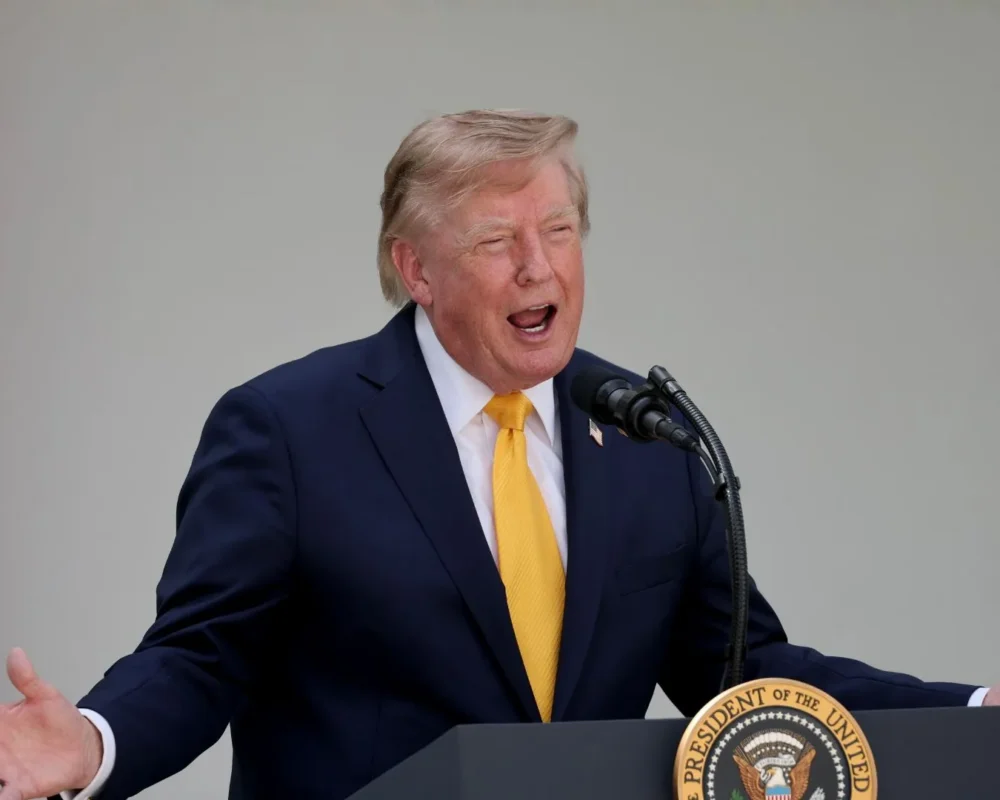
President Trump’s imposition of ‘economic D-Day’ against Iran – a series of sanctions against any nation dealing financially with Iran, as well as banks and businesses – has already been dismissed by the usual suspects whose knee jerk response is always to attack any new measures against the Tehran regime. When it comes to Iran, […]
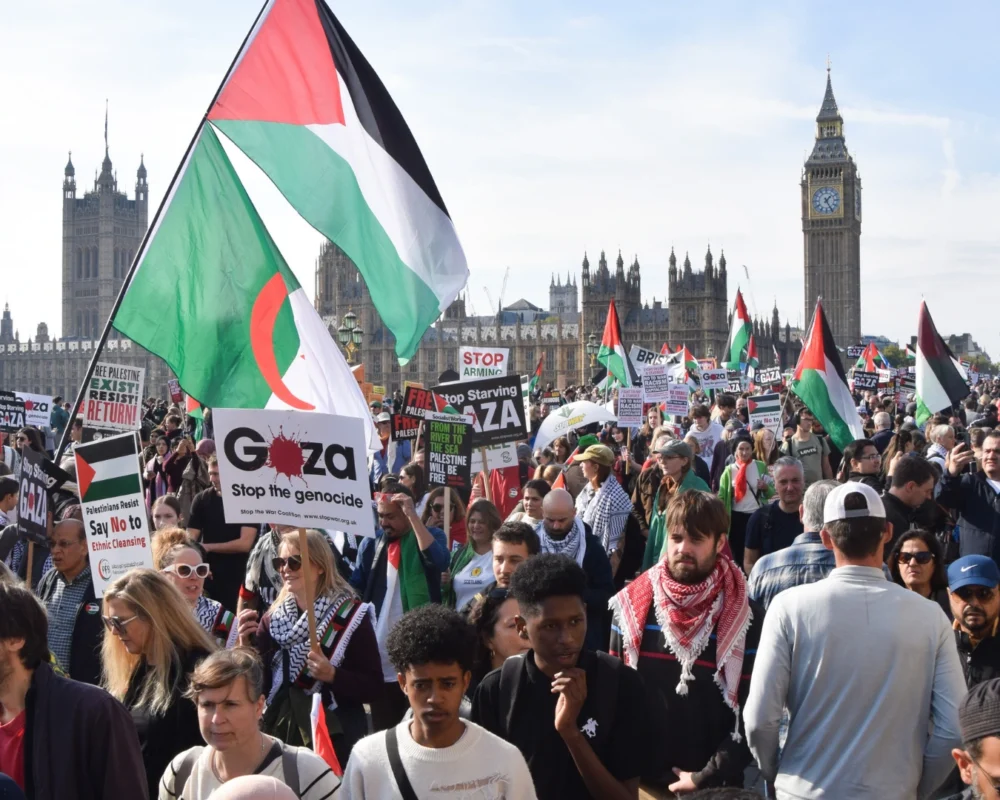
Last week, the Community Security Trust’s (CST) report covering incidents between January and June 2026 showed alarming results. The unprecedented wave of antisemitism that started on October 7, 2023, when Hamas massacred and kidnapped over 1,200 people in Israel, shows no sign of easing. On the contrary. The 1,926 incidents recorded represent a 21% rise […]
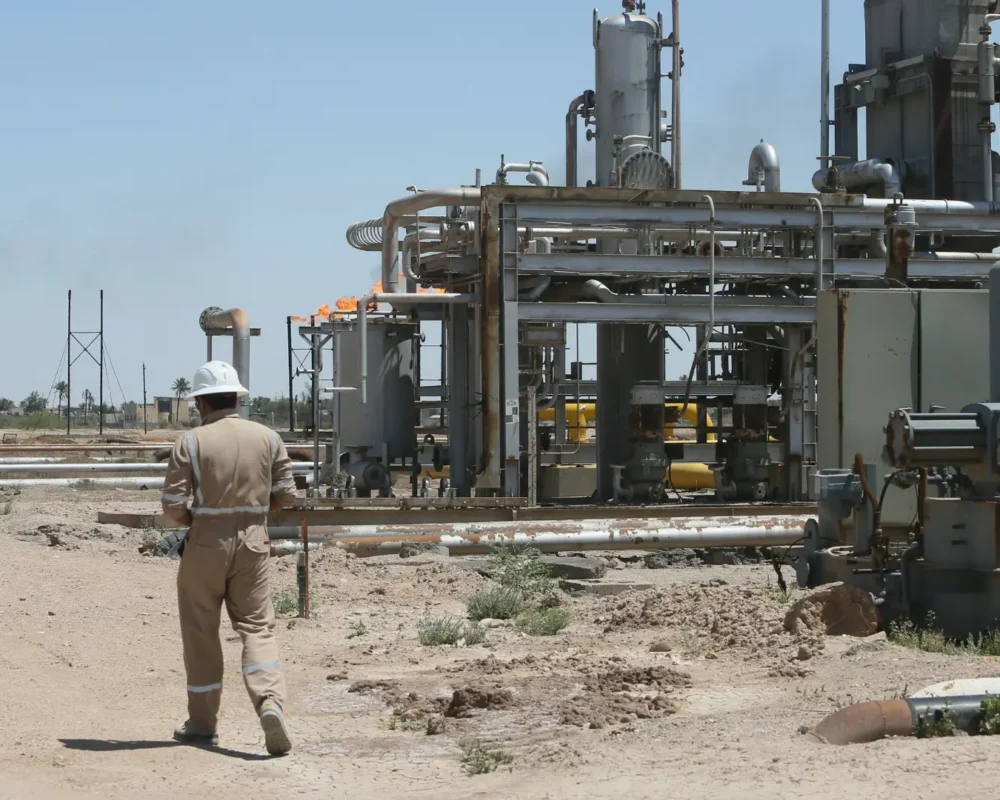
The Iran war has created the largest supply disruption in the history of the oil market, beating the shocks of the 1970s and the war in Ukraine. Whatever happens with Donald Trump and the Strait of Hormuz, the Middle East oil industry cannot afford to be this exposed again. The Gulf has the money and […]