How Britain can help to cripple Iranian tyranny
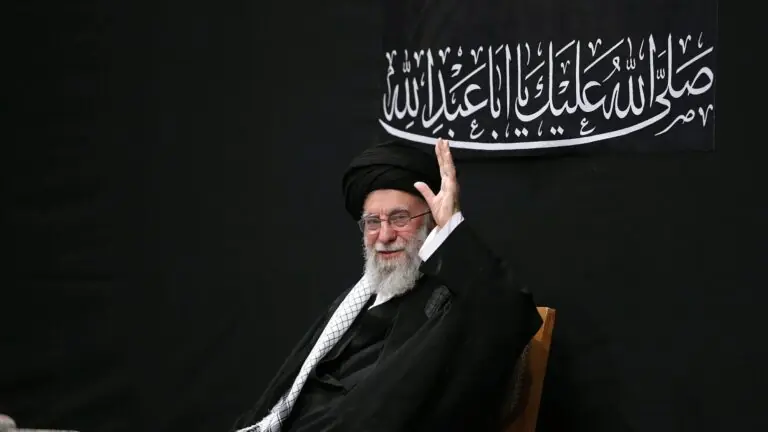
Photo: Office of the Supreme Leader of Iran via Getty Images
As someone who has spent a decade presiding over the Mother of Parliaments, I am acutely aware of the value of liberty, democracy and the rule of law. These are values too often taken for granted in established democracies but denied to millions who yearn for them. Among the most tragic examples is Iran, where an oppressive theocracy has suffocated its people for more than four decades. And the issue is not solely a moral one. Iran has evolved into a major national security concern, even posing a terrorism threat on our own soil.
Signs of dissent within Iran are growing, but after forty years of this regime some sceptics question whether meaningful change is possible. Yet repression is not a sign of strength. On the contrary, dictators rule with an iron fist precisely because they are weak. They kill, torture and silence dissent because they fear the potential of their own people. Iran today is a country on its knees: its economy is in freefall, its public services collapsed, and even basic necessities like water supply are unreliable. The clerical regime clings to power not through competence, but through cruelty.
I recently had the privilege of addressing tens of thousands of Iranians who converged on Brussels from across Europe. One could feel the growing hope and optimism in the air. They realised the regime was never weaker and their dream of going back to a free and democratic Iran never closer. Their presence was a powerful reminder that the cause of Iranian freedom is not confined within the country’s borders. It is a global movement, rooted in the courage of the Iranian people themselves and inspired by the vision of Maryam Rajavi, the President-elect of the democratic coalition of opposition, National Council of Resistance of Iran (NCRI).
The NCRI and its main constituent, the People’s Mojahedin Organization of Iran (MEK), have been the backbone of resistance to tyranny in Iran for decades. Their members and supporters have endured torture, imprisonment and execution. Yet despite decades of brutality from both the Shah’s regime (which ruled Iran with an iron fist and secret police) and mullahs, they have refused to surrender their dream of a democratic, secular and just republic.
Against this bleak backdrop, there are those who argue that Britain and Europe have only two options: to accommodate the mullahs in the hope of buying time, or to consider foreign military intervention. This is a bogus dilemma. Appeasement has failed repeatedly, emboldening the regime to expand its nuclear programme and export terrorism. War, meanwhile, will not bring the desired result either.
There is, however, a third option. It is the path articulated by Maryam Rajavi and embraced by the democratic opposition: regime change by the Iranian people and their organised resistance. It is neither naïve nor utopian. It is grounded in the waves of uprisings in recent years, indicating the population’s total rejection of the status quo and the courage of the Resistance Units inside Iran, who keep alive the spirit of defiance despite the regime’s every effort to crush them. It is embodied in Rajavi’s Ten-Point Plan, which calls for free elections, gender equality, the separation of religion and state, abolition of the death penalty and a non-nuclear Iran that lives in peace with its neighbours.
For British policymakers, the implications are clear. We must stop inadvertently legitimising a regime that survives only through fear and violence. Instead, we should:
Some in the West may ask, ‘But what is the alternative?’ The answer is simple: the alternative is already here. It is not a return to monarchy. It is not a playboy prince, like Reza Pahlavi, waiting in the wings. It is a movement that has endured six decades of struggle, led by a woman who has given her life to the cause of freedom.
I have no illusions about the challenge ahead. The regime will not fall tomorrow. But history teaches us that oppressive systems collapse suddenly after appearing immovable for years.
The struggle of the Iranian people is not only for themselves but for the cause of democracy everywhere. When tyranny falls in Tehran, it will not only liberate 85 million Iranians but also strike a blow for justice and peace across the globe.
Britain must be on the right side of history. No to appeasement. No to war. Yes to freedom. Yes to the Iranian people. Yes to the democratic resistance led by Maryam Rajavi.
The day will come when Iranians celebrate their freedom in Tehran. And on that day, the world will rejoice with them.
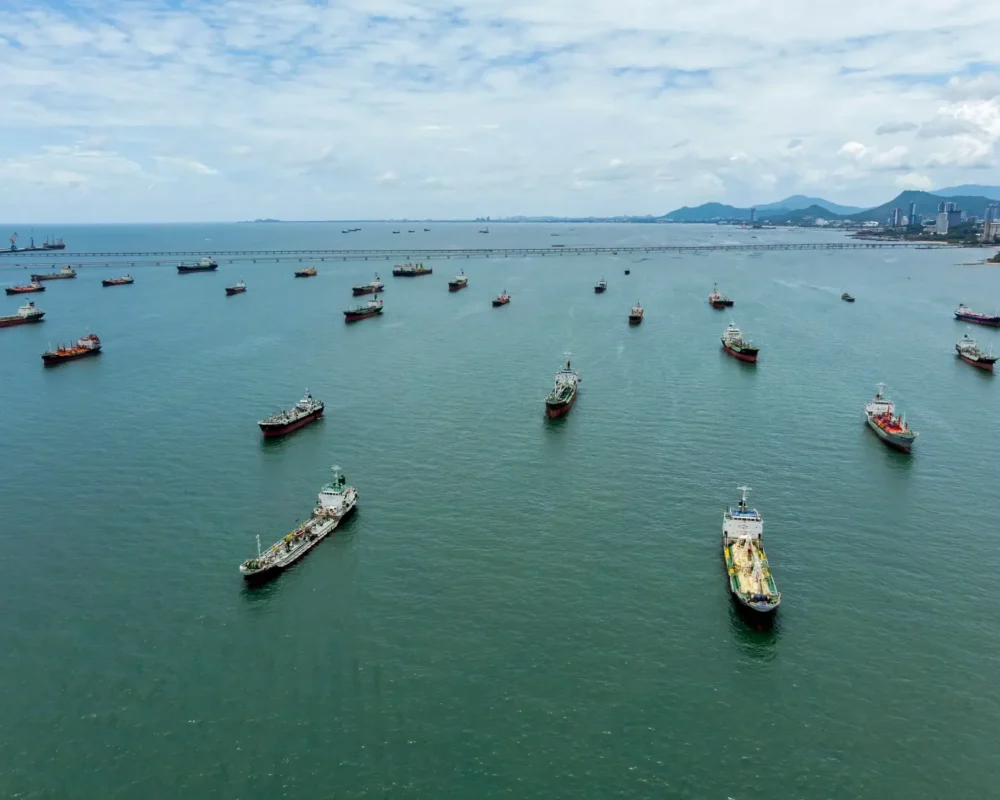
Hormuz has been front-page news for a month. The oil price has been reported, the tanker attacks recorded and the reserve releases announced. What has not been explained is why none of those responses have moved much oil. Oil does not simply flow through Hormuz, as it relies on a surprisingly large and complex web […]
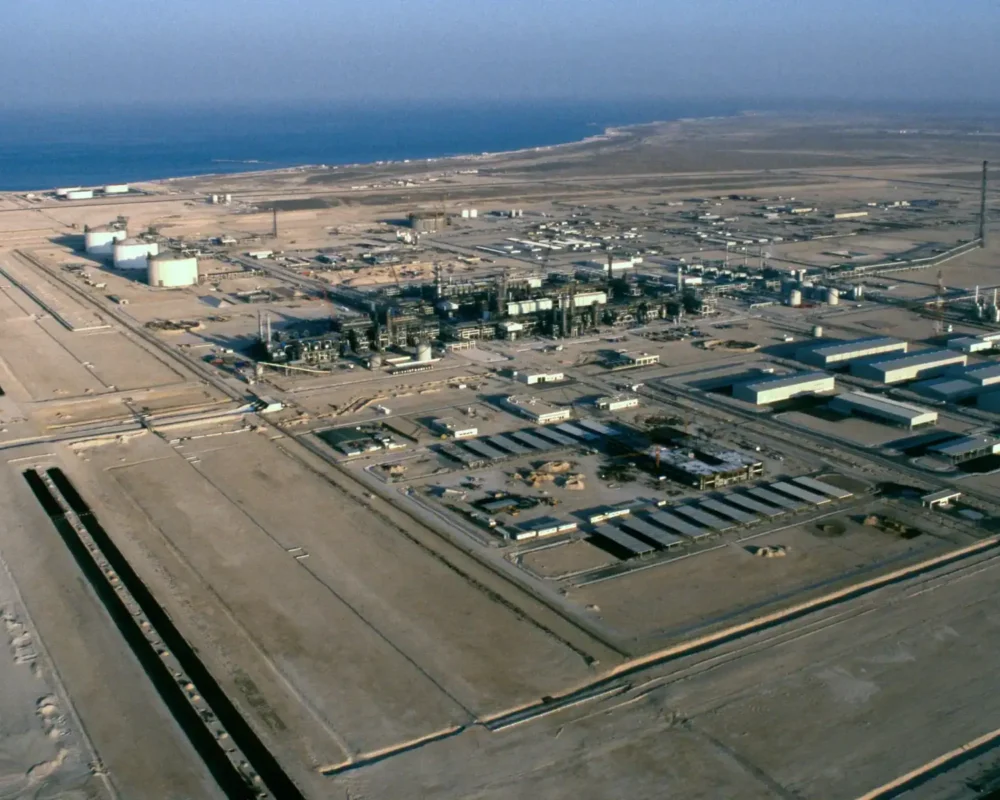
Iran’s strike on Ras Laffan this week was not just an attack on Qatar, but on one of the most important energy hubs on the planet. In this extract from his book ‘Material World’, Ed Conway explains why this vast LNG complex matters so much – and why damage there could reverberate through gas markets, […]
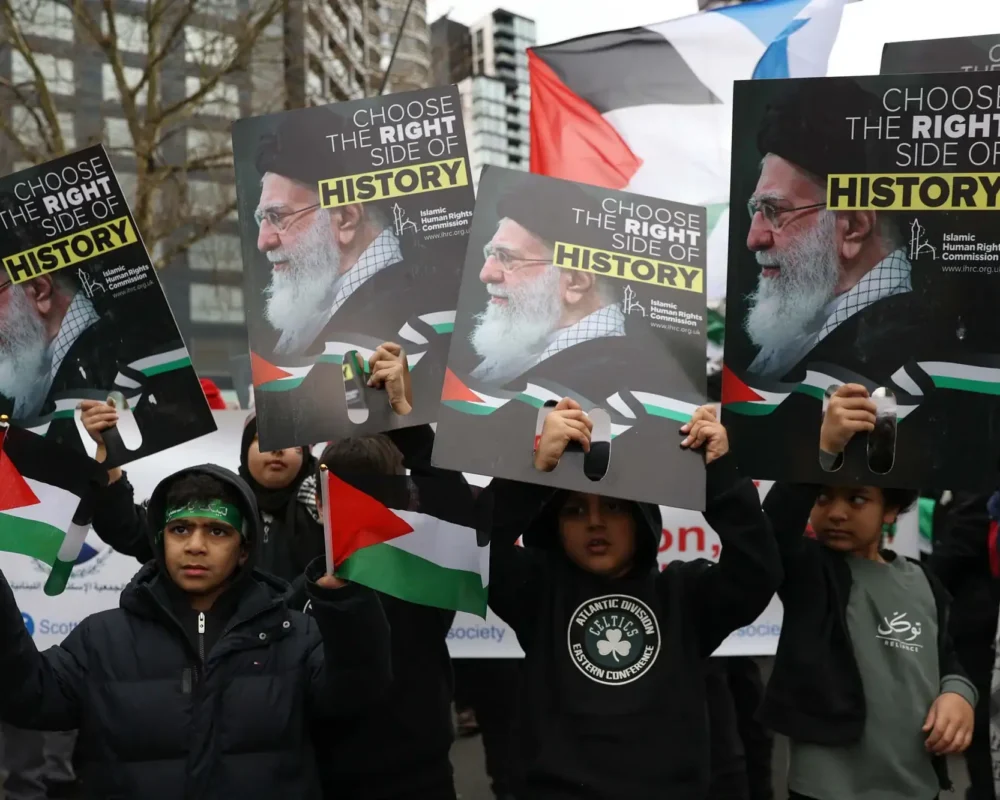
The war in Iran continues, and Donald Trump is trying to avoid an enduring oil shock by assembling an international alliance to protect the Strait of Hormuz. But as the realities on the ground play out, so too does the war of narratives. Vali Nasr, a professor at Johns Hopkins University who frequently appears on […]