Britain’s next chancellor needs a chainsaw

23 July 2026

Stefan Rousseau / POOL / AFP via Getty Images
Britain’s spending and tax choices now fall to John Healey. My expectation? Higher spending, higher taxes and meaningless tweaks to welfare reform.
Tuesday’s decision to cut VAT from domestic electricity bills could save the average household around £45 a year. Fine as far as it goes. But it will do nothing to boost productivity, stimulate investment or change the UK’s growth rate.
If the Government – and the public – want better public services, higher defence spending and sounder public finances, none of them can be sustained by an economy growing at barely perceptible speed. We need, instead, a version of the radicalism displayed by Javier Milei in Argentina. We need a chancellor willing to take a chainsaw to the cost of government and put the savings into work, wages and investment.
Turning things around is going to take a lot more than meaningless tweaks. Here’s what I’d do, starting with welfare.
Social security spending – welfare to most people – is forecast at roughly £334 billion this year, with around £146 billion going on the state pension and almost £178 billion going to pensioners overall. If I were the Treasury’s new boss, I would aim for annual savings of around £57bn (a cut of 17% on today’s bill) by the end of the Parliament and use every pound to cut taxes on employment, earnings and investment.
Around £22bn of cuts should come from sickness, disability and incapacity benefits. Obviously, those with severe and permanent conditions should be protected. But how can a system costing hundreds of billions of pounds a year be unable to distinguish, on clear medical and functional grounds, between those who need long-term support and those with some capacity for work?
We need a major transfer from welfare spending towards employment, take-home pay and business investment, without additional borrowing
A further £15bn should come from replacing the pension triple lock with an earnings link and means-testing the State Pension for the wealthiest retirees. Almost every senior politician knows the triple lock is unsustainable. They admit it privately, but refuse to say it publicly. That dishonesty has to stop.
The remaining £20bn could come from freezing most non-disability working-age benefits for three years, imposing stricter work requirements, modifying housing support and reducing fraud, error and overpayments.
The point is to shift public spending away from inactivity and towards work, wages and investment – the drivers of growth.
I would use the savings to cut employer National Insurance from 15% to 13%. The static cost would be around £19bn a year, while a business would save roughly £700 for each employee earning £40,000. Employer NI is after all a payroll tax.
The basic rate of income tax should be cut from 20% to 18%, costing around £16.5bn, allowing someone earning £40,000 to keep about £550 more each year. The personal allowance should also rise by 2% annually, at a cost of around £2.5bn a year, removing the dishonest stealth tax of fiscal drag.
Labour must also accept that Britain is competing for capital with countries that have cheaper energy, lighter regulation and, in many cases, lower taxes. A high-tax, high-cost offer will just lose investment to rivals. Therefore, a 25% corporation tax rate, on top of some of the developed world’s highest industrial electricity prices, is not a serious investment offer. Corporation tax should be cut from 25% to 20% over three years, alongside permanent full expensing. The static cost would be around £19.5bn.
Of course, £57bn is a lot of money. It is supposed to be. We need a major transfer from welfare spending towards employment, take-home pay and business investment, without additional borrowing.
But I would only introduce these tax cuts as the welfare savings are delivered, with each stage independently costed by the Office for Budget Responsibility. After all, we must keep one eye on the bond vigilantes. The gilt market is not opposed to lower taxes; it’s opposed to governments announcing them without showing how they will be financed.
As chancellor, I would also look at the cost of paying Bank Rate on reserves created through quantitative easing. The Bank of England currently pays interest on roughly £500bn of reserves. A tiered system of reserve remuneration could save taxpayers £8bn to £10bn a year without changing the stance of monetary policy.
The Bank could continue paying Bank Rate on the marginal reserves needed to control short-term interest rates, while paying less on part of the remaining stock. Other central banks already use forms of tiering.
I’ve done some research on Britain’s compliance economy which suggests around 1.3 million workers are involved in some way, at a cost of more than £50bn a year. Cutting that burden by 20% could release about £10.5bn of productive capacity.
That does not mean placing 260,000 compliance staff on Universal Credit, since most would be redeployed into more productive work. Even if every worker claimed the standard allowance, the cost would be around £1.3bn a year. This would still leave a gross saving of over £9bn before allowing for their rehiring elsewhere in the economy.
Successive governments of every party have ducked the hard choices. They have preferred short-term political comfort to the difficult, and sometimes painful, reforms needed to put Britain’s debt on a sustainable path.
Delay is not the prudent course. It will only make the final adjustment bigger and tougher and more expensive. Failing to act now just passes the buck to our children and grandchildren, leaving them with more debt, higher taxes and a weaker economy.
That is fiscal cowardice. The cuts we need will get called cruel, as always – but ducking them is immoral.

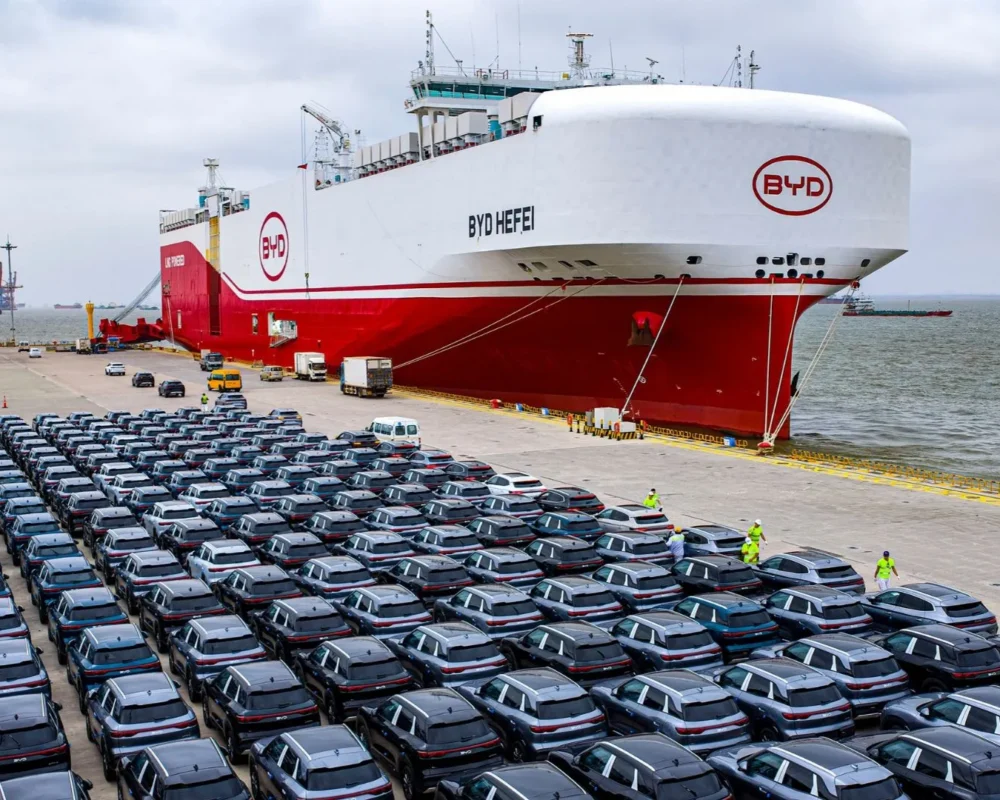
It has been reported that the UK looks set to follow the example of the EU in imposing tariffs on electric vehicles from China. This would be a mistake, for five main reasons. First, we have to look at the main reason why the UK is considering doing it. The EU is using its proposed […]

The UK-EU relationship must be viewed through the lens of the battle for the world’s operating system. There are three operating systems in the world. The first is a competition on the merits system where countries are free to engage in regulatory competition but inter-operate on the basis of mutual recognition and equivalence. This historically […]

Britain is looking for the effects of artificial intelligence in all the obvious places: redundancies, vacancies and unemployment numbers. So far, there is little evidence of dramatic change in overall headcount. The Office for National Statistics reports that most British businesses using AI have not changed the size of their workforce, even as AI adoption […]