Has Healey got the guts to reform welfare?
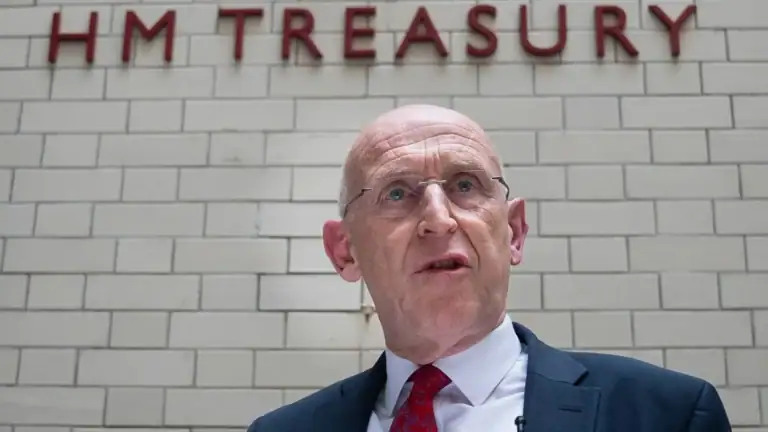
Stefan Rousseau/POOL/AFP via Getty Images
Yesterday morning, John Healey woke up for the first time as our country’s Chancellor. A dream come true perhaps – but the legacy he’s received from his predecessor is more the stuff of nightmares.
The first figures out that day were the latest ONS stats on employment. Not a rosy picture. They show 160,000 fewer people on payrolls than when Labour took power. Compared with a year ago, vacancies are down by 18,000. And almost one in seven 18–24-year-olds are unemployed. A new generation is being shut out of work and signposted to welfare.
He shouldn’t take comfort from the morning’s borrowing figures either. One month’s numbers never tell the whole story. Despite borrowing in June being down a third compared with June last year, borrowing is still above the OBR’s forecast. And the cost of UK debt is punishingly high.
The path to a stronger economy runs through work, not welfare – and the country cannot afford a government too timid to make that case
Given this picture you might expect his day one priority would be to get a grip of the nation’s finances and pull out all the stops to achieve growth and more jobs. Especially for those young people staring at a bleak future on benefits. So far, that’s not what we’ve seen.
Alternatively, as he (officially) resigned over Keir Starmer’s failure to fund defence – we would all understand if he made finding the money for that his top priority. But we haven’t seen that either.
Instead, we’ve had a spree of spending announcements and great big hints of more to come; VAT off electricity bills, a £2 cap on bus fares, an end to homelessness, potential rent freezes and – this is a huge cost – free social care. How all this is to be paid for is as clear as mud.
Andy Burnham has said he’ll stick to the fiscal rules. But the laws of arithmetic do not bend for politicians. If spending keeps rising, there are only three roads to go down: higher taxes, higher borrowing or finding savings.
Savings look unlikely, especially on welfare, where the working-age benefits bill stands at £170 billion. Burnham has said little on this, beyond promising not to make ‘crude cuts’ and that people struggling with their mental health should get support to stay in work. That’s a sensible idea, but it is not a policy. It is nowhere near a plan for reform, let alone for savings.
He will have seen his predecessor fall at the hurdle of welfare reform. Arguably, that dramatic U-turn hours before a vote was Keir Starmer’s undoing. From that point on it was clear he could not command the support of Labour MPs.
And while Keir Starmer was more a lawyer than a politician, Andy Burnham is a politician through and through. So, he is no doubt wary of picking a fight he doesn’t think he can win.
On that his judgment may well be right. Keir Starmer’s manifesto had no plan for welfare reform, so Labour MPs felt they had no obligation to back it. Burnham has repeatedly dodged scrutiny in the run up to becoming Labour leader – and has no mandate to do anything of any substance at all.
We know Burnham wanted an end to being ‘in hock to the bond market’ but he’s already found out that’s not an option when you’re a country borrowing 84.5% of GDP. And he’s said he will stick to Reeves’s fiscal rules. So while he might like to fund his spending with more borrowing, that road is a dead end.
If he won’t make welfare savings and he has no room to borrow, the only answer left for Burnham and Healey is tax rises.
But it’s the wrong answer. We already carry the highest tax burden in seventy years.
Wealth creators are leaving Britain – and they’re taking their revenue with them. Last year, 16,500 millionaires (net) left the country – mostly heading to the US and UAE. Nearly 6,000 owners of fast-growing businesses have quit the UK in the past two years, driven out by tax changes and doubts over whether Britain can still compete.
Tax them more, and more will go.
Businesses are already buckling under the cost of employment, energy and business rates. They are freezing hiring and shelving investment.
Working people can barely make ends meet – and they’re asking me ‘why bother to work’, when benefits can match or exceed a wage.
Ambition itself is being punished. Professionals offered a promotion or pay rise that tips them over £100,000 are turning it down. For every extra pound earned up to £125,140, they lose 60p to tax. Add the loss of free childcare hours – worth thousands of pounds a year – and they can lose 90% of those pounds to tax. Those paying off their student loans face similarly punishing marginal tax rates.
Raising taxes won’t raise the revenue Burnham hopes for. But it will damage the economy. And it will mean fewer jobs, not more. Lower bus fares and VAT off energy bills are welcome – they are Conservative policies after all – but when people can’t get jobs, these provide scarce consolation.
That’s why Healey is going to have to face up to the challenge of reforming welfare. There is no other way.
The path to a stronger economy runs through work, not welfare – and the country cannot afford a government too timid to make that case.
Reforming welfare isn’t just about balancing the books. It’s about better lives lived by being in work over welfare, giving businesses the workers they need, and protecting support for those who genuinely need it.
Andy Burnham may be shy of taking a stand on welfare, but our new Chancellor should step up. He can have no illusions about the financial position of the UK, and he has full knowledge of the investment we need to make in defence. There are tough choices to be made; he needs to be tough enough to make them.


This is a highlight from the event programme of the Centre for Policy Studies (CPS) – CapX’s parent organisation – at this year’s Conservative Party Conference. You can watch all the panels and interviews on the CPS YouTube channel. The £23 billion [in welfare savings] is just the start. The number will be higher by […]
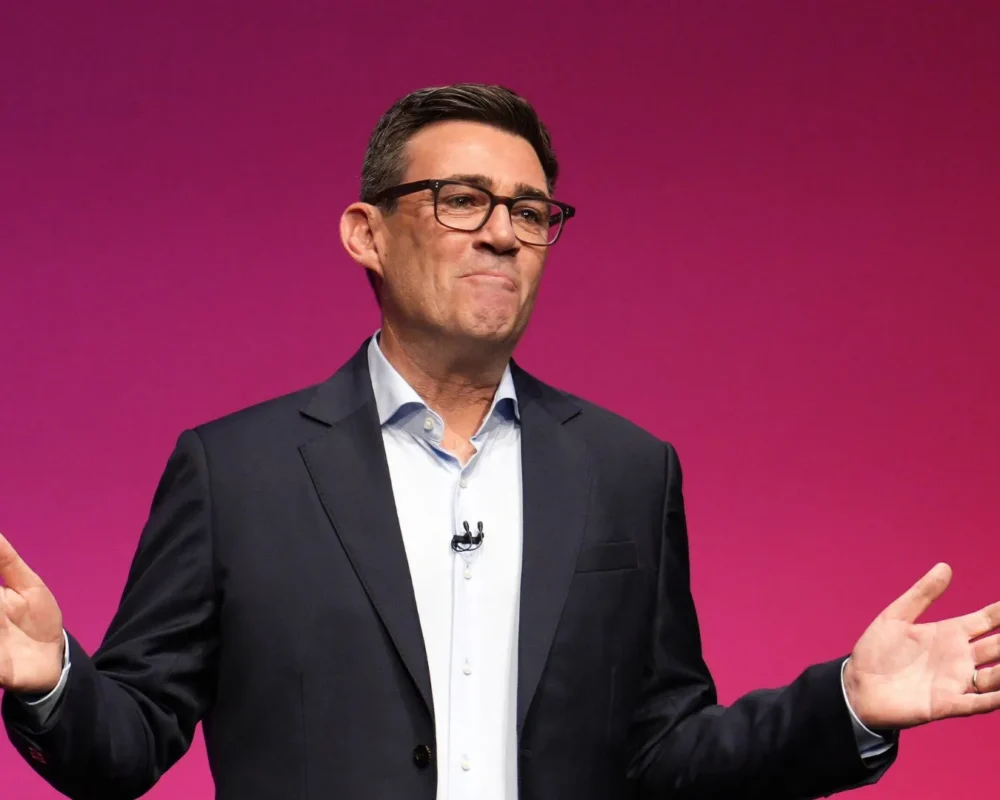
Andy Burnham used the Labour Party conference in Liverpool this week to commit the Government to a National Care Service, universal and free at the point of use, while promising to ‘stick to our fiscal rules to get borrowing and debt down’. The service is due in the next Parliament and is supposed to be […]

There is a standard response from any Chancellor or Prime Minister asked questions about government finances: ‘I am not going to write the Budget in front of you’. And neither should they. The Budget is a potentially market-moving financial event. The figures it contains have to add up, make sense. The measures have to be […]