Badenoch’s inheritance tax pledge is a battle cry

7 October 2026
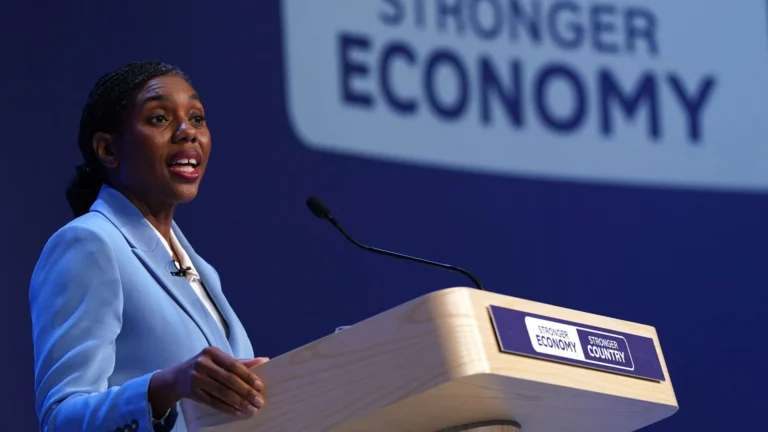
Ian Forsyth/Getty Images
When William Buckley went on the front page of Time magazine, the title was simple: ‘Conservatism Can Be Fun’. That is what Kemi Badenoch has done at this conference. Conservatism can be fun, can be serious and can learn from its old mistakes. But most importantly, what makes it the world’s oldest party is its ability to remake itself. As Stanley Baldwin once said, Conservatives must ‘adapt those principles to the changing needs of each generation’.
Andy Burnham’s return to the 1970s is a blessing for the Conservatives, because it is bringing ideas back to the heart of politics. As Badenoch said in her speech: ‘there is a fight coming in British politics’ and it is, once again, a battle of ideas. This has been missing for too long. Roger Scruton wrote in ‘The Meaning of Conservatism’ that: ‘It is part of conservatism to resist the loss of ideology. The “value-free” world is not a human world.’ And that is what ‘The Right Way’, the manifesto of Badenoch’s new Conservative Party, is doing: going back to first principles. It starts its first chapter by stating ‘Government does not create growth. It is business that creates growth’, and quotes Thomas Sowell. It is not about the culture war; it is a serious economic manifesto.
Badenoch’s conference speech had a simple message: we are living beyond our means. The solution is growth, and the way to achieve it is not to ‘move the government to Manchester’ but ‘to move the government out of the way’
But the manifesto goes beyond that. It is not only about new ideas, but also what Fraser Nelson calls the ‘Tory confession box’. It is not only talking to voters, and its rivals on the Right and Left; it is a Conservative Party being clear about its record and mistakes. As Charles Darwin said, ‘To kill an error is as good a service as, and sometimes even better than, the establishing of a new truth or fact.’ The booklet doesn’t think, like Burnham, that it has a new theory of growth, but it understands what went wrong with growth during the last Conservative era. On Net Zero, it states: ‘Net Zero was legislated for before we had an economically feasible route to get there.’ On migration, it says: ‘The previous Conservative administration promised to bring numbers down but did not deliver that promise.’ On regulation, it says Conservatives in rhetoric opposed it ‘while preserving or extending it when in office between 2010 and 2024’.
And now the Conservatives are intent on making a principled comeback. Badenoch’s conference speech had a simple message: we are living beyond our means. The solution is growth, and the way to achieve it is not to ‘move the government to Manchester’ but ‘to move the government out of the way’. And that is where the policies come from: from these basic principles. Scrapping the Employment Rights Act, cutting job taxes in half for under-25s, and welfare reform to make those who can work, work. Graduates should be ‘choosing between jobs’, not ‘job centres’.
The big policy announcement was about housing. That may be a vote-winner for the young, as Pierre Poilievre showed in Canada. Under the next Conservative government, if you buy a house, you don’t need to pay stamp duty; when you live in it, you won’t be hit by Labour’s mansion tax; and, today’s big announcement, when you leave it to your children, you aren’t going to pay inheritance tax on the family home you pass on to them. This is an unapologetically conservative agenda: giving young people a stake in the country and caring about the legacy we leave for the next generation, as well as building a safer, more prosperous country. And the policy is funded by £70 billion of savings, half of which goes towards cutting the deficit, based on the golden rule introduced at last year’s conference.
An editorial in The Times once called Margaret Thatcher ‘a woman of simple truths’, and gosh, we need those simple truths more than ever. The battle of ideas isn’t limited to our country. On the other side of the Atlantic, the rhetoric of US Vice President JD Vance, who said in a recent interview that he is trying to ‘undo 40 years of globalisation’, isn’t far away from that of Andy Burnham. Increasingly, the battle today isn’t about Left and Right; it is about classical liberals versus post-liberals.
Margaret Thatcher believed Britain acted as a barrier against bad ideas from Europe, such as collectivism, the big state and bureaucratisation, preventing them from reaching the US. Badenoch now finds herself in the opposite position: she needs to be the barrier for Britain against the bad ideas of US right-wing post-liberalism. As Badenoch said, ‘I’m not someone who is written off and neither is the Conservative Party.’ We need this Conservative Party to make popular capitalism popular, once again.
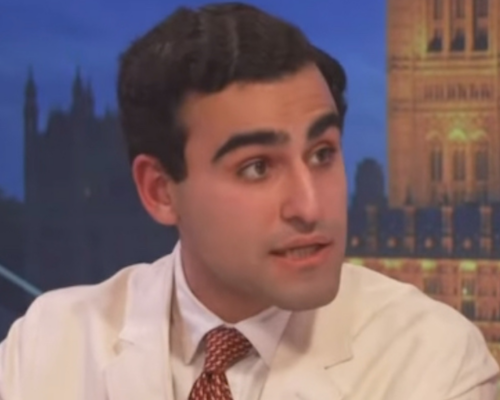

Just as there is a battle on the Right in Britain, so too is there a battle inside the Conservative Party for what the party should focus on. There are those who are concerned about the threat of political Islam, the damage to the social fabric of the Boriswave and other elements of mass immigration, […]
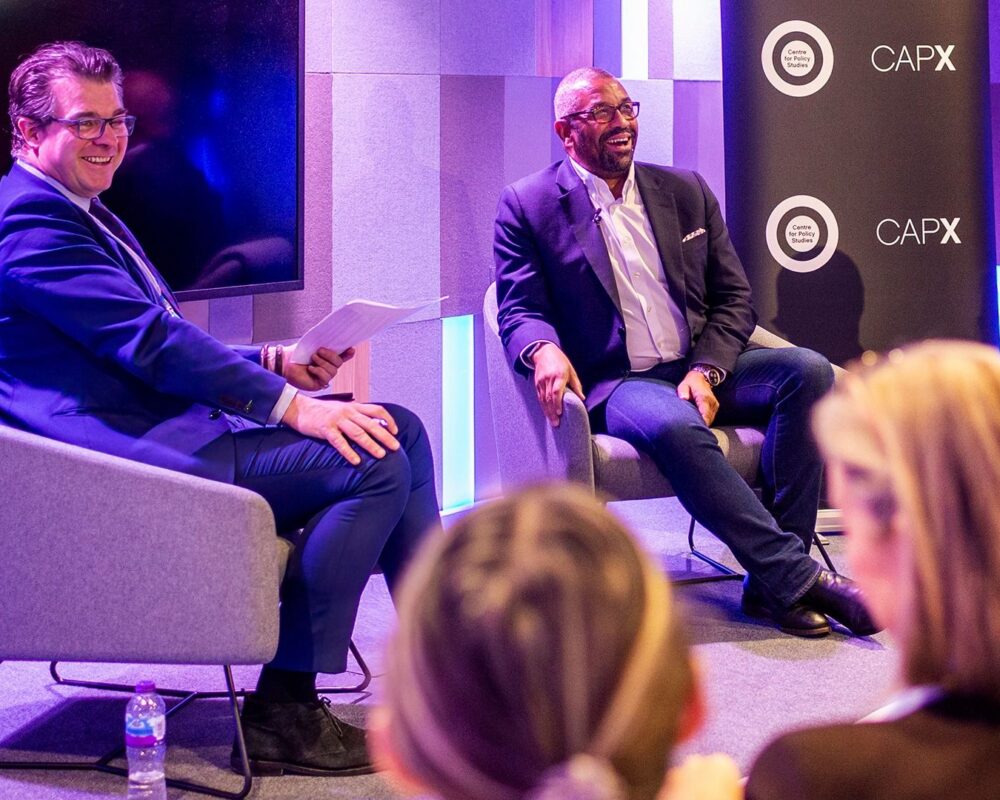
This is a highlight from the event programme of the Centre for Policy Studies (CPS) – CapX’s parent organisation – at this year’s Conservative Party Conference. You can watch all the panels and interviews on the CPS YouTube channel. The housing market has ground to a halt in London – in large part because of political decisions […]
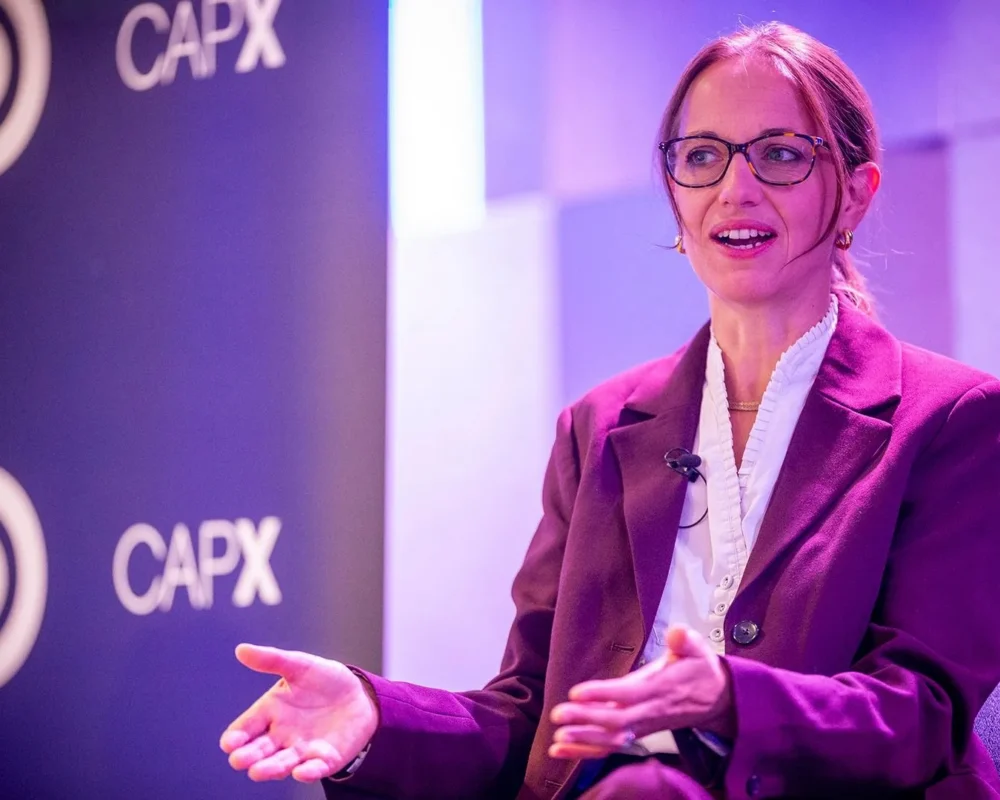
This is a highlight from the event programme of the Centre for Policy Studies (CPS) – CapX’s parent organisation – at this year’s Conservative Party Conference. You can watch all the panels and interviews on the CPS YouTube channel. The £23 billion [in welfare savings] is just the start. The number will be higher by […]