Helen Whately: you can’t have social security without national security
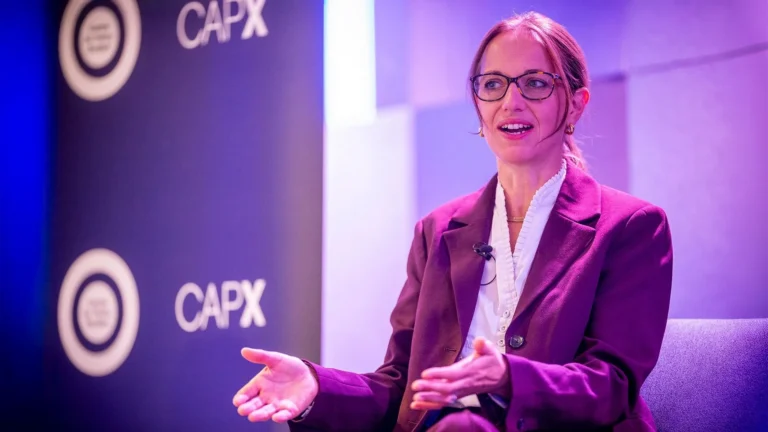
This is a highlight from the event programme of the Centre for Policy Studies (CPS) – CapX’s parent organisation – at this year’s Conservative Party Conference. You can watch all the panels and interviews on the CPS YouTube channel.
The £23 billion [in welfare savings] is just the start. The number will be higher by the end of this conference. They’re savings that need to be made. Our welfare bill has gone up, will continue to go up, to a level that we as a country cannot afford
How do you tackle an out-of-control welfare bill in a world of sickfluencers, rising global threats and spiking immigration? Liam Halligan, the CPS’s new Director, sat down with Helen Whately, the Shadow Work and Pensions Secretary, to discuss the thoughtful plans she is laying for benefits cuts, and how they stack up against the promises of Reform UK to go further and Labour’s approach based on ‘public control’ and more spending.
First on the agenda is the question of whether the public, still feeling the squeeze from high energy prices and a stagnant economy, can actually be persuaded to vote for fewer handouts. Whately says that from her experience on the doorstep, people can see the broken system and ‘almost want’ this argument to be made.
People see this. They’ll say, well, the only people with new cars in this street are people who are claiming benefits and getting Motability. People are seeing that on their doorsteps and getting angry… The public has common sense about this and they can see that the system we’ve got now isn’t working.
What of Labour’s approach, which talks of the need to bring down benefits, but rejects ‘crude cuts’? The public can see through that too, she thinks. Indeed, echoing a common theme from the Tory frontbench at conference, Whately sees Andy Burnham’s approach as the mirror image of what Kemi Badenoch’s Conservatives stand for: ‘More public spending, more public control will create growth? To me that’s an extraordinary way of looking at the world, and clearly utterly wrong.’
Which raises the awkward question of the state pension triple lock – which Burnham is now committed to reform, a move the Conservatives are standing against. The party may have little choice but to be inconsistent here, given its reliance on the votes of pensioners, but Whately argues that there are principled reasons at play. Above all, she says keeping the triple lock reflects a belief that the welfare system should recognise contribution, alongside the more practical calculation that big near-term savings can be made through working-age welfare. ‘We’re not going to go after people who have contributed, paid in, worked all their lives.’
Tying benefits more closely to citizenship is also part of her plan: ‘we cannot be a cash machine for the world’. That comes alongside a focus on getting young Britons back to work through targeted support that arrives earlier, to stop a new generation of NEETs entering the welfare system straight after school and never entering the world of work.
There is another motivation for shrinking the welfare bill now: the need to spend more on defence. Whately is speaking in the main hall this afternoon, as part of the session on building a stronger country, and she sees a ‘clear link’ between spending too much on welfare and keeping Britain safe. Seizing on Burnham’s recent comment that social security had to come first, she flips it on its head: ‘you can’t have social security without national security’.
Can it be done? Whately is in no doubt about the unsustainability of our current system. ‘This is serious stuff. We have to confront the downward spiral that we are in.’ And she has little time for those who blame a Civil Service ‘blob’ for blocking right-wing policies. ‘The most important thing is to know what you want to do when you get into government… If you knew what you wanted to do, you could get stuff done.’ She points to Keir Starmer’s ill-fated administration as an example of what happens when you arrive in Downing Street without a plan.
Whately has a detailed, principled vision that sits at the heart of the new Conservative agenda. She promised the audience a policy that would deliver even bigger welfare cuts by the end of conference, and we may learn more this afternoon. Reporting also suggests that further reforms will be tied to reducing inheritance tax in Kemi Badenoch’s big final speech. The Tories believe they can sell a platform with benefits cuts at its heart, and are making serious plans to deliver from day one. But with the party still stubbornly low in the polls, it remains an open question whether the public is really ready to vote for ‘tough love’.

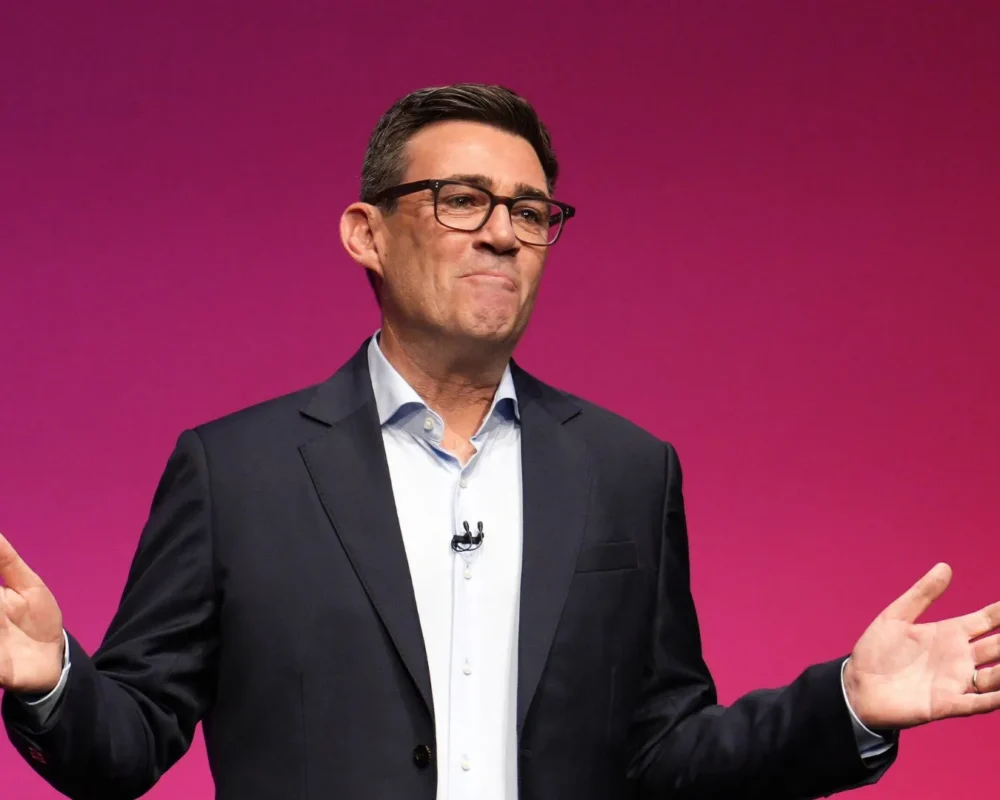
Andy Burnham used the Labour Party conference in Liverpool this week to commit the Government to a National Care Service, universal and free at the point of use, while promising to ‘stick to our fiscal rules to get borrowing and debt down’. The service is due in the next Parliament and is supposed to be […]

There is a standard response from any Chancellor or Prime Minister asked questions about government finances: ‘I am not going to write the Budget in front of you’. And neither should they. The Budget is a potentially market-moving financial event. The figures it contains have to add up, make sense. The measures have to be […]
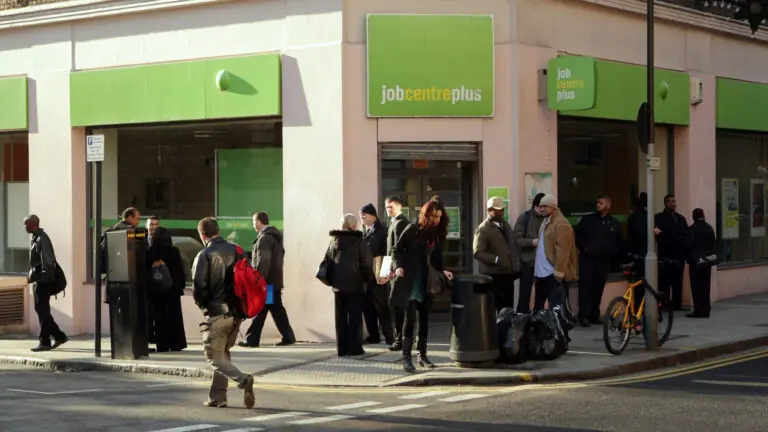
This morning the Guardian reported ‘Number of young people in UK not in work or education falls below 1 million’. Technically yes. The ONS released new statistics today which show that the number of people aged 16 to 24 not in employment, education or training (NEET) is down 30,000. Unfortunately, it is not cause for […]