Why your gig tickets cost an arm and a leg
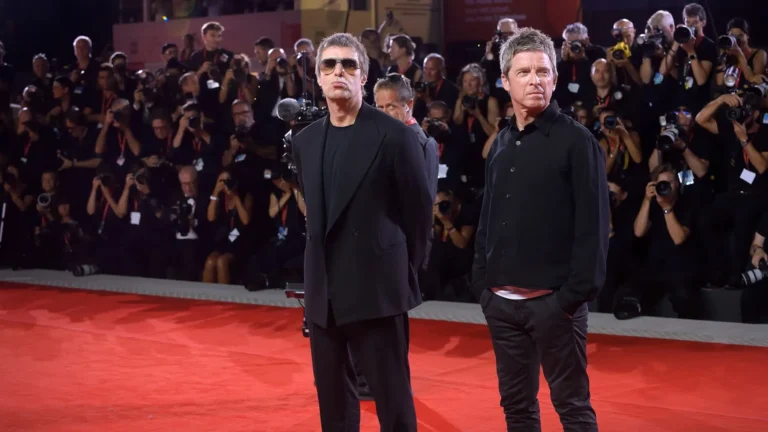
Rocco Spaziani/Archivio Spaziani/Mondadori Portfolio via Getty Images
English rock fans are understandably thrilled over the announcement that Oasis will embark on another tour, including a stop in Manchester, where the band first got started in 1991. And while that may be good news, fans are still going to have a difficult time seeing them perform live – affording it, that is.
Live event tickets in the UK have become increasingly unaffordable since the early 2000s. So-called ‘gigflation’ has driven up the cost of concert tickets by 212% since 2000, while overall inflation is closer to 118%. The mismatch suggests that something unique has happened in the ticket market for live events: it is at least partially explained by the near-monopolisation of the primary ticket space.
The near-monopolisation of the market is no win for fans, because when one company has so much control, it ends up setting nearly all the service terms, inflating prices and unnecessarily adding fees to extract more from consumers
Ticketmaster is the undisputed king of live events in the UK because it controls most of the primary ticket market. According to a House of Commons Business and Trade Report, out of 23.1 million tickets for sale in 2025, Live Nation (Ticketmaster’s parent company) controlled 66% of sales. The near-monopolisation of the market is no win for fans, because when one company has so much control, it ends up setting nearly all the service terms, inflating prices and unnecessarily adding fees to extract more from consumers.
That played out in real time when Ticketmaster was accused by Ireland’s consumer watchdog of misleading Oasis fans during the ticket sale for the band’s Croke Park gigs, charges the company is contesting. In the UK, the CMA found Ticketmaster had failed to tell fans standing tickets were being sold at two different prices, and the Commons Business and Trade Committee traced the wider problem to ‘the dominance of one company in particular: Live Nation’.
In competitive markets, firms that behave this way are punished because consumers can protest with their wallets and simply take their business elsewhere. In a monopolistic market, consumers are stuck with higher costs, deceptive practices, and endless irritation.
This dynamic isn’t new, and it isn’t exclusive to the UK. Live Nation dominates concert venues in North America by signing exclusive contracts that further increase ticket prices, allowing it to extract more money from fans for mundane things like parking fees. Concertgoers get squeezed at every turn.
Live Nation’s stranglehold allows it to tack on exorbitant fees, which have been as high as 30% of the original ticket price, usually without fans knowing about the fee until the absolute end of the checkout process.
Fans have obviously spoken out, but so have artists. The Cure frontman Robert Smith said in 2023 that he was ‘sickened’ by the company’s behaviour, and even Taylor Swift called out the ticket giant, calling it ‘excruciating’ to watch this happen with no recourse.
Worse still, Live Nation has publicly supported laws like Ontario’s resale ticket price cap, which further entrenches its market dominance and undercuts competitors in the resale market – restricting another avenue where Live Nation actually faces competition.
Britain is heading the same way. The draft Ticket Tout Ban Bill announced in May’s King’s Speech would make it illegal to resell tickets for more than face value, and Ticketmaster, which already caps resale on its own platform at face value, has said it supports an industry-wide cap.
What started as bad headlines and social media outrage from fans and artists became a legal reality in the US. In March, Live Nation settled with the Department of Justice without admitting liability, agreeing, pending a judge’s approval, to a $280m settlement fund and changes to its service fees and exclusivity deals intended to open the primary ticket market to competition. More than 30 states pressed on with the case regardless, and in April a jury found that Ticketmaster had overcharged fans and illegally maintained a monopoly, a verdict Live Nation is contesting.
That monopolisation is exactly why the Competition and Markets Authority (CMA) is reportedly preparing a possible investigation into Live Nation, after MPs accused the company of creating a ‘climate of fear’ and raising concerns about its ‘dominant and controlling market position’.
If the CMA does act, the US settlement can provide a blueprint for what needs to happen next.
The primary goal for authorities must be to give fans a genuine choice of where to buy tickets to the same show. Ticketmaster should be required to offer non-exclusive venue contracts, allowing rival platforms to compete on fees and service without forcing venues to replace their ticket scanners. Regulators could also block Live Nation from withholding concerts or venue access because an artist or venue chooses a competitor.
Fans, meanwhile, should have the right to transfer and resell their tickets through competing sites and apps without discriminatory fees or threats of cancellation. That’s the portability concept. Opening the primary market this way would address the source of Live Nation’s power, which a resale price cap leaves intact.
The path forward in the UK is a freer, more competitive ticket market, one where fans aren’t forced to endure in perpetuity the misdeeds of a rogue live entertainment giant.

Britain needs new talent and ideas in its politics. The old factions of Westminster have proven themselves incapable or unwilling to take the radical action required to fix the country. They push our best abroad, ignore new ideas (or claim they are ‘not serious’ or ‘sensible’), abandon their principles and kick difficult decisions down the […]

As an Anglo-Scot, I had a dog in the fight that was the Scottish independence referendum 12 years ago. I was a visceral opponent of the dismemberment of the United Kingdom, which, I believed, would damage everyone in the British and Irish Isles. As the UK’s ambassador to the UN in 2014 put it, ‘it […]

Margaret Thatcher is back in the news. But it is not her admirers on the Right who have put her there. It is our new Labour Prime Minister, whose diagnosis of our country’s ills seems to be that Britain was on the right path up until 1979, when the Conservatives got into power and precipitated […]