Why Hollywood’s activist class is silent on Iran

Photo: Monica Schipper/Getty Images
Greta Thunberg is not sailing her eco-friendly boat across the Caspian Sea to stand with Iranian protesters. Nor are Javier Bardem, Angelina Jolie or Mark Ruffalo using their platforms to amplify Iranian voices. You do not hear chants of ‘Death to the IRGC’ at concerts. There are no celebrity hunger strikes, no emergency motions passed by student unions, no university occupations. The same activists who once draped the Palestinian flag over Big Ben, who turned Western campuses upside down, are suddenly nowhere to be found. And yet the scale of violence is impossible to ignore. Some 16,000 have been killed. Hundreds of thousands injured. This is repression on a scale that should command global attention. Instead, there is silence.
But the question is more general: Why are celebrities and activists so consistently wrong in politics – with only a few notable exceptions? Thomas Sowell offers a useful explanation. When Peter Robinson, the legendary host of the Hoover Institute’s ‘Uncommon Knowledge’ series, asked him why intellectuals so often get things wrong outside their own field, Sowell replied that for some, ‘going outside their expertise is like going over a cliff’. The classic example is Noam Chomsky: a towering figure in linguistics who, once he entered politics, ended up defending Chávez, downplaying the Khmer Rouge and urging Ukrainians to surrender.
Celebrities operate under a similar illusion. The attention economy creates the belief that political judgment must come as naturally to them as performance. How could it not? But this is precisely the mistake. Expertise does not transfer automatically. What makes someone good at one thing – years of study, training and discipline – does not exist when they wander into another field. It certainly did not when Amanda Seyfried recently described socialism as a ‘gorgeous idea’, or when Roger Waters defended the Islamic Republic just days ago.
Iran, however, presents a deeper problem for the activist imagination. Many simply cannot conceive of a story in which their favoured ‘victims’ are the oppressors. An oppressor who is not European, American or British? That feels impossible. Without Israel, the US or the UK somewhere in the background, the conclusion is easy: it is ‘their culture’, and therefore not our business. Criticism would be offensive.
This is the moral narrative that sustains their silence. When oppression is committed by non-Western regimes, it becomes culture rather than tyranny – something to be respected, not challenged. Yet the oppressor exists, and often in a more brutal form than those activists routinely denounce. The Left condemns the Right for Eurocentrism, but when it comes to global politics, it is the Left that cannot imagine evil without a Western passport.
But the silence of the great and the glamorous over Iran sends an important signal: Iran today is playing a significant role in the global discourse, opposite to the role from the one it played in 1979. And in that sense, I am glad that Greta Thunberg and her peers are silent. The Iranian protests represent a direct challenge to anti-Western dogma. Here are people living under a regime whose official slogan is ‘Death to America’, openly declaring that America is not their enemy. People governed by sharia law demanding the rule of law. Protesters in Iran and in the diaspora, calling not for political Islam, but for constitutional monarchy and rule of law. These are the same people who were long assumed to be indistinguishable from their rulers, an assumption used to justify tolerating the Islamic Republic. That illusion has collapsed.
The silence also helps explain why the Iranian protests matter globally. While Ivy League students chant ‘globalise the intifada’, Iranian protesters want to end it. While Zack Polanski in his latest New Statesman piece calls for alignment with the ‘Global South’, Iranians are demanding a turn towards the West. Where Michel Foucault once claimed to find ‘the spirit of a spiritless world’ in political Islam, it is now the Iranian youth who embody that spirit against it. Now the Right can see Iran as the spirit of a spiritless world. The new generation in Iran aspires to be Western, but also intuitively understands what makes the West the West: legality, limits on power, normal politics and ordinary freedom, not constantly hating your culture and fighting with the United States.
I am glad the activist class is silent. Whenever they tried to interpret Iran’s protests in the past, they misunderstood them entirely – reducing a national revolt against political Islam to feminism, reformism or some other narrow sectoral grievance. That distortion is absent today. For once, the world is hearing what Iranians actually want. And what they want is simple: normality.
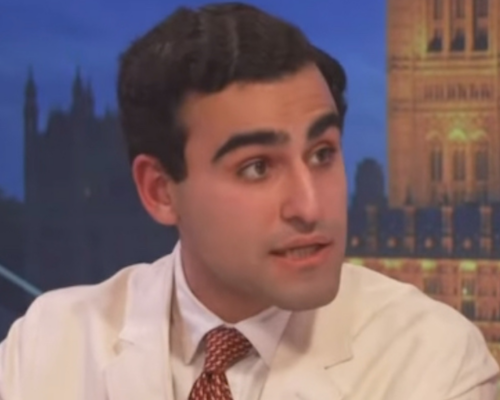
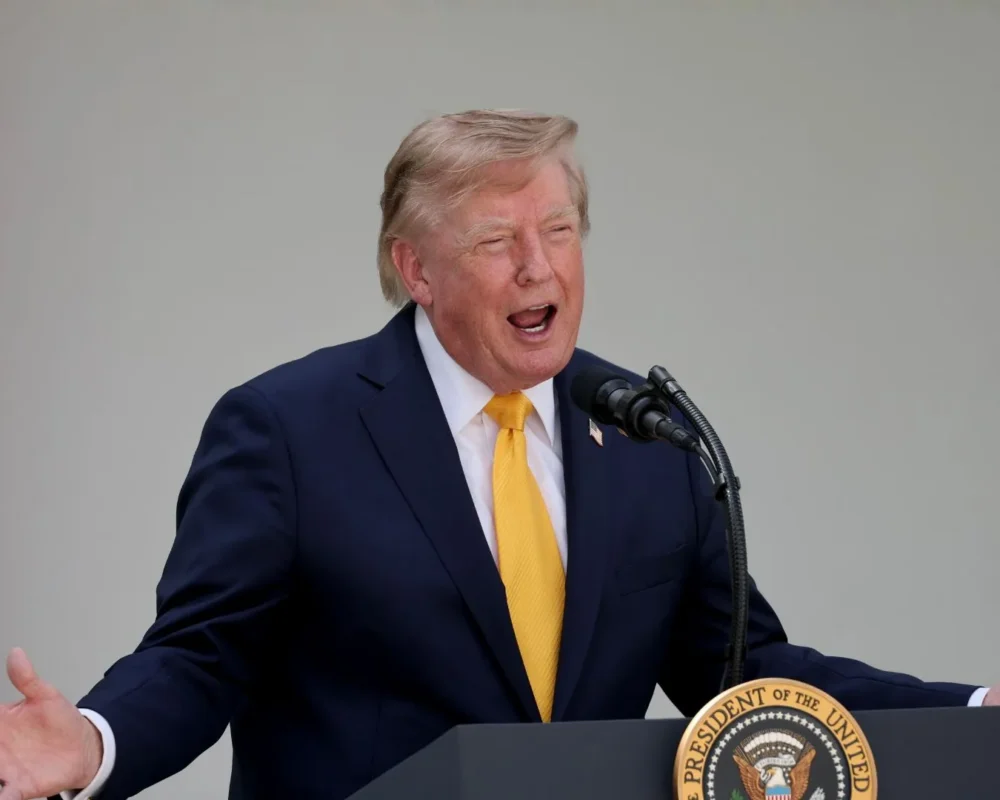
President Trump’s imposition of ‘economic D-Day’ against Iran – a series of sanctions against any nation dealing financially with Iran, as well as banks and businesses – has already been dismissed by the usual suspects whose knee jerk response is always to attack any new measures against the Tehran regime. When it comes to Iran, […]
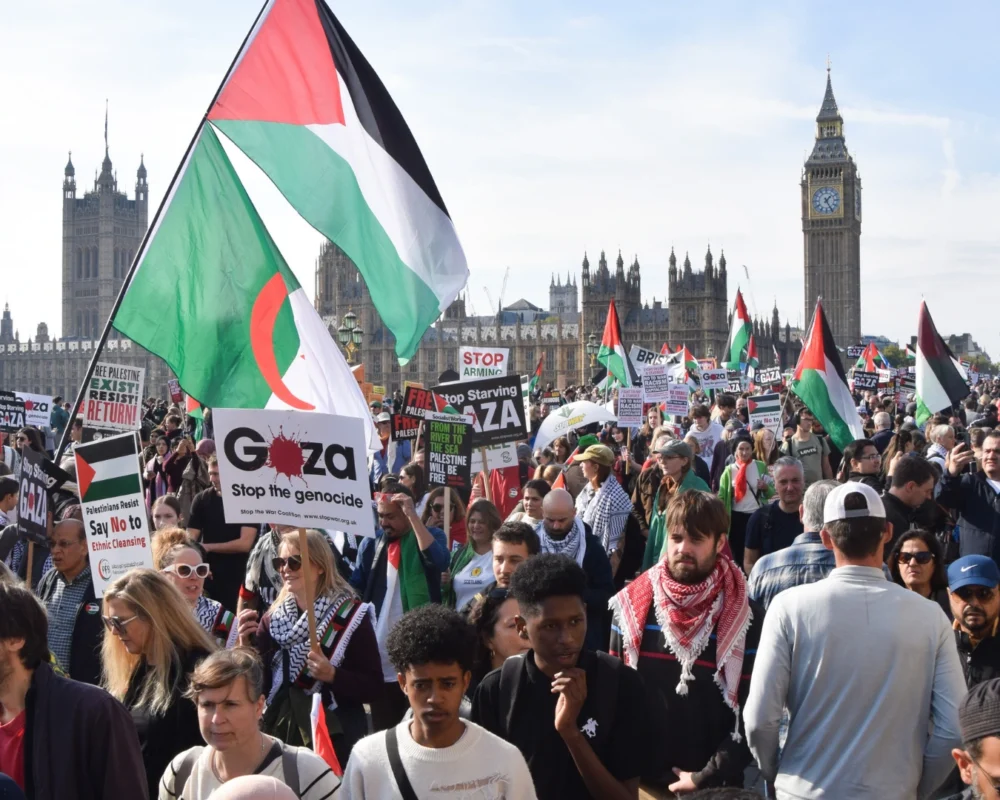
Last week, the Community Security Trust’s (CST) report covering incidents between January and June 2026 showed alarming results. The unprecedented wave of antisemitism that started on October 7, 2023, when Hamas massacred and kidnapped over 1,200 people in Israel, shows no sign of easing. On the contrary. The 1,926 incidents recorded represent a 21% rise […]
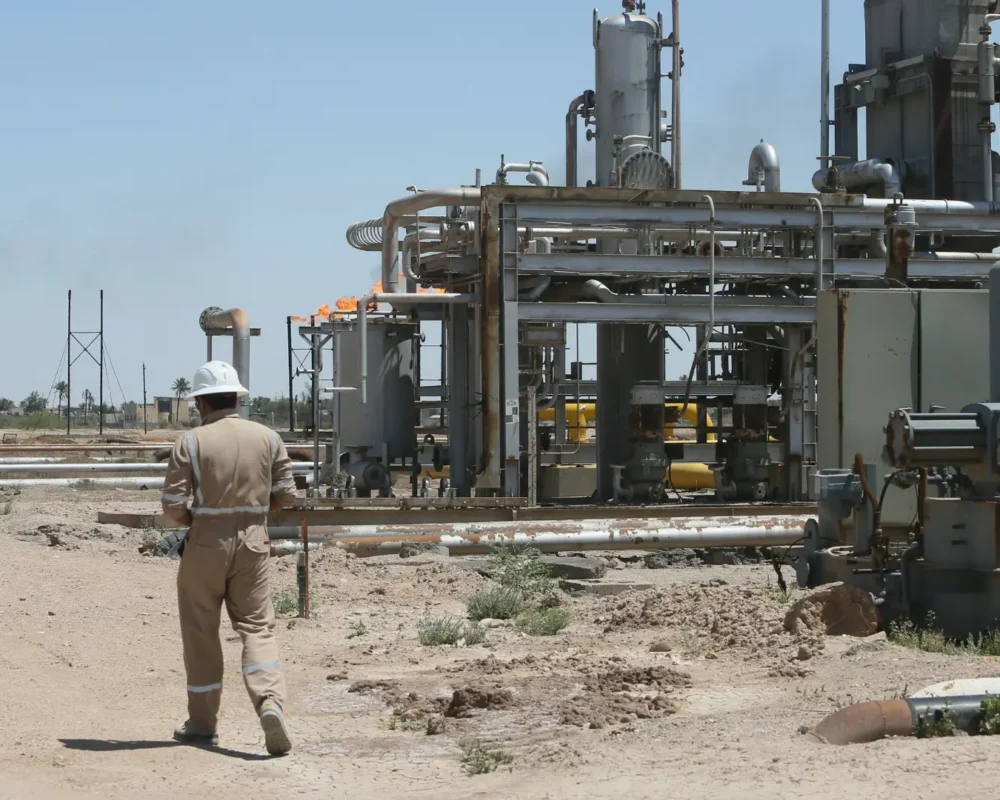
The Iran war has created the largest supply disruption in the history of the oil market, beating the shocks of the 1970s and the war in Ukraine. Whatever happens with Donald Trump and the Strait of Hormuz, the Middle East oil industry cannot afford to be this exposed again. The Gulf has the money and […]