A cleaner, cheaper energy system is possible without renewables

Photo: Christopher Furlong / Getty Images
We all know that since 2002 there has been a dramatic change in the way we generate electricity in the UK.
We’re changing to wind and solar power, and generation is shifting away from large generating stations to distributed systems, even to people’s rooftops. The headline reason for these changes is to reduce carbon dioxide emissions. But has anyone asked if this change is delivering useful emissions reductions at an affordable price, and at the same time maintaining security of supply to this island grid? I answer these questions in A Cleaner, Cheaper Electricity System, published by the Global Warming Policy Foundation, and the answers seem to be disappointing.
There’s data for our generation system going back to 1920, and what emerges is a story of success. Electricity prices have fallen nearly continuously, as have emissions of carbon dioxide. Whether the system was in private or public ownership, this success story continued through improvements in steam turbine technology, nationwide management of generation, the evolution of nuclear generation and in 1990, the arrival of generation from natural gas.
I examined the performance of the modern grid (post 1990) using tools that are mainstream to the industry: levelised cost of electricity (LCOE) drills down to the capital and revenue costs of all aspects of generation, Loss of Load Probability (LOLP) performs a statistical analysis of the probability that generation will not match demand, and simple addition of emissions from all non-renewable sources of generation. The findings of this analysis are as follows:
Two thirds of the recent fall in emissions results from the resurgence of gas. The cost of cutting emissions using renewable generation is now rising rapidly and has reached £350/tonne, at a time when the talk of the societal cost of carbon dioxide is around £30/tonne.
So our strategy for renewable generation has reached a point where any further deployment is constrained by three factors. If we double our renewable fleet by 2030, as proposed by Labour:
Nothing in this analysis is surprising. The dash-for-gas of the 90s told us everything we needed to know about costs and emissions reductions. We advanced into our renewable strategy with no thought or modelling of how the system would perform.
Finally, and in spite of the hype, there has been no significant improvement in any of the renewable technologies even though they’ve enjoyed very heavy subsidies. Meanwhile, the USA, China and India are researching the next generation of gas generators with even higher efficiencies, exploring underground gasification of coal to burn in modified gas generators, and gas/oxygen combustion cycles that could lead to direct application of carbon capture.


It’s been reported that officials in the Trump administration have given their UK counterparts a dressing-down over the Online Safety Act and the social-media ban for under-16s. As someone who previously worked on digital trade for the UK government, this does not surprise me. Both the Trump and Biden administrations have seen British laws such […]
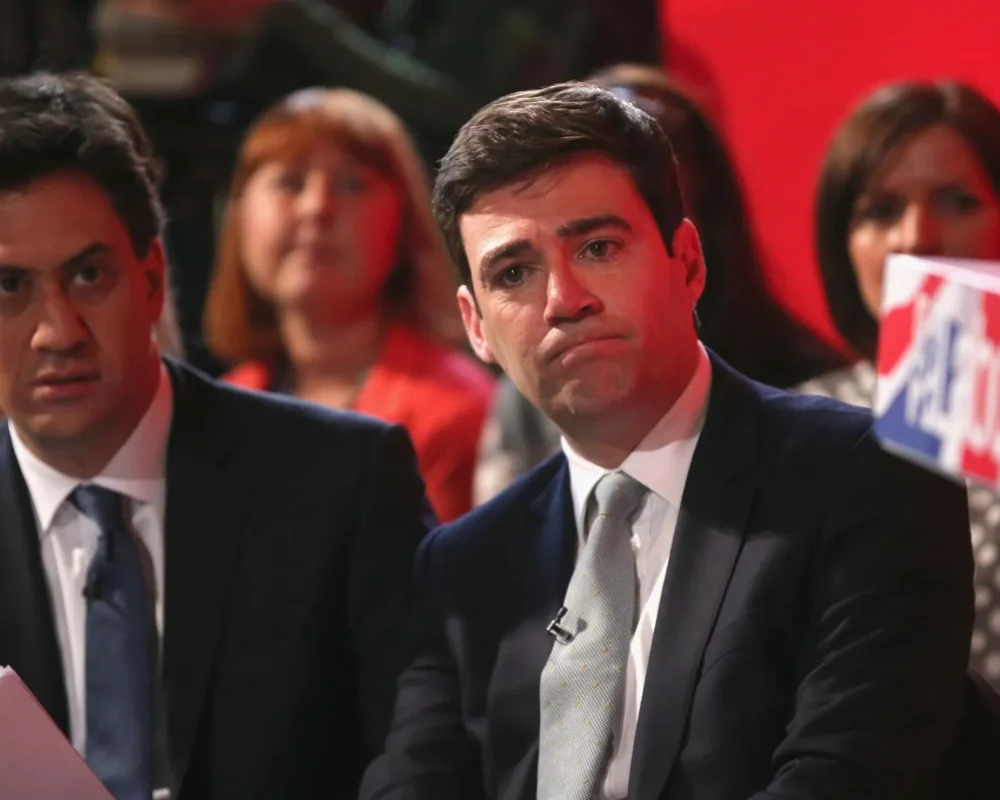
It’s not often that a Labour announcement reminds you of music. Reading Andy Burnham’s confirmation of his commitment to Net Zero in the Guardian last week, I couldn’t help but think of The Who’s 1971 epic rocker ‘Won’t Get Fooled Again’. Within it are the lyrics: ‘And the world looks just the same, And history […]

It reads like a horror story. A tiny baby projectile vomiting for four feet. Sinister rashes moving across newborn skin. A shifty nurse hovering over the cot of an infant with blood around his mouth. The looming threat in these sentences: ‘Mother D could see her daughter looked better and so went back to bed. […]