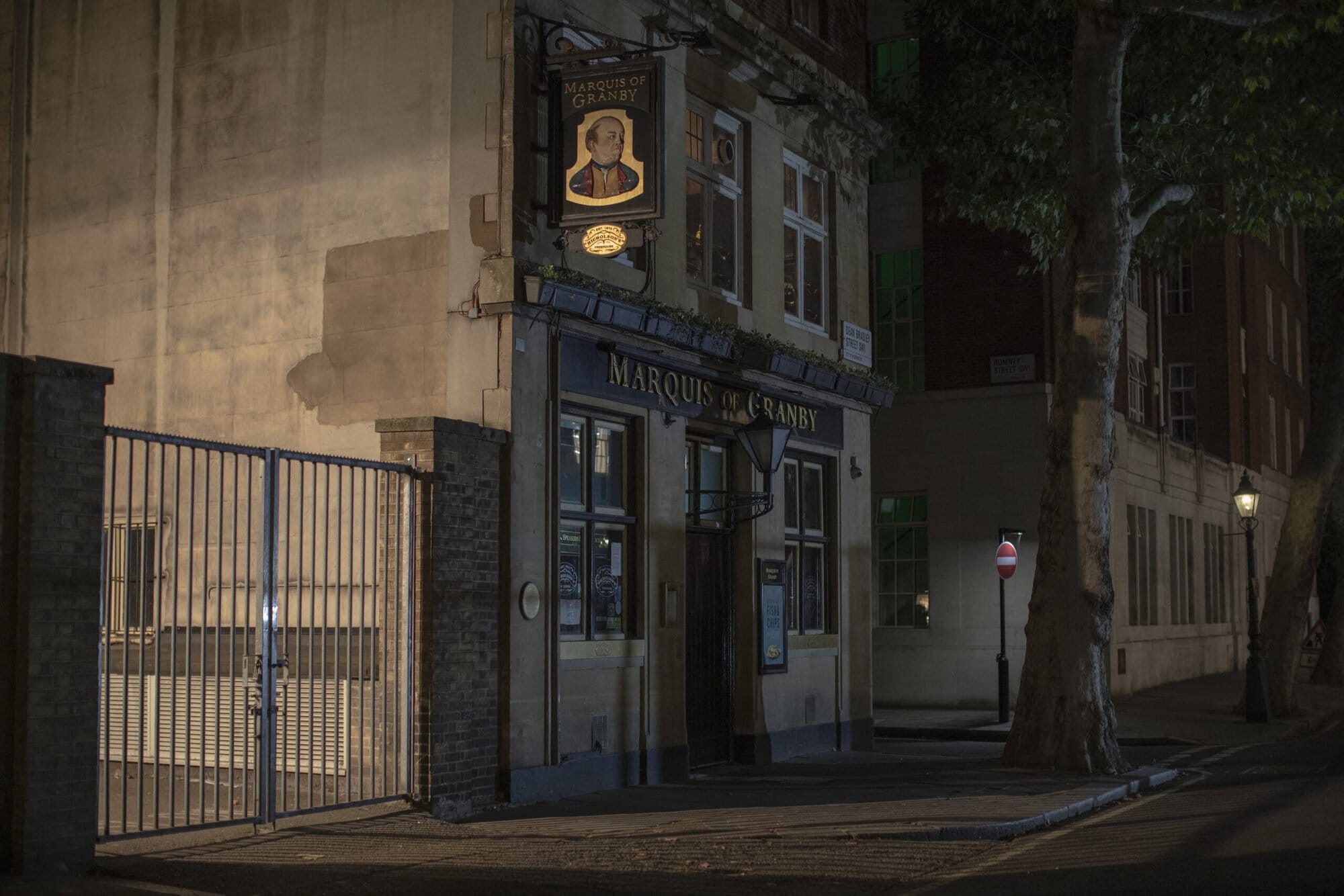
How come it takes a local pub committee a few hours to decide on next week’s local ales, menu specials and roof repairs, yet it takes a local council many months to decide on pothole repairs? Some may object to my rather silly question: pubs and councils are too different to compare due to their purpose and scale. I concede that the scales in which the two institutions operate are vastly different. However, at its core, the problem of the councils isn’t their size, but rather their structure. How local pubs operate manages to capture centuries-old British traditions of self-governance; boozers are not relics of the past, but a practical model based on libertarian values of decentralisation, voluntary cooperation and self-regulation. These are principles that we ought to apply to our modern-day political bodies.
Pubs embody the kind of bottom-up governance that trusts individuals over authority. Pubs reflect the vestry system – an old English tradition of local governance where decisions were made openly and by consensus, not imposition. The vestry system organised local government units via direct citizen involvement. This form of governance resembles parliament’s early function as a forum for representation and consent, rather than a centralised body that imposes legislation on a nation’s people. Both the vestry and early parliamentary model understood the importance of limiting top-down power. The combination of consent and contribution of the vestry and pubs has the same rhetorical appeal as the ‘rights of members’ Parliament used against the Crown.
From the 17th to 19th centuries, pubs also functioned like mutual aid societies, offering community welfare through pooled contributions and elected stewards. The purpose of the pub, and how it is managed, is also similar to the greater purpose and operations of parliament as well. The local pub would be the informal assembly point where local news was swapped, disputes were settled and charity raffles were run. Even on the operations side, the publican would only act as an impartial chair of the meetings, and patrons of the pubs would enforce appropriate pub etiquette; not missing out on your round, minding your own manners and respecting the pub staff. This made pubs natural venues for 17th-century political clubs, where local governance was exercised informally. Pubs, parish halls and parliament would act via this ethos of voluntary guidance.
Despite their roots, unfortunately both the state and the pubs have now transformed into the structure of a nanny state, pursuing more centralised power.
Regarding pubs, many moved away from the independently governed system, opting for a centrally governed system via companies such as Greene King or Fullers. This transformed the governing system of pubs to be more bureaucratic and inefficient – it also destroyed local culture, local markets and local history. Similarly, governments also expanded through the establishment and growth of the welfare state, as services such as the NHS expanded state control over health and social insurance. This also crowded out voluntary mutual aid societies and resulted in an over-dependence on centralised systems, rather than community cooperation, where the individuals had the freedom to choose.
Local governments are hamstrung by national regulations and funding cuts, which makes it harder to deliver on issues that matter locally. Centralised control weakens civic trust and local responsibility, turning citizens into passive recipients rather than active participants.
Fundamentally, by decentralising fiscal power and trusting local governing bodies and individuals, we can empower local institutions to raise and spend their own funds. This would also allow communities to innovate and adjust their behaviour according to local needs. Supporting local businesses through peer enforcement and community norms encourages market competition and reduces bureaucracy. By rejecting the model of one-size-fits-all governance, communities can address problems using their local knowledge, free from bureaucratic inefficiency.
Though seemingly unrelated, the origin stories of both pubs and parliament show how decentralised, voluntary institutions can foster accountable governance. Communities don’t need centralised bureaucratic ministries. What they need are spaces like pubs and parishes, where people take individual responsibility and work together according to local needs. Not because they are told to do so, but for the love of their own community.