This high-tax Government is walking an economic tightrope
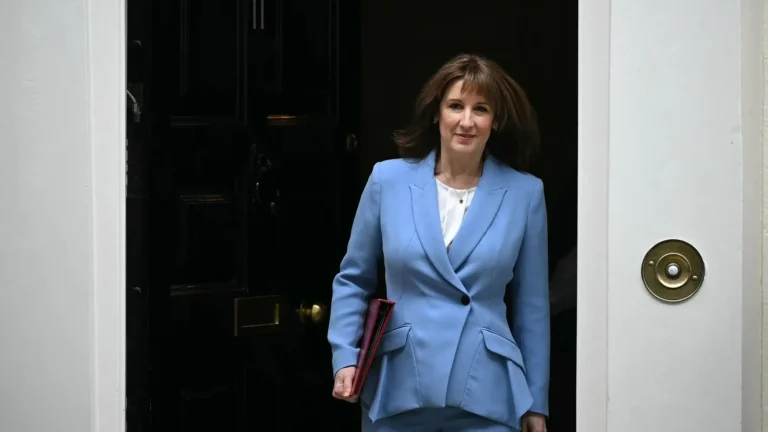
Photo: JUSTIN TALLIS / AFP via Getty Images
There were no new policies announced in today’s Spring Statement, so in economic terms, all eyes were on what the Office for Budget Responsibility (OBR) would say in its revised forecasts. As always, there was some significant stuff to see. The core story was one of things getting worse before they get better. And only getting better if some pretty implausible changes happen just before the next general election. Let’s understand why.
First, GDP growth. That is expected to fall this year, to 1.1% from 1.4% in 2025, but then rise in later years of the Parliament. Unemployment is similarly expected to rise (to 5⅓%) this year, then fall to 4.1% later in the Parliament (indeed, unemployment is already comfortably above what the OBR forecast would be the peak only last November).
The budget deficit is forecast to fall from its 5.2% level of 2024/25 to 1.6% in 2030/31. The OBR reports that four fifths of that reduction is scheduled to occur via tax rises. Some readers will remember that in the early 2010s, the Osborne government adopted a rule (invented by someone whom modesty prevents me from naming) that in significant fiscal consolidations, 80% should be spending cuts and 20% tax rises – a rule that the IMF subsequently adopted as standard best practice. The UK is precisely inverting that ratio on this occasion. Perhaps because the level of deficit reduction envisaged is fairly modest (2.7% of GDP) it might get away with that.
However, there are two other big problems with the plan. First, getting the deficit down in such a tax-heavy way means raising the tax to GDP ratio from a planned 36% this year to 38% in 2030/31, almost 6 percentage points above its pre-pandemic level. Maybe that planned 36% will be achieved, though taxes were scheduled to rise relative to GDP in 2024/25 but in the end fell. We’ll see. But the hope that the UK economy can continue to produce totally historically unprecedented levels of tax to GDP for five further years without triggering a recession that would drag taxes back down must be optimistic (if that’s the word).
A problem just as big if not bigger is that the Chancellor’s plans imply departmental spending cuts from 2028/29 onwards, along with large tax rises in those years. So Labour are scheduling going into the next election on the basis of ‘we’re cutting spending and raising your taxes – vote for us!’ If you believe Labour backbench MPs are going to agree to do that with Reform leading in the polls and the Green Party already 5% ahead of them in some opinion polls, then you’ll believe pretty much anything in politics.
Another interesting area is migration. The OBR devotes a box to the relationship between net migration and GDP per capita, having noted that it is assuming there will be net outflows of British nationals 50,000 a year higher on average than in its previous forecasts. It quotes a Migration Advisory Committee report finding that if migration had been more restrictive from 2004 to 2018 then real GDP per capita would have been around 0.5% higher and a NIESR report that flat population growth out to 2024 could mean 2% higher GDP per capita. It then analyses various mechanisms by which net immigration might affect productivity growth, with one of the most important being something that my team have previously modelled in Switzerland: net immigration often isn’t associated by a matching inflow of capital (partly because immigrants tend to have less capital than the pre-immigration population). So higher net immigration, at least when associated with a rising population, tends to mean a reduction in capital per worker. That in turn means lower productivity growth (as well as having implications for salaries). The OBR says it will publish a more detailed analysis of the long-term implications in the coming months.
Overall, the picture painted looks precarious and supported by some politically implausible timetabling. And that’s assuming Starmer and Reeves survive to do any of it. Que sera, sera.

‘A Waiter in Paris’ is the story of a young Englishman who graduated from a good university in London with a humanities degree, trained and educated for a world that no longer exists. ‘All while I applied for other, more “prestigious” jobs. Jobs that didn’t appear to exist anymore.’ That’s how Edward Chisholm puts it […]
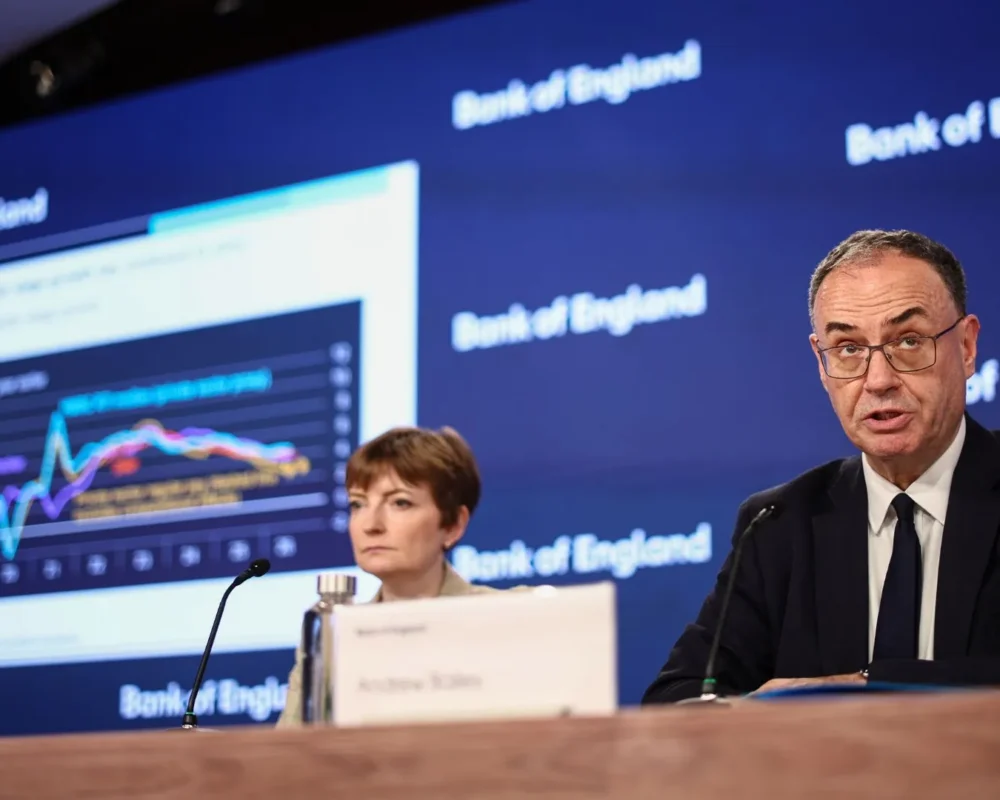
Few people enjoy gazing into the crystal ball more than economists. Attempting to divine the future, otherwise known as forecasting, is a numerically intensive pastime of many people in the profession. It is also a common mandate of many state institutions. For instance, the Office for Budget Responsibility (OBR) produces aggregate forecasts of government receipts, […]
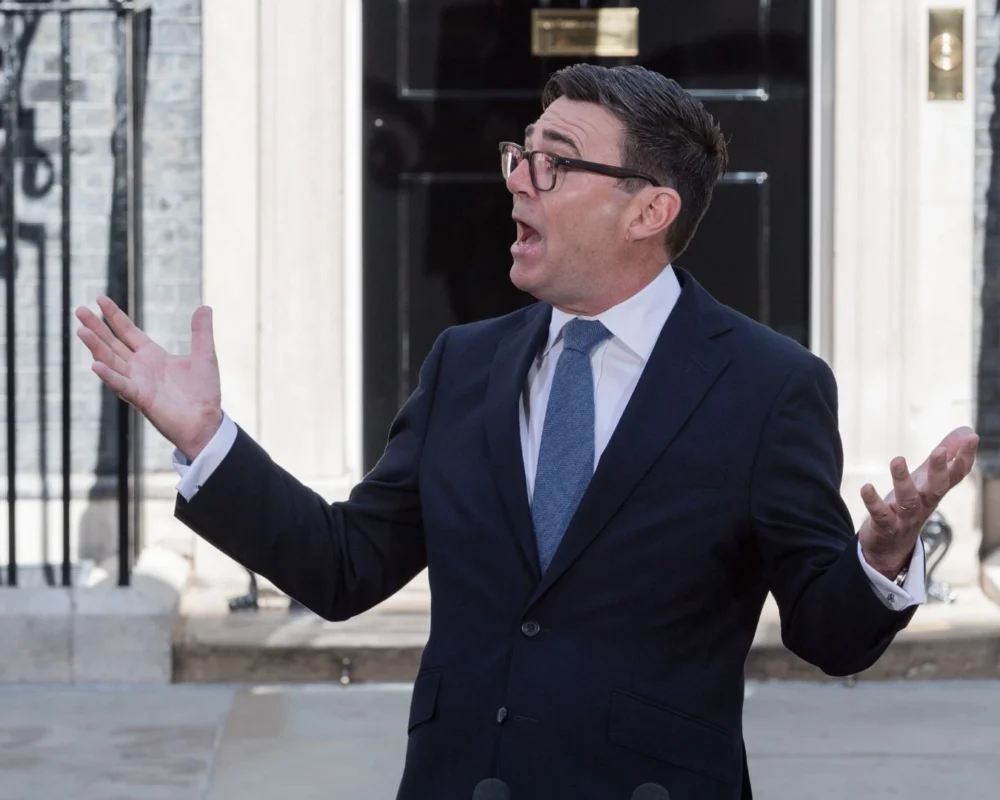
Andy Burnham may have stumbled on the most effective way yet of prolonging Britain’s managed decline: make people feel that something fundamental has changed when much of the machinery underneath has not. His first speech as Prime Minister was full of ‘common purpose and positivity’, getting Britain to ‘start to believe again’ and ‘bringing back […]