The King’s Speech confirms that Starmer is our safest bet
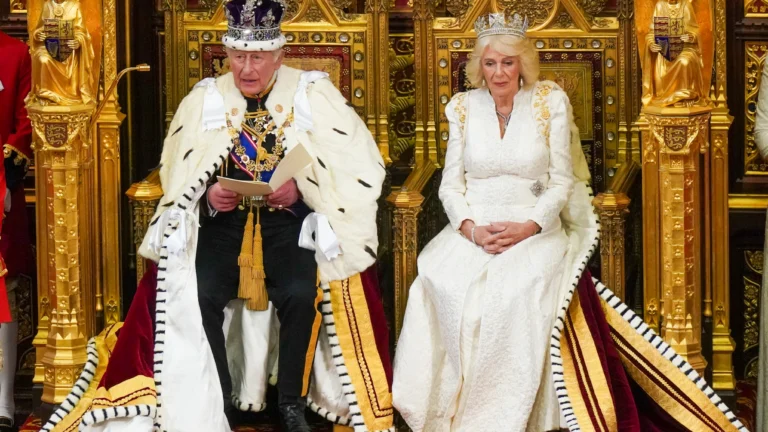
Arthur Edwards - WPA Pool/Getty Images
This was not the King’s Speech Keir Starmer imagined it would be. The crisis engulfing the Prime Minister has become so terminal that Buckingham Palace even questioned whether it would be appropriate for the King to speak at all.
But Starmer hasn’t maneuvered himself to the top job for nothing, and he patently won’t go down without a fight. So the show goes on, and as did the King’s Speech.
Setting out the Government’s agenda, King Charles outlined 35 pieces of legislation that Starmer – if he lasts for long enough – believes will transform Britain’s fortunes.
One of the greatest obstacles to this administration’s success has been its confused approach to the economy. Before the election, we were promised a government hell bent on achieving growth, that would make the tough decisions necessary to achieve it. But what did we get? Job-killing workers’ rights legislation, tax hikes and yet more unproductive public spending.
If the reopening of Parliament was supposed to mark a radical new departure, it certainly did not deliver.
In the section of the speech titled ‘Strengthening our economic security’, a number of measures were mentioned, the most important of which were the Steel Industry (nationalisation) Bill and the European Partners Bill.
As Eliot Wilson outlined on CapX this week, the Government’s ‘plan’ for steel nationalisation is risible. Rather than saving British Steel, placing the company entirely into state hands won’t change a thing. Despite the fact there is little evidence that the UK is capable of producing steel at an internationally competitive level, Starmer seems to think that he can run British Steel better than the private sector. We can already see the negligible impact nationalisation has had on steel production in Scunthorpe, where the Government is running the steel facility. Despite having spent hundreds of millions in taxpayers’ money on keeping the plant open, there has been no radical increase in production.
The European Partners Bill is similarly mind-boggling. You might remember that in her Mais Lecture earlier this year, Rachel Reeves managed to pin all the blame for Britain’s economic misery on Brexit, rather than take any responsibility herself. This Bill is merely the continuation of that misplaced attitude. Although dressed up as a way to remove trade barriers between us and our European neighbours, the reality is that it would tie us back to a bloc that has averaged a pathetic 1% annual GDP growth for the last 20 years. This is not a recipe for prosperity at home. Far wiser would be to use the regulatory freedom given to us by Brexit to pursue pro-business, pro-growth reforms of our own.
Nowhere was there a serious explanation of how this Government would lower our eye-watering welfare bill and in the case of the Overnight Visitor Levy Bill, Labour even raised some taxes. And then there was the commitment not to expand drilling in the North Sea – which in the midst of an energy crisis feels downright bizarre, not to mention hugely damaging.
Yet disappointing as this Government has been, and likely will continue to be, it cannot be stressed emphatically enough that Britain could decline even more sharply under a new Labour leader.
In a perceptive tweet, the economist Simon French highlighted four economic schools of thought within the Labour Party: the Status Quo (what we have at the moment – policies ranging from manageably damaging to underwhelming and a vague commitment to stability, investment and reform); the Labour Growth Group (laser-focused on supply-side reform as described in the caucus’s big report, ‘An Honest Day’, released this week); Tribune (think Corbynism and wealth taxation); and Mainstream (backers of Andy Burnham who believe that state control of major industries is key to economic growth).
You may well feel that Starmer deserves to go, and he probably does. The man has consistently demonstrated his abject lack of political nous and failed to transform Britain’s economy and his party in the way he promised. However, the chances are that in the event of a coup, it wouldn’t be the Growth Group that would take over.
Of all the potential successors, Andy Burnham currently has the shortest odds at the bookies at 9/4. While Wes Streeting – the most tolerable to a right-winger owing to his reformist approach to the NHS, and whose resignation allies claim is imminent – comes second, the remaining favourites are Angela Rayner and Ed Miliband, both decidedly from the Left of the party.
After the cost of borrowing rose yesterday when Starmer’s position looked fragile – with some investors warning of a Truss-style meltdown – the bond markets have signalled their preference for a continuation of the status quo over an unpredictable left-wing upstart.
I’m inclined to agree. Loathsome as I find the empty rhetoric and sanctimony of this Government, it remains preferable to many of the likely alternatives. No one in their right mind would claim that the Starmer administration has been impressive, nor would they claim that today’s King’s Speech inspired much enthusiasm. But in times as economically and geopolitically uncertain as these, we may be better off sticking with the devil we know.


Picture the scene. A new Labour leader delivering his first speech as Prime Minister to the party conference, two years after a general election victory. The fiscal backdrop is poor, financial markets are not convinced by the credibility of UK economic policy and there is a deep divide between what his MPs want and what […]
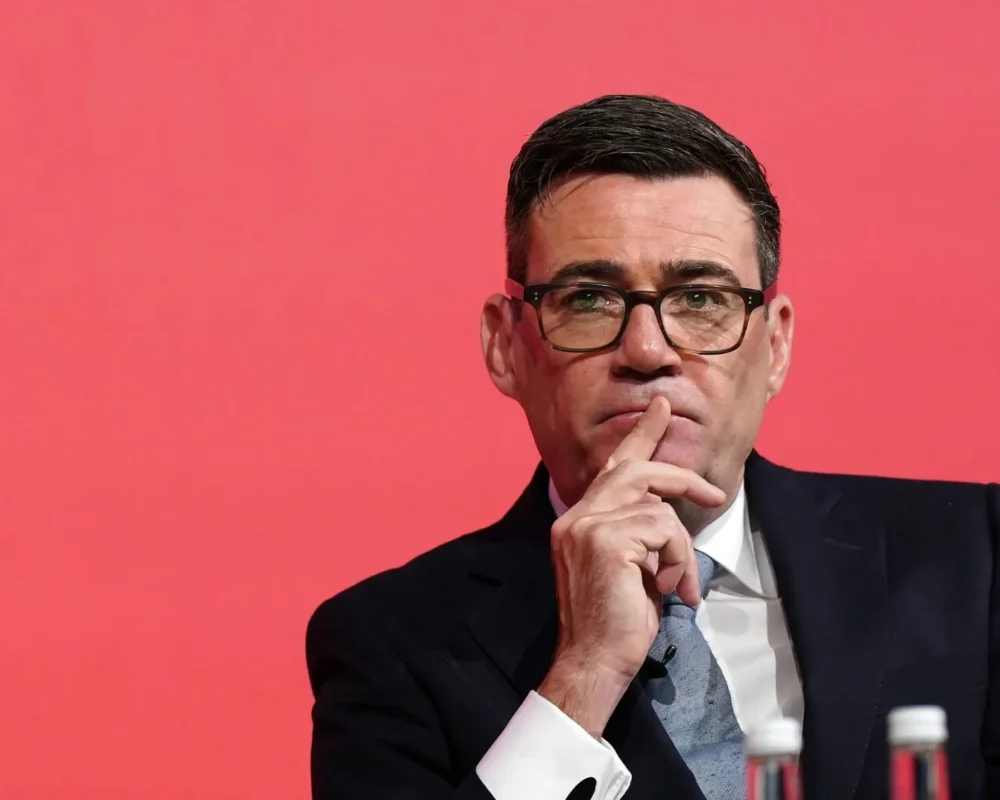
The King of the North has spoken. In an emotive speech, Andy Burnham yesterday set out his vision for Britain. The Prime Minister pledged to put Britain ‘on a new path’, and cursed Margaret Thatcher and the 1980s for killing ‘working-class aspiration’. What lies down this new path? A route back to the decade that […]
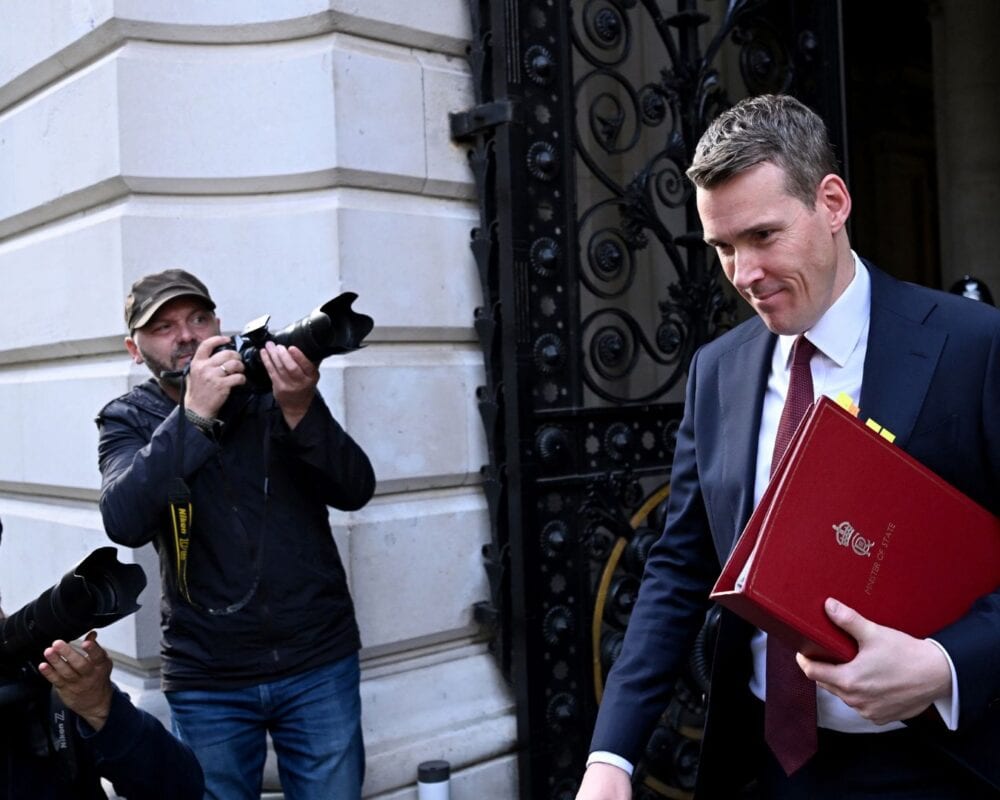
Among the eye-catching announcements from the Labour Party Conference in Liverpool is a proposal to allow councils to seize privately owned homes. Matthew Pennycook, the Housing Minister, tweets: ‘It’s not a silver bullet, but bringing more empty homes back into use can help solve the housing crisis. Today, we’re announcing strengthened powers for councils to […]