Our politicians need to get off the hamster wheel
Kin Cheung- WPA Pool/Getty Images
September 2023: what a time that was to be alive. Aerosmith began their final ever tour, Kim Jong-Un arrived in Russia for an audience with Vladimir Putin and Rupert Murdoch stepped down from the boards of Fox and News Corp. It was a good month for news.
Yet that month another turning point in world events went unreported. I wrote my first piece for CapX as Deputy Editor.
It was prompted by a Centre for Policy Studies event discussing the Office for Budget Responsibility’s ‘Fiscal risks and sustainability’ report – a 50-year projection for the UK’s public finances.
The conclusions drawn were predictably grim. Due to our ludicrously high debt-to-GDP ratio, driven to unsustainable levels due to the failure of our political class to tackle welfare spending, Britain was heading deeper into the red.
This was my highly original take:
‘Welfare reform must be coupled with tax simplification to stimulate investment. Take corporation tax, for example, which currently stands at 25%. It should have been slashed long ago to make Britain a more attractive place to do business. Our Irish neighbours took the initiative and reduced their headline rate to 12.5%, ushering in a wave of investment from overseas. Taking fiscal policy off of autopilot and making bold changes such as this will be fundamental to our economic growth.’
Over two and a half years later, has Britain even started the long-term economic thinking that could drag us out of this quagmire?
Rachel Reeves has been a friend to business in the way Brutus was a mate of Caesar’s
Back then, the Tories were still in government, although it was clear they wouldn’t be for long. For almost 14 years at that point, the Conservatives had promised to improve Britain’s economic fortunes. Under David Cameron and George Osborne, the Office for Budget Responsibility was established to mark the government’s homework, ensuring policies were costed and spending was kept in check – fat chance.
After Cameron, the process of ending ‘austerity’ began under Theresa May and reached its crescendo under Boris Johnson, who brought the tax burden to a record high – even before the Covid pandemic – while increasing NHS spending to levels greater than even Labour promised in 2017. Then came the Liz Truss disaster. By the time Rishi Sunak became prime minister, the Tories’ fate was as good as sealed.
Though the economy was in a period of relative recovery by the time of the general election (GDP growth in the three-month period to June 2024 was a whopping 0.6%), Britain was in a slump, and it was little wonder people were willing to give Labour a chance.
‘It’s nice isn’t it. The quiet,’ tweeted left-wing political commentator Otto English following Keir Starmer’s victory. The adults had returned to tidy up the rubbish left by the children. The sleaze and scandal that marred the Conservatives would be no more under Labour. Nor would the new lot fall foul of the same policy errors as their predecessors.
Labour were brought to power in part as a collective punishment inflicted on the Conservatives by the electorate, but also because they were supposed to be the party of economic growth.
At the centre of their offering was a housebuilding revolution that would finally fix our broken property market. Unlike the Tories, many of whom had been captured by the narrow interests of the elderly, propertied classes, Labour promised to stare down the Nimbys and deliver the most radical planning reforms of our lifetime. To quote their manifesto: ‘Labour will get Britain building again, creating jobs across England, with 1.5 million new homes over the next parliament.’
Despite Labour’s experimentation with the extreme Left under Jeremy Corbyn in Opposition, this new Government was, it seemed, going to follow in the Blairite tradition when it came to business. Rachel Reeves was on a City charm offensive before the election, reassuring business leaders that she would take a positive approach to the private sector.
I’m sure when you look around at all the lovely new houses and read headlines celebrating the most dynamic labour market in years you can see the results of their hard work. Ha. Ha.
Not only is housebuilding in London falling to levels not seen since the Second World War, but experts now agree there is no change whatsoever of the Government meeting its housing targets: indeed, the industry is in despair. More broadly, Reeves has been a friend to business in the way Brutus was a mate of Caesar’s. The Employment Rights Act and increases in National Insurance and the minimum wage have forced businesses to cut back on hiring, which has been felt particularly acutely by young workers.
This is my last piece as CapX’s Deputy Editor – though not my last for CapX, as I will continue contributing even after I leave the staff this week for pastures new. So, in those two and a half years, have our politicians made the changes Britain needs? The answer is a resounding ‘no’.
Our leaders are still on the hamster wheel, responding to the same rotten, short-termist incentives as they always have. And as an increasingly desperate public turns its attention towards fringe parties on the Right and Left, we are at a crossroads.
What is needed is a radical, at times painful, approach to the economy that would finally put us on a sustainable fiscal path. Whereas what remains popular among politicians is empty promises and soundbites, which only lead to stagnation. I’m not sure how much more of the latter our country can take.

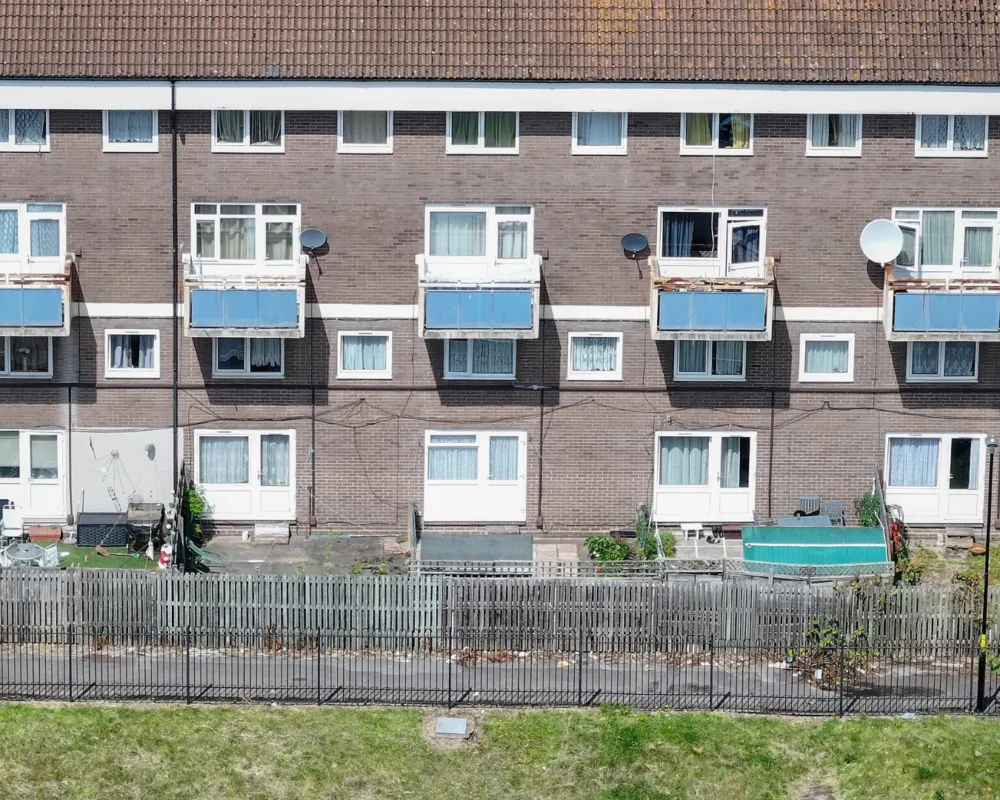
According to the Government, England is about to spend £39 billion on social housing. That may be just the start. Andy Burnham, the frontrunner to replace Keir Starmer if he wins this Friday’s Makerfield by-election, has made a large-scale expansion of social housing central to his pitch. Yet the discourse around this number focuses almost […]

Artificial intelligence is already reshaping policing, and the recent row over the Metropolitan Police’s blocked deal with Palantir shows how far politics is lagging behind operational reality. If we are serious about protecting frontline officers and visible neighbourhood policing, we should embrace carefully regulated AI as a force multiplier that releases cops from analogue bureaucracy […]
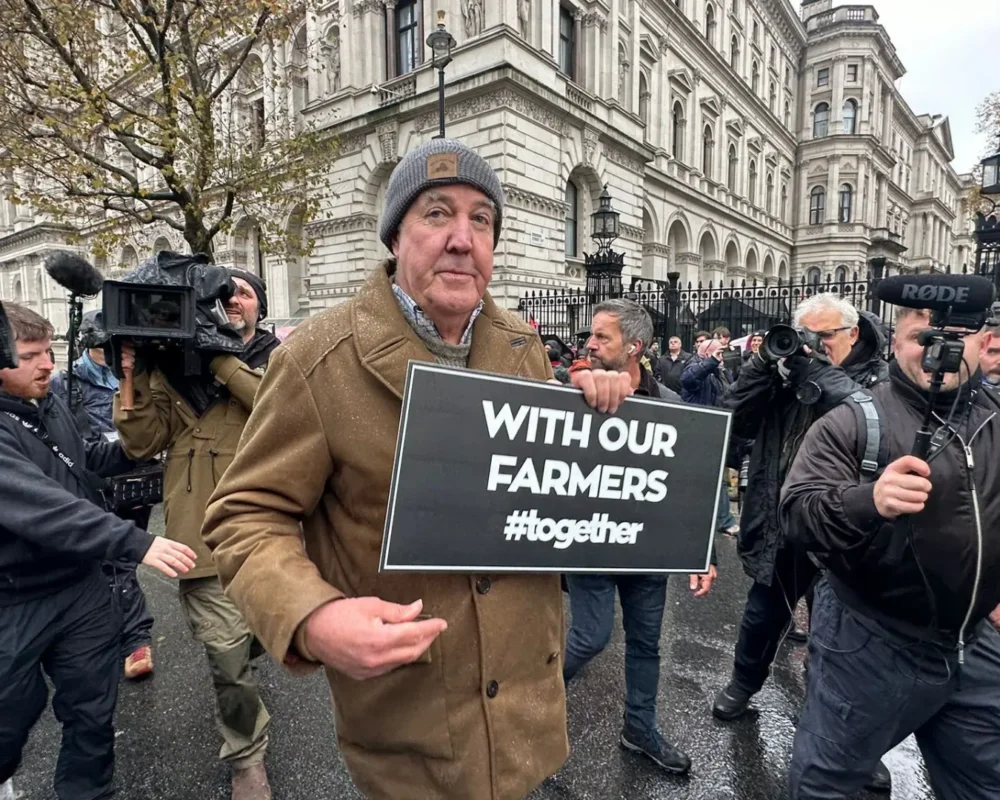
Viewers of ‘Clarkson’s Farm’ – now back for another season – will be familiar with Jeremy Clarkson’s long-running battle with the bureaucrats of West Oxfordshire District Council. When his Diddly Squat farm shop boomed, the council dragged their feet over planning permission for a car park extension, bizarrely decreed he could only sell goods from […]