What Clarkson’s Farm reveals about rural Britain
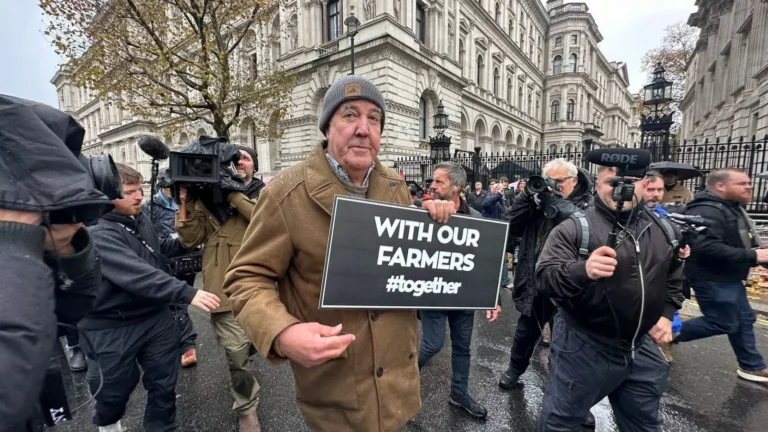
Aysu Bicer/Anadolu via Getty Images
Viewers of ‘Clarkson’s Farm’ – now back for another season – will be familiar with Jeremy Clarkson’s long-running battle with the bureaucrats of West Oxfordshire District Council.
When his Diddly Squat farm shop boomed, the council dragged their feet over planning permission for a car park extension, bizarrely decreed he could only sell goods from no more than 16 miles away and blocked his application to convert a shed into a restaurant lest its customers tarnish an Area of Outstanding Natural Beauty.
At every step, Clarkson faces a bureaucracy more concerned with following procedure than creating jobs. That is the problem rural businesses across the country face: they are completely disincentivised from taking risks.
Steve Reed, the Local Government Secretary, has floated devolving responsibility for setting business rates – and spending the revenues they raise – to regional mayors. This makes a degree of sense; local leaders know what works for their economies better than Whitehall officials. The test will be whether they use this extra money to help rural businesses go for growth.
The countryside is awash with entrepreneurial spirit, but the system makes bumping along the logical choice. I was talking to the owner of a farm shop recently. Despite the huge demand for his produce, he only opens one morning a week. The additional costs in business rates, compliance and licensing would wipe out any increases in profit he’d make by expanding.
The stats bear out this cautious approach. Despite being home to 22% of England’s businesses, rural areas generate only 12% of its GVA. And, although they survive for longer, rural enterprises grow more slowly than their urban equivalents.
If a farmer wants to turn a barn into a shop, the presumption should be yes
As Clarkson found, our moribund planning system is a heavy anchor on progress. Research from the Country Land and Business Association found that some rural councils refuse half of all planning applications, while others allow them to drag on for years without resolution.
Take the Northumbrian Peter Hogg. When he attempted to convert a disused farmhouse into a B&B, a dispute over the addition of a small sunroom took 18 months and cost him more than £30,000 in lost revenue. The sunroom in question took two weeks and cost just £800 to build.
Business premises and housing for families are part of the same problem. In the inverse of what you might expect, rural firms are more likely than urban ones to cite a lack of affordable housing as a drag on their growth ambitions. Predictably, poor broadband connection is another frequent gripe.
The system needs a healthy dose of common sense. If a farmer wants to turn a redundant barn into a shop, café or a small number of homes, the presumption should be yes. Councils should adhere to fixed planning deadlines. If they miss them, permission should be treated as granted rather than left hanging indefinitely.
Clarkson has also drawn attention to the sorry state of the infrastructure rural businesses are forced to depend on. Bogged down in a thicket of regulation and inspection fees, abattoirs are shutting at a rate of 10% a year, with Clarkson’s local, Long Compton in Shipston-on-Stour, among the casualties. This has left some farmers travelling more than 200 miles to slaughter their animals, an additional cost that renders selling their meat to local restaurants, shops or consumers commercially unviable.
Nor is the problem limited to farmers. Clarkson’s pub, the Farmer’s Dog, has shown the spiralling costs successful rural businesses face. He was quoted £200,000 for a grid upgrade necessary to power the pub’s kitchen equipment and forced to spend a staggering £1,500 a day on parking attendants ‘to keep the council off our back’.
The average profit on a pint is just 12p. On that margin, the Farmer’s Dog would need to sell more than 13,000 pints a day to cover the cost of running its car park. It’s no wonder the business lost more than £8,000 in its first three months of trading.
If regional mayors end up with the power to spend the rates they raise, they should invest in the shared resources rural businesses need to grow: cold storage, commercial kitchens, distribution hubs, abattoirs, packing facilities and better broadband.
But infrastructure is only half the battle. A farmer trying to open a shop or café has to overcome an assault course of officialdom: an environmental health officer needs to inspect the kitchen, the planning department must be consulted over a change of use, highways officers over access and parking, the rates team over business rates and licensing officers over alcohol or street trading.
Clarkson had the time and money to do this. Most farmers don’t. So they decide it’s not worth bothering. That’s why local authorities should create one front door for businesses, one checklist, and one named officer whose job is to help them grow, rather than burying them under a mountain of paperwork.
If Diddly Squat is eventually swept into a Thames Valley mayoralty, the campaign slogan writes itself: Clarkson for Mayor – bulldoze the bureaucracy, back business and get building.
The man himself is unlikely to trade the tractor for the town hall. But our next generation of mayors still need to channel their inner Clarkson and plough through the red tape. If they fail to do so, the rural economy will stay stuck in the mud.
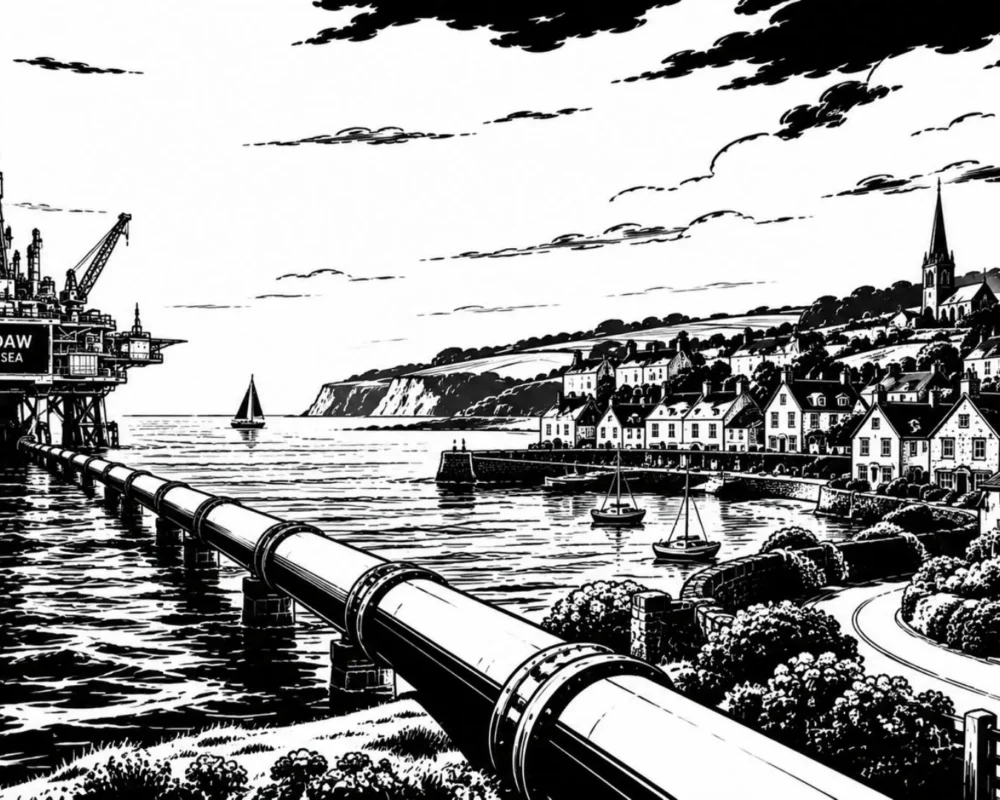
The Government has finally bowed to common sense and given the green light to the Jackdaw gas field in the North Sea. It’s the sensible move and a good start, although a decision on Rosebank is not yet forthcoming. Given the resistance both projects have faced, it’s worth setting out why Jackdaw’s approval is good […]
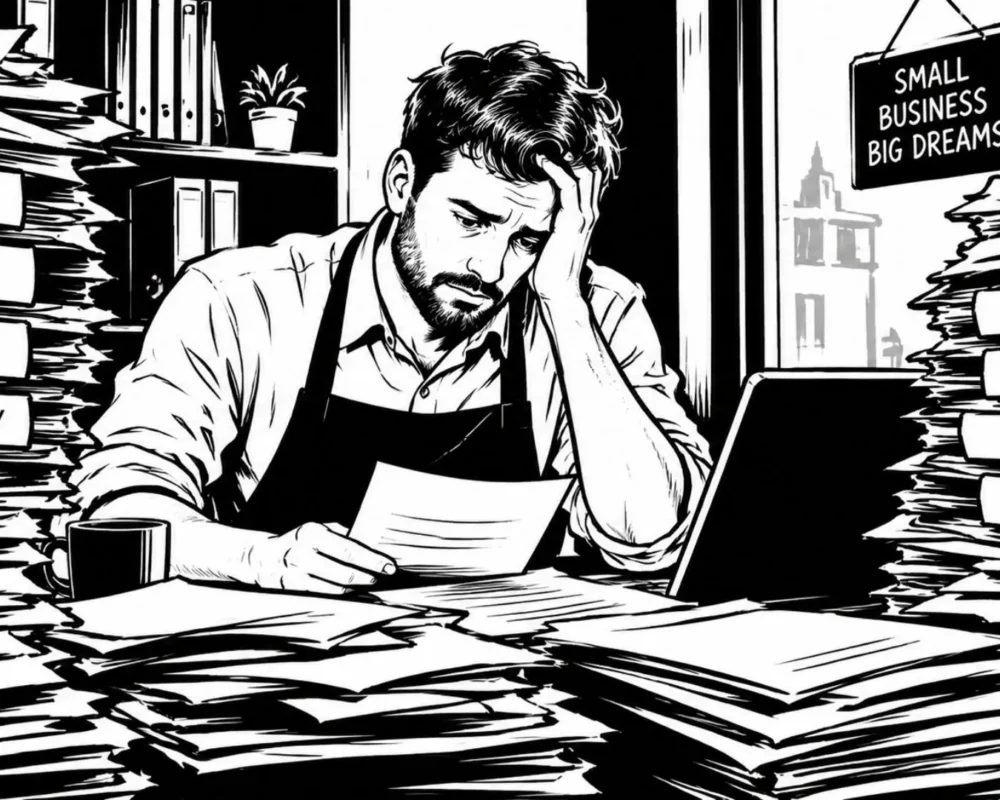
The lifeblood of the economy. The backbone of Britain. When it comes to small businesses, it’s easy to lapse into cliché. But that’s because they really, really matter. The overwhelming majority of businesses in Britain are small businesses. They employ more than 13 million people. And it’s almost impossible to exaggerate how tough things are […]
Britain was the cradle of the Industrial Revolution – where cheap, abundant coal fuelled the inventions that built the modern world. Those breakthroughs – railways, modern medicine and electricity – transformed humanity. But we often forget that it was energy, our ability to produce it and (crucially) to store it, that made all of this […]