Nationalising Thames Water would sink Burnham
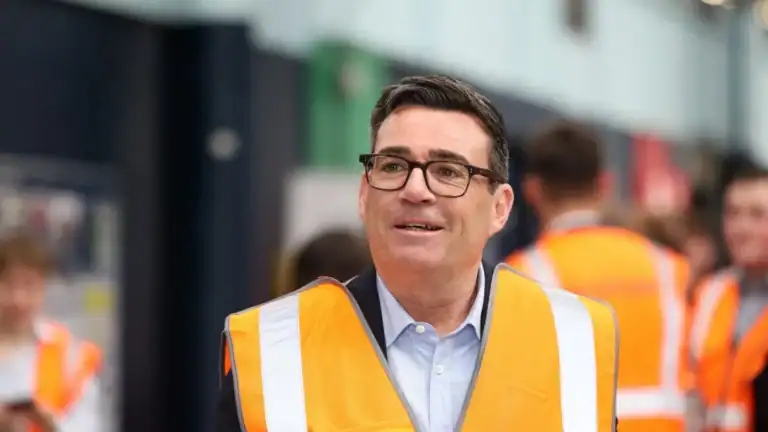
Temilade Adelaja - WPA Pool/Getty Images
In his first days as Prime Minister, Andy Burnham announced a series of populist pledges that purport to address the cost of living, but fail to address the deep structural issues afflicting the British economy.
Burnham will soon discover – like the four short-lived predecessors who held office before him – that the voters of London, Liverpool and Lanarkshire have little patience for expensive giveaways but demand real action to kick-start the UK’s sclerotic economy.
The Prime Minister’s first major policy announcement suspends VAT on electricity bills for six months from October – taking £45 per year off the average bill at the cost of £850 million to the Exchequer, a saving forecasters expect to be swallowed whole by October’s price cap rise.
His second major policy announcement will see bus fares capped at £2 outside London in 2027. A noble idea, no doubt, but one that will cost more than £500m and won’t affect the cost of a ticket for voters in major metropolitan areas – including Liverpool and Manchester – that have already introduced price caps.
At the same time, the one policy Burnham floated that could have materially impacted people’s livelihoods – raising the personal tax threshold above £12,570 – has been indefinitely put on hold.
The issue for Burnham is he’s already spent over £1.3 billion on policies that do nothing to stimulate economic growth. It’s money that could have been spent opening up North Sea oil or bolstering the UK’s domestic defence industry. It’s money that could have been invested in valuable infrastructure projects across the north of England, unlocking further growth for his support base.
Burnham’s real forbidden fruit is Thames Water, London and the Southeast’s water supplier that’s struggling under a £20bn mountain of debt.
There’s predictable excitement on the Labour benches over the prospect of nationalising Thames Water. I was a central London MP for 18 years, and I fully understand the public’s frustration with the company. I received countless letters and emails from constituents concerned with issues ranging from sewage discharge and operational failures, to the excessive pay of senior directors.
But nationalising Britain’s largest water company comes at a £43bn price tag: £20bn in likely compensation to the company’s private creditors, and a further £23bn in infrastructure upgrades required by 2030.
Welsh Water is touted by proponents as the model for mutualisation … but Welsh customers are tipped to have the highest water bills across England and Wales by 2030
The great irony is, of course, that the astronomical costs required to nationalise the company will be borne equally across the UK, including by Burnham’s northern supporters who have placed their faith in him to direct investment away from the south.
It’s no hair off the back of my former constituents, of course, but I cannot imagine the voters of Makerfield will be best pleased to see their taxes being spent on an enormously complex infrastructure project benefiting London and the home counties.
An alternative route forward for the industry, recently endorsed by the Labour-aligned Good Growth Foundation and backed by three Yorkshire mayors, is mutualisation, a structure that would see water co-owned by customers.
But in the case of Thames Water, it’s a non-starter. The company’s £20bn debt pile would simply be transferred to the customer, necessitating a steep rise in customer bills to cover its interest. Mutualisation also fails to secure the billions of pounds of equity necessary to fix Thames Water’s ageing infrastructure, again transferring these costs to the customer.
And there’s no guarantee a mutualised Thames Water would be run any better. Take the example of Welsh Water, touted by proponents as the model for mutualisation. The company was recently hit with a £44.7m enforcement package by Ofwat for poor environmental performance, and Welsh customers are tipped to have the highest water bills across England and Wales by 2030.
As the costs for turning around Thames Water run significantly higher, this is surely a harbinger of the fate that awaits London and the Southeast.
Burnham was elected leader of the Labour Party on a promise of reconnecting the party with its northern roots. It’s puzzling that, in his first acts as Prime Minister, Burnham has turned on the spending taps so brazenly without even a nod to the voters he’s meant to reconnect with.
The trouble for Burnham is that money in this country is in desperately short supply.
Suspending VAT and capping bus fares were self-indulgent, but nationalising Thames Water would fatally undermine his premiership. If Burnham is to avoid the fate of his predecessors, he must refocus on economic policies that stimulate growth and resist any further damaging populist pledges.

Britain is looking for the effects of artificial intelligence in all the obvious places: redundancies, vacancies and unemployment numbers. So far, there is little evidence of dramatic change in overall headcount. The Office for National Statistics reports that most British businesses using AI have not changed the size of their workforce, even as AI adoption […]
Andy Burnham used the Labour Party conference in Liverpool this week to commit the Government to a National Care Service, universal and free at the point of use, while promising to ‘stick to our fiscal rules to get borrowing and debt down’. The service is due in the next Parliament and is supposed to be […]
A year ago I ended the Growth Commission’s annual Growth Budget with the prediction that if the then Chancellor Rachel Reeves continued with her policy of tax and spend, she – or more likely her successor – would be back in a year’s time asking for more. So the Government can’t say that they weren’t […]