The Price Mechanism: Maths vs. the nanny state
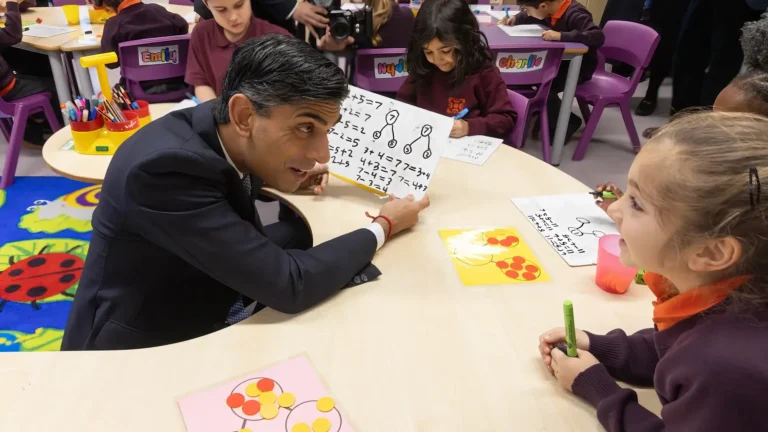
Photo by Richard Pohle - WPA Pool/Getty Images
For my last column of the year, the editor of this fine publication asked that I try to inject a spot of early Christmas cheer, and offer some reasons to be positive and hopeful as we lurch into 2026. Amid the doom and gloom of Labour’s Britain, I thought initially that the task might be hopeless.
I then realised that he was just surreptitiously trying to warn me about another risk to liberty. Last week, the Government launched a consultation on the use of facial recognition technology in public spaces. As the campaign group Big Brother Watch has warned: ‘Police and private companies in the UK are increasingly using facial recognition technology to monitor, categorise and track us. The technology works by creating a ‘faceprint’ of everyone who passes in front of camera – processing biometric data as sensitive as a fingerprint, often without our knowledge or consent.’
This technology could even be used to read emotions on faces – perhaps insufficient enthusiasm for Rachel Reeves’s latest round of destructive price controls – so when the CapX editor told me to smile, he was actually just trying to save me from committing facecrime!
But what real reasons are there for optimism in 2026? With China a calendar year closer to its window of invading Taiwan, another year of grinding attrition in Ukraine and with maybe three more years of Labour stripping away our ancient liberties, hiking taxes and giving away territory?
Well, how about this crowd favourite: maths. That’s right, everyone’s favourite school subject. Specifically, how much energy and attention is being paid to mathematics amongst young people and schools. There is an exciting initiative set up by Rishi Sunak (not a man I am often eager to praise in any way) and his wife Akshata Murty called the Richmond Project, with a top team that includes the former head of maths at the Michaela School.
And there is an incredible new charity called Axiom Maths that is spreading like wildfire through schools in this country. Using a technique called maths circles, Axiom instils a love of the subject while making it recreational, fun and even beautiful. Led by the one-time youngest headteacher in the whole country, David Thomas OBE (he was 27 at the time of that accolade!) Axiom is helping smart, disadvantaged children AND creating a generation of amazingly capable young people.
On top of this is a new specialist maths school, 1729, funded by Alex Gerko, Britain’s top taxpayer (God bless him for not leaving!), the Maths World centre in London’s South Bank, and its sister space Maths City in Leeds.
Perhaps in part because of all this extra help, and partly because of the obvious multiplication of our problems and division of resources, British schoolkids have made an astute calculation. Unlike millennials (not to mention boomers), younger cohorts know they are going to get the square root of bugger all in help from the state. As such, there is a huge appetite to learn maths and harder sciences too.
James Kanagasooriam has shown polling that rather than wallow in despair at their lot, young people are full of agency more broadly. Private polling I have seen for this column backs this up, with astonishing numbers of young people already making investments and starting businesses. No longer is a 9-year-old Jacob Rees-Mogg with a copy of the FT the only youngster in finance; it’s now a hobby with mass appeal.
Britain’s success in the 21st century will depend on the state of our human capital. Integral to that will be our ability to outthink our American and European friends, and outcompete our CCP adversaries. And in the crucial technologies of cryptography, robotics and AI (as well as, I suppose, the very facial recognition software I mentioned above), maths will be absolutely critical.
I hope that I am one of the last generations of Britons who can laugh off being rubbish at maths. I remember crying in frustration as I sat at home struggling alone over homework I didn’t understand. But thanks to the efforts of many, this could be a sad little violin story of the past, and millions of young Britons will come to see the beauty of numbers and the harmony between them.

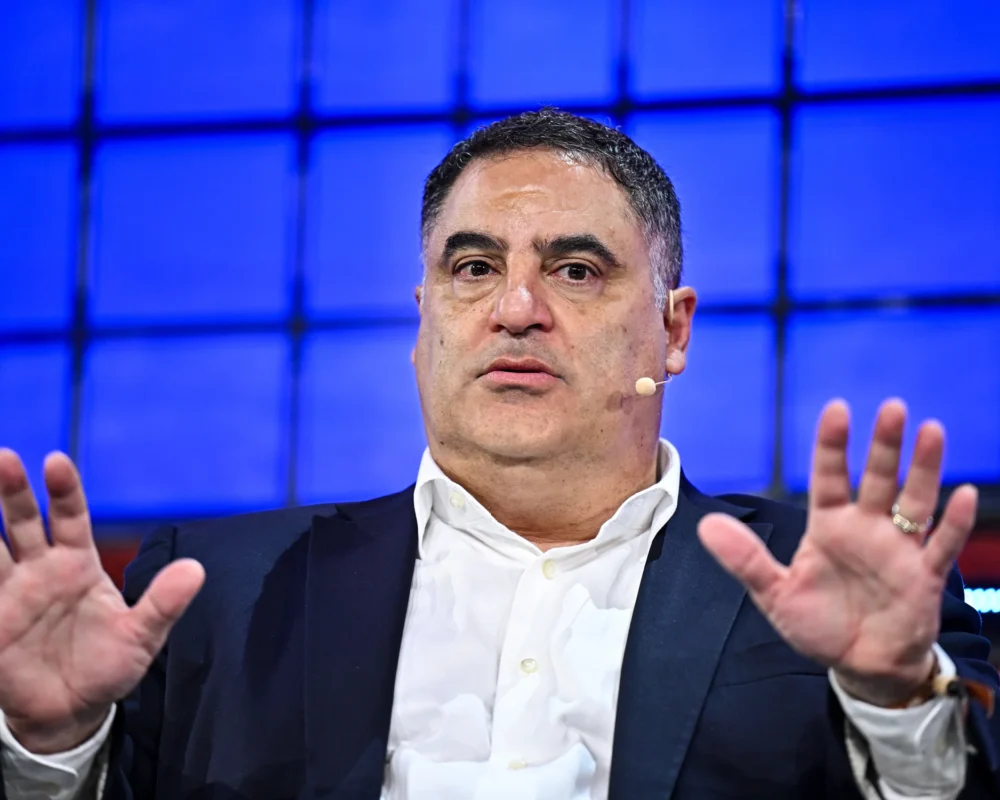
Should universities have a say before speakers are excluded from the UK? The Government has cancelled the Electronic Travel Authorisation (ETA) of a controversial left-wing US political commentator, in a move that prevents him from appearing at one of the UK’s oldest debating societies and raises renewed questions about broad and discretionary powers used to […]
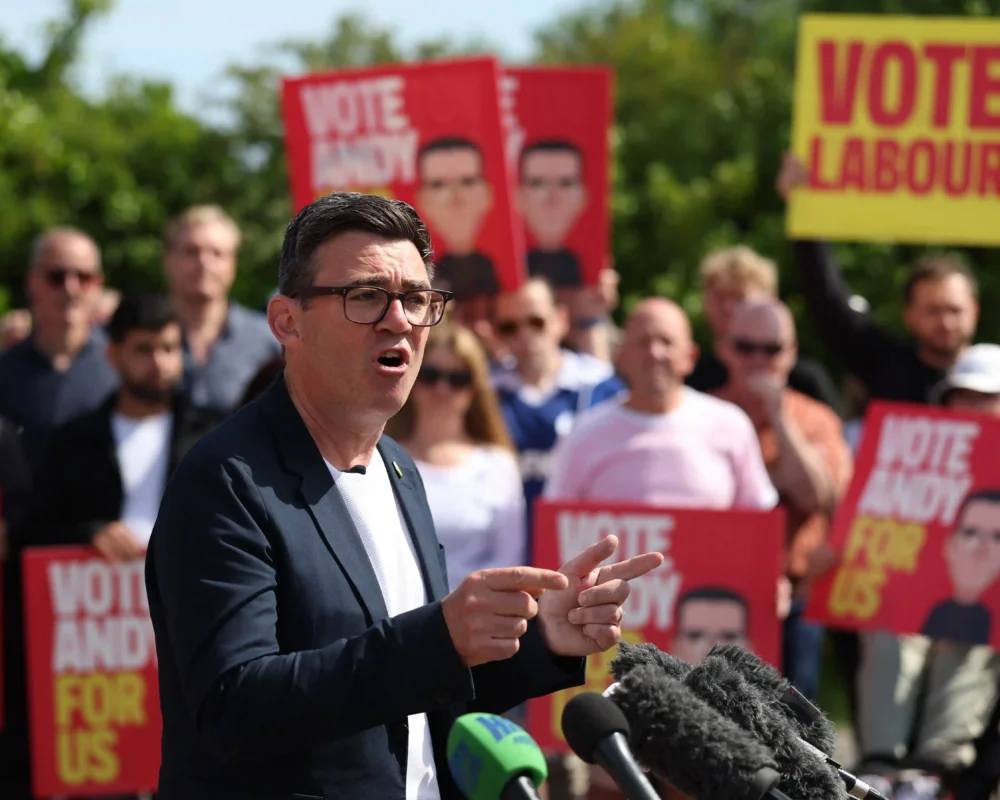
Andy Burnham has one prescription, and he means to fill it, whatever the patient walks in with. The man with the broken arm, the woman with chest pains, the child with a fever: each leaves the surgery with the same pad of repeat scripts, which call for higher taxes on the rich, more generous benefits […]
What have Rachel Reeeves, Yvette Cooper and Ed Miliband got in common? Yes, they are experienced politicians, with a combined total of 66 unbroken years in the House of Commons. Yes, they occupy some of the key posts in Keir Starmer’s Government and will probably still be Cabinet members after a change of leadership. I […]