Labour’s ‘Mansion Tax’ is a dangerous trap
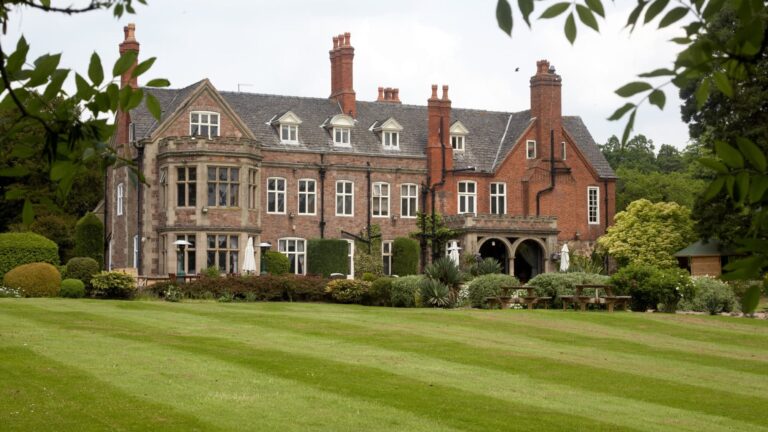
Photo: Getty Images.
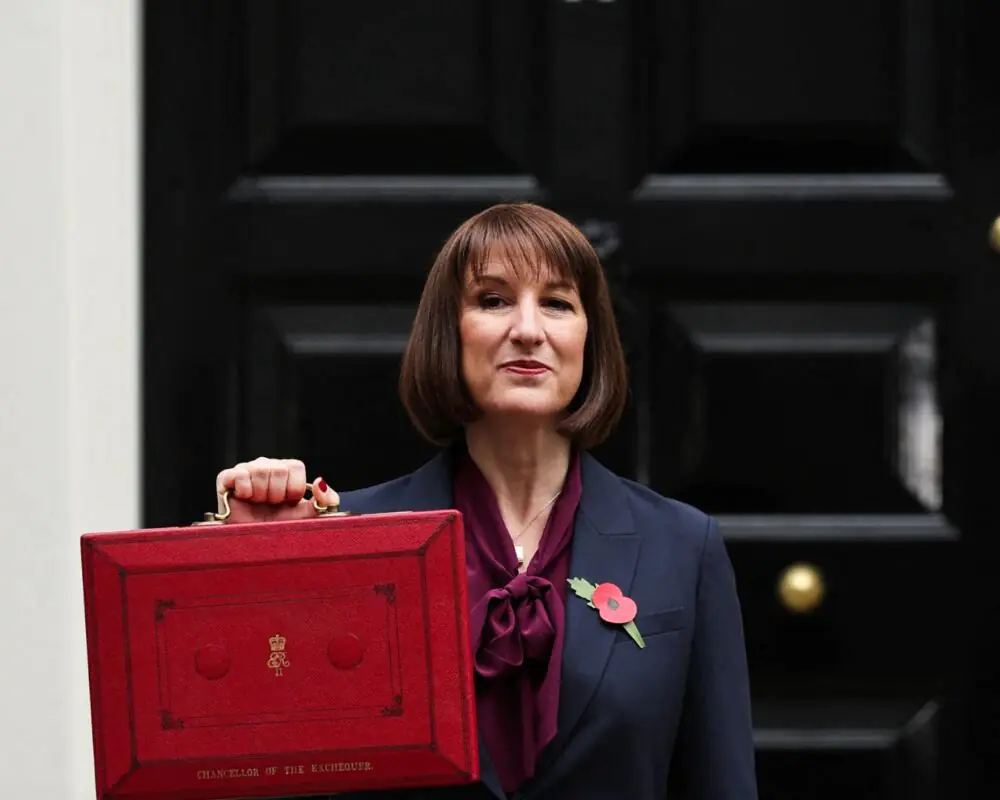
Those with the broadest shoulders may have the biggest homes, but as Michael Simmons of The Spectator has often said, they also have the longest legs. On Budget day, the final kites have been flown before Rachel Reeves brings the tax hammer down to fill her £30–40 billion black hole. One of her more destructive but popular ideas (amongst the people who won’t foot the bill) is that we are expecting to see a council tax surcharge on properties over £2 million in value.
With the Treasury spreadsheets currently aflame amid ballooning spending, an above-forecast borrowing rate and a failure to meaningfully slash welfare benefits, the Chancellor has turned to a council tax surcharge to make up revenues. This surcharge would be a 1% annual charge for the misfortune of owning a larger family home, often in central London. But this creates a number of serious problems, and misses the hard task of doing some major reform of our broken council tax system.
For some history, following the failure of the poll tax, the government created our council tax system which provides around a third of funding for councils (depending on where they are and their needs). On average, a household will pay £1,770 a year in the UK. The average area Band D council tax will be £1,982 across London, £2,289 in metropolitan areas, £2,366 in unitary areas, and £2,344 (+£106 or 4.8%) in shire areas. As readers can tell, this is a mad system, and requires full reform, but this Government is ignoring this and opting for a touch of populism instead.
London’s housing market is a shambles. Not only is London failing to build new houses, with only 32,000 houses delivered in 2024, and prices coming to a standstill (which should not be happening in a growing city with constrained supply), but there is especially a crunch in higher-value areas. In order to meet the market-clearing price, sellers are having to dramatically reduce their prices to sell, thus wiping billions from the capital’s wealth. Readers of CapX can probably assume what happens when you add an additional surcharge to these properties in a market system – it’s not pretty.
This is not an ode to wealthy homeowners (especially because I will narrowly avoid this in my two bed London rental!), but there are better ways of taxing property, and more importantly, land. In the first instance, we should be looking at a Proportional Property Tax. This would replace both stamp duty land tax and council tax – killing two grotesque birds with one weighty stone. Would there be losers? Of course, as those with higher property values may end up paying even more than now for their council services. But as an economy and a society, we would all benefit.
It would increase velocity in the housing market through the removal of a terrible transaction tax, and ensure that the costs of property are priced in with a reviewed property tax system. It’s much fairer and simpler, only after a total re-evaluation of the nation’s properties. Given recent Treasury Select Committee appearances from some of our best tax wonks, such a mission could be done in weeks – so there is succour for us reformers.
But I digress. The ‘Mansion Tax’ overloads the top of an already squeezed market. Given how high stamp duty can rise, it may even trap families into property that has risen in value where there are no inexpensive exit routes. A new tax is never a good idea, but a surcharge is an even worse idea. Let’s hope when the Chancellor stands up later today, she can shrug off the calls for more levies and return to a stable foundation of lower spending and common sense.
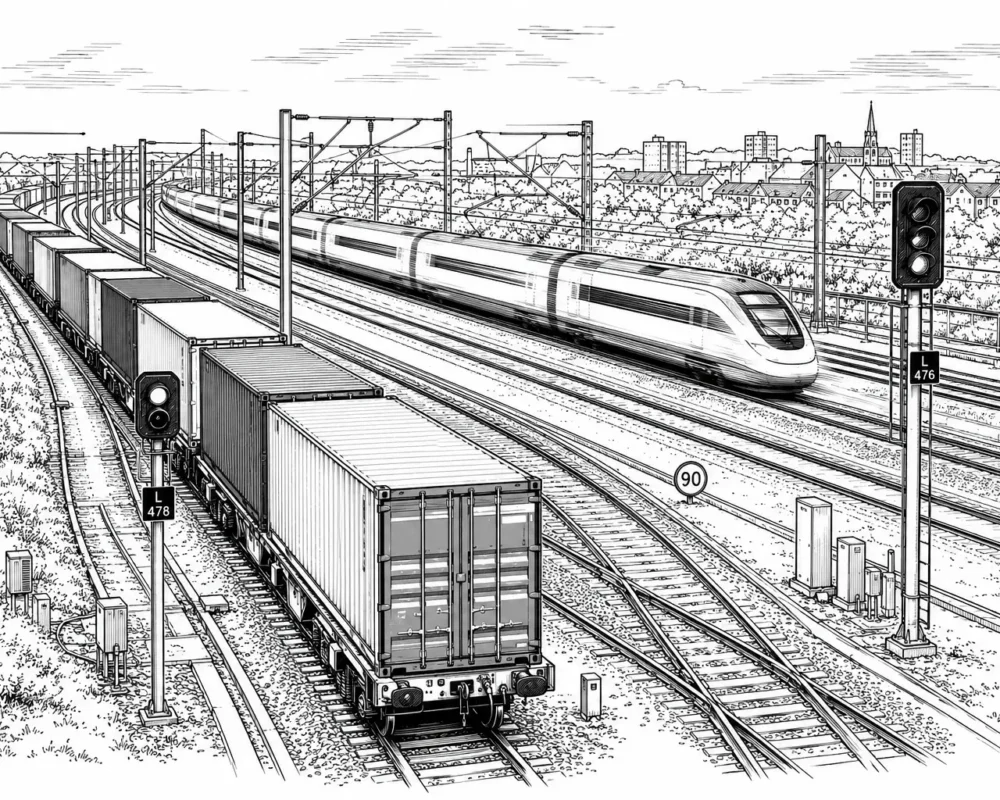
Trains run on rails. And access to these rails determines what services can be offered. Back in the 19th and early 20th centuries the railways were privately owned. Most companies, however small, initially owned their own permanent way. It soon became apparent that, rather than forcing passengers on long journeys to disembark and join another […]
The Roman historian Livy can claim to have invented an entire genre. Midway through his vast History of Rome, he breaks off from the narrative to ask a question nobody had thought to put in print before: what would have happened had Alexander the Great turned his armies west and marched on Italy? It is […]

In his first days as Prime Minister, Andy Burnham announced a series of populist pledges that purport to address the cost of living, but fail to address the deep structural issues afflicting the British economy. Burnham will soon discover – like the four short-lived predecessors who held office before him – that the voters of […]