Labour have revealed their deep mistrust of business
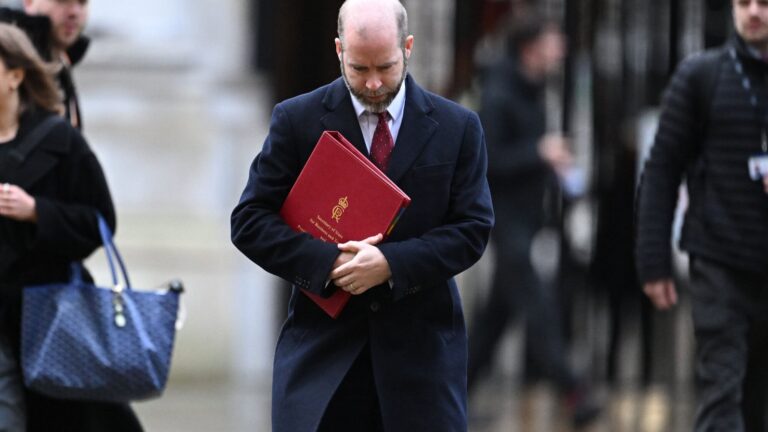
Photo by Leon Neal via Getty Images
Labour’s first year in government has already seen more U-turns than a learner driver on a test track. One came earlier this month, when Business Secretary Jonathan Reynolds backed away from his own department’s plan to scrap long-standing exemptions for small companies filing accounts with Companies House. The proposed rule would have forced even micro-entities to publish full profit and loss statements – an unprecedented move that risked exposing the sensitive financial details of millions of small firms.
The delay is welcome. But let’s not pretend it’s the time to rejoice. The very fact this reform made it as far as it did speaks volumes about Labour’s underlying attitude toward business: one of suspicion, not support.
The logic behind the Companies House reforms was not entirely wrong. For years, the UK’s company register was a fraudster’s playground. Fake firms managed by directors with names like ‘Darth Vader’ and ‘Judas Superadio Iskariot’ were used to launder money, defraud the Treasury or hide illicit assets. The Conservatives began the vital work of reforming Companies House to prevent such abuse.
Labour inherited that agenda, and between 2025 and 2027, the entire corporate compliance regime is being reshaped. All company directors and beneficial owners will need to verify their identity, either through a government portal or through authorised corporate service providers (ACSPs). In theory, this filters out bad actors, and hopefully it does.
But until earlier this month, the plan also included forcing even the tiniest firms, like your corner flower shop, to publish their full financials. That was a mistake, and the Conservatives – who alongside their anti-fraud reforms also streamlined other reporting requirements for small businesses – would surely not have let this damaging proposal come so close to implementation.
Labour have other instincts, however, and only an eleventh-hour reprieve saved micro-firms from this burdensome requirement.
This isn’t a one-off. The Companies House fiasco is only the latest in a string of measures that suggest deep-seated Labour mistrust toward Britain’s entrepreneurs. In its October 2024 Budget, Labour hiked employer National Insurance and raised the minimum wage – both of which disproportionately hit small businesses with limited margins. The Employment Rights Bill followed, adding new obligations including day-one dismissal protections and sweeping new union powers. The Government’s own figures estimate these measures could cost UK employers £5 billion annually, and yet today the Bill is back in Parliament, heading remorselessly toward the statute book.
Not even to mention the proposed inheritance tax on agricultural land – a direct blow to family farms, many of which are both small businesses and custodians of the rural economy. Tractor protests outside Parliament were not just about tax; they were about respect.
Across policy areas, the pattern is clear. Labour claim to support business but govern as if every employer is a potential abuser; every small firm a tax dodge waiting to happen.
Jonathan Reynolds’ reversal on profit and loss disclosures is not a strategic rethink. It’s a tactical retreat. The broader direction of travel remains unchanged: a growing regulatory state, empowered by a government that doesn’t trust the people who drive Britain’s economy.
There is a better way. Identity verification and anti-fraud tools are vital, but they should be proportionate. That means maintaining simplified reporting for micro-entities, preserving free filing routes for low-risk firms and focusing enforcement on real threats – not local joiners and start-up copywriters.
Make no mistake: this U-turn was necessary and is welcome. But it is also a warning. Labour’s default posture toward business remains defensive and interventionist. The profit and loss retreat may spare small firms for now – but only until the next reform rolls through, backed by the same bureaucratic logic and the same ideological mistrust. Small businesses shouldn’t have to rely on ministerial U-turns to avoid policy overreach. They deserve a government that starts from trust, not suspicion.
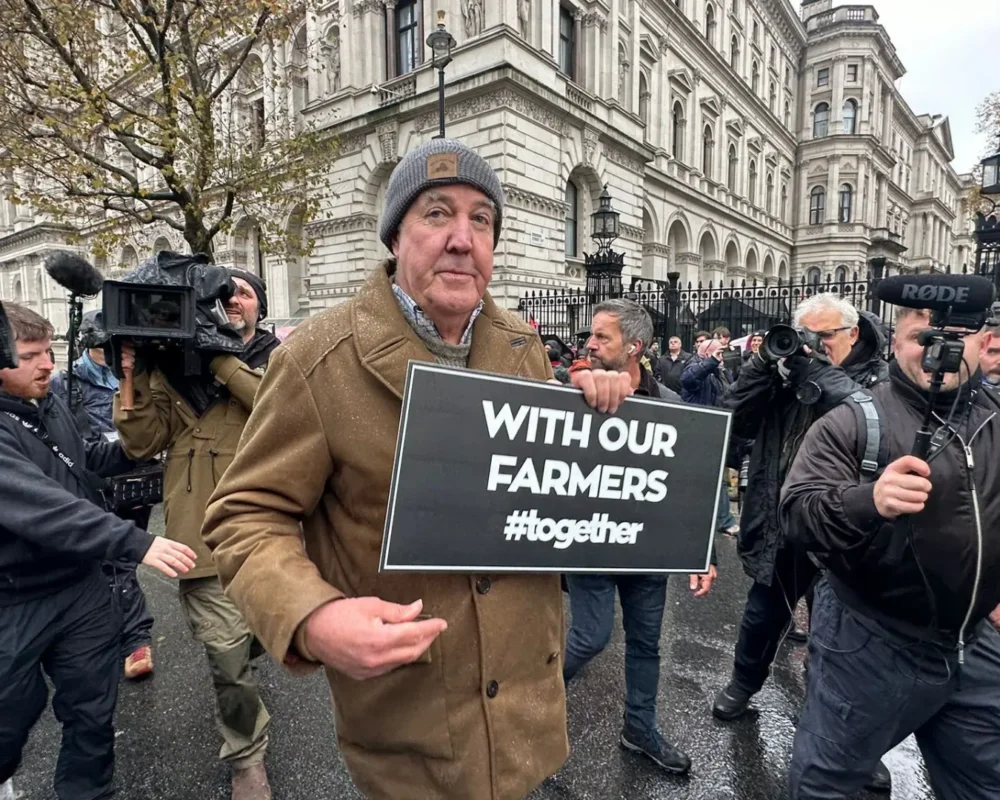
Viewers of ‘Clarkson’s Farm’ – now back for another season – will be familiar with Jeremy Clarkson’s long-running battle with the bureaucrats of West Oxfordshire District Council. When his Diddly Squat farm shop boomed, the council dragged their feet over planning permission for a car park extension, bizarrely decreed he could only sell goods from […]

After nearly two decades of weak growth, stagnant wages and stubbornly high inequality – alongside one of the worst productivity records in the developed world since the financial crisis – Britain’s central problem is how to get the economy growing again. We don’t build enough homes. We don’t generate enough cheap energy. We don’t invest […]
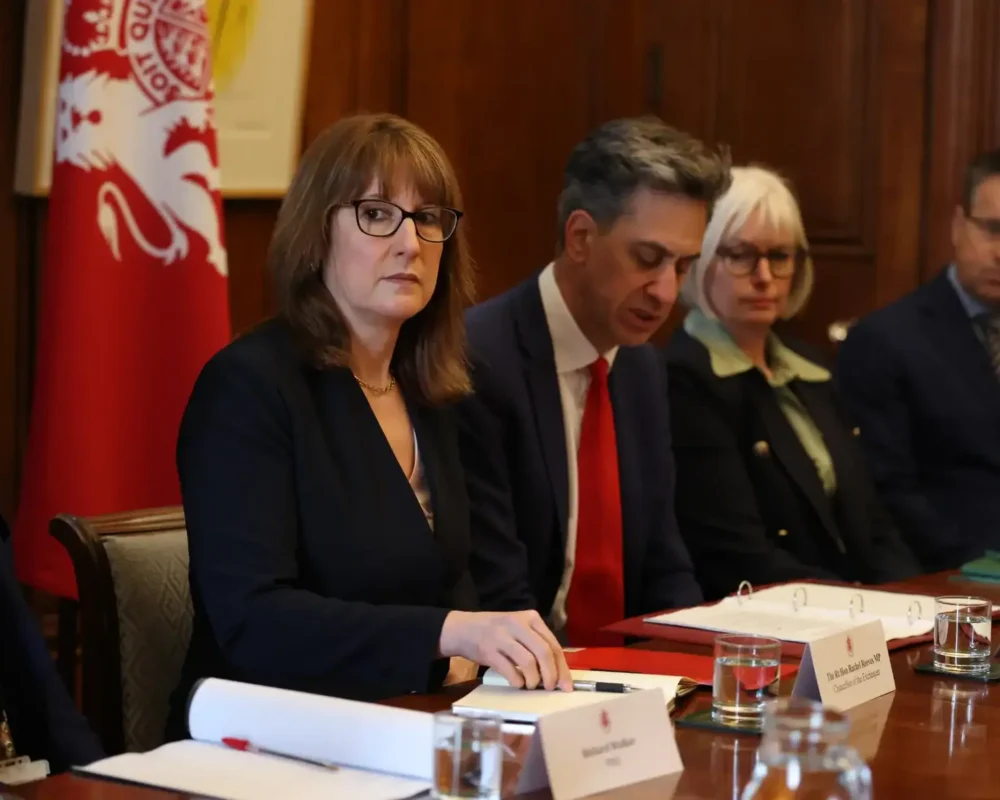
If the title Baron Walker of Broxton leaves you blank, let me help: Richard Walker is executive chairman of the frozen food retailer Iceland, succeeding his father Sir Malcolm Walker, the company’s founder, in 2023. He was on the Conservative Party’s approved list of parliamentary candidates, then resigned in October 2023 because the party had […]