It’s time for Poland to join the G20

Warsaw's skyline – Adrien Fillon / Hans Lucas / AFP via Getty Images
We live in an age of rapid economic change. New technologies are having an impact on the world that was unthinkable a generation ago; and industries are more mobile than ever, meaning that supply chains get reshaped, new centres of growth emerge and we see the resulting shifts in the balance of economic power.
Yet far too many of the bodies and institutions supposedly setting the global economic agenda remain stuck in a bygone age, obstinately resistant to the changes occurring around them.
G20 membership is not about claiming economic perfection, but rather a recognition of countries making a substantial contribution to the global economy
The G20 is a case in point.
It is an entity that ought to be helping national leaders refocus on the core pillars that help deliver growth: economic dynamism, productivity and the elimination of barriers to voluntary exchange.
But the anti-growth policy choices of some existing members have a tendency to skew its conclusions because its membership still reflects the economic hierarchy of yesteryear.
That needs to change – and it is why The Growth Commission, which I chair, is calling for its membership to be reviewed and in particular for Poland to be afforded a permanent place at its table.
The economic statistics emanating from Warsaw are striking: between 2006 and 2025, Poland’s real GDP grew by an average of 3.6% a year. The equivalent figure for the European Union as a whole was just 1.2%, and a mere 1% for the eurozone.
And its real GDP per capita grew annually by an average of 4.0% between 2005 and 2025, compared with just 1.0% in Germany, 0.7% in France, 0.6% in Spain and 0.2% in Italy.
Quite simply, Poland has been one of Europe’s great economic success stories of the first quarter of the 21st century.
Its transformation since the collapse of Communism has been remarkable. A country that was once regarded as part of Europe’s economically backward eastern periphery has developed into a major manufacturing, technology and logistics base, deeply integrated into European and global supply chains.
Its GDP per head has been rising rapidly towards the levels of mature Western European economies. The precise point at which Poland might overtake the UK on this score depends on the measure used and the assumptions made. But the direction of travel is unmistakable: the gap is narrowing – and fast.
This matters because the G20 should not be a legacy club for yesterday’s powers.
If membership remains based primarily on the size of countries’ economies at some point in the past, then the institution risks becoming ever more unrepresentative of the economic forces shaping the future.
Poland’s case is particularly powerful because its economic story is not based on one commodity boom or a temporary surge in demand. Its success reflects decades of convergence, investment, trade integration and the development of a substantial private sector.
Of course, the country still has its challenges, not least over issues such as the governance of state-owned enterprises and the predictability of its regulatory and judicial environment. No serious advocate of Polish membership would pretend otherwise.
But G20 membership is not about claiming economic perfection, but rather a recognition of countries making a substantial contribution to the global economy.
And Poland’s strong economic credentials are also matched by its evolving strategic importance.
In an increasingly dangerous Europe, Poland has become a vital security anchor. Nato estimates put Polish core defence spending at 4.68% of GDP in 2026, well above the United States at 3.17% and the Nato, Europe and Canada average of 2.53%.
Poland is not merely benefiting from the security architecture of the West. It is helping to sustain it.
The combination of economic dynamism, industrial capacity, international trade integration and a willingness to shoulder strategic responsibility makes Poland an obvious candidate for a more prominent role on the global economic stage.
If global summits are to offer practical solutions to some of the biggest issues of the age, they must include the nations that best demonstrate structural dynamism and strategic leadership.
The United States, which currently holds the G20’s rotating presidency, has already recognised this. In April, Poland was invited to participate in G20 work at all levels this year, with the Trump administration expressing strong support for its accession as a permanent member.
There is an obvious opportunity now to make this happen. G20 trade ministers will meet in Milwaukee at the end of this month, before leaders gather in Miami in December. The meeting in Wisconsin ought to lay the political groundwork for a positive decision in Florida before Christmas.
Some might object on the grounds that admitting Poland would mean kicking out another member. But that does not necessarily have to be the case.
The G20 has already evolved. The African Union became its 21st member, demonstrating that the forum is not permanently restricted to exactly 20 participants. So we need not be treated to a crude game of diplomatic musical chairs.
But the G20 does need to develop a more systematic approach to membership. Economic weight matters, but so should growth, productive capacity, openness to trade and investment, domestic competition, protection of property rights and a country’s contribution to financial, energy and geopolitical stability.
Such a test would ensure that the door is open to countries whose economic and strategic importance is increasing.
There is also a strong case for recognising ASEAN. The high-growth economies of south-east Asia have transformed the global economy and have much to teach the world about development. If the G20 can accommodate the African Union, there is a compelling case for finding an appropriate way to give ASEAN a stronger voice too.
But Poland ought to be the immediate focus.
The question is whether the G20 is capable of looking forward.
If it is, then the answer should be clear. Poland has demonstrated sustained growth, built an impressive productive economy and assumed responsibilities that extend well beyond its borders.
The United States has opened the door. Now the rest of the G20 should have the confidence to let Poland through it to join them at the top table. Such a move would help put growth, resilience and market fundamentals closer to the centre of global economic policymaking.

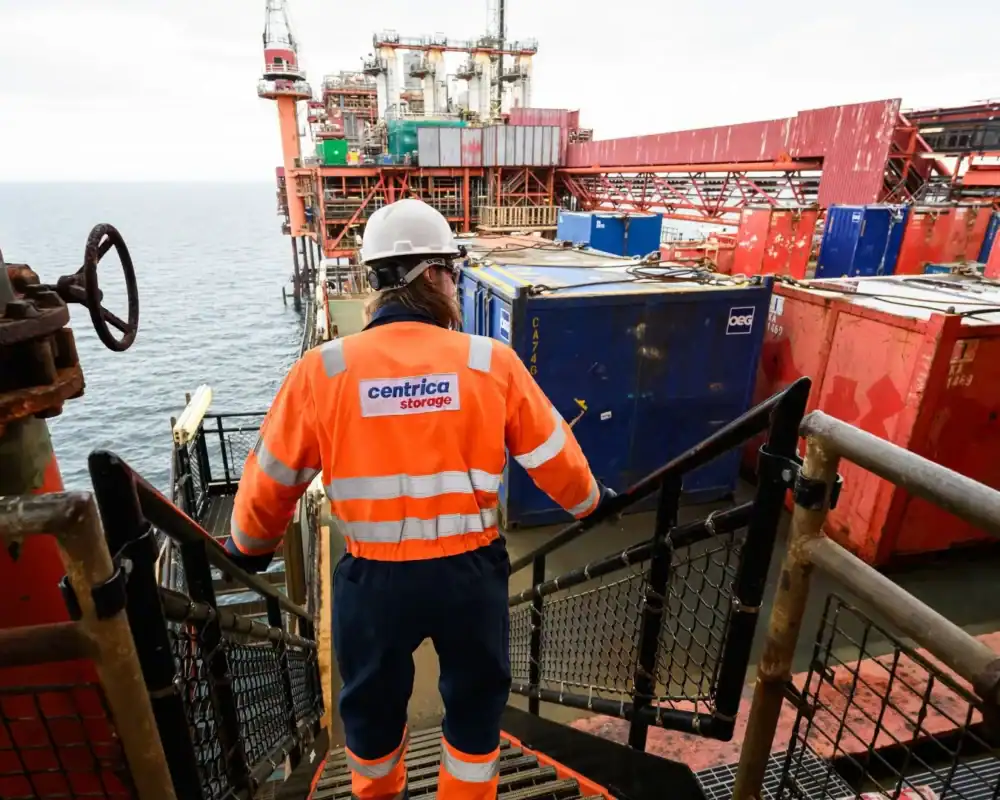
The UK only has 13 days worth of natural gas storage capacity, and it’s about to be cut in half. Britain needs gas storage now, and it will need it as North Sea extraction declines. Otherwise, we’re badly exposed to another energy crisis. Centrica has seemingly given us an easy out by offering to regenerate […]
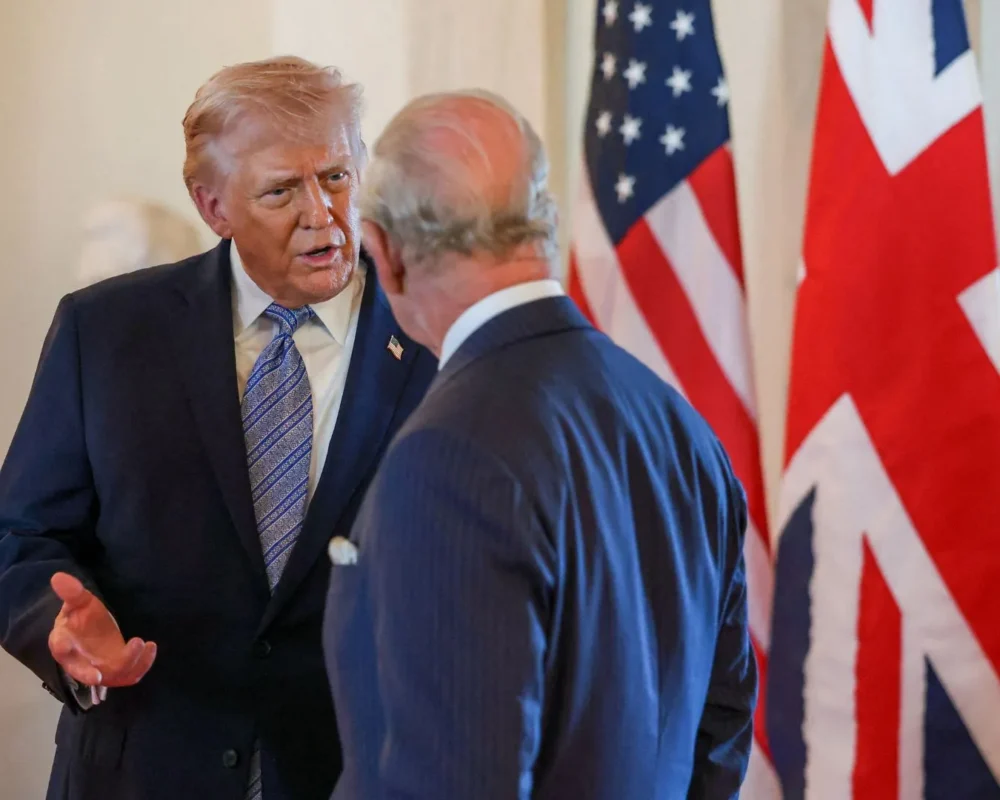
It’s been reported that officials in the Trump administration have given their UK counterparts a dressing-down over the Online Safety Act and the social-media ban for under-16s. As someone who previously worked on digital trade for the UK government, this does not surprise me. Both the Trump and Biden administrations have seen British laws such […]
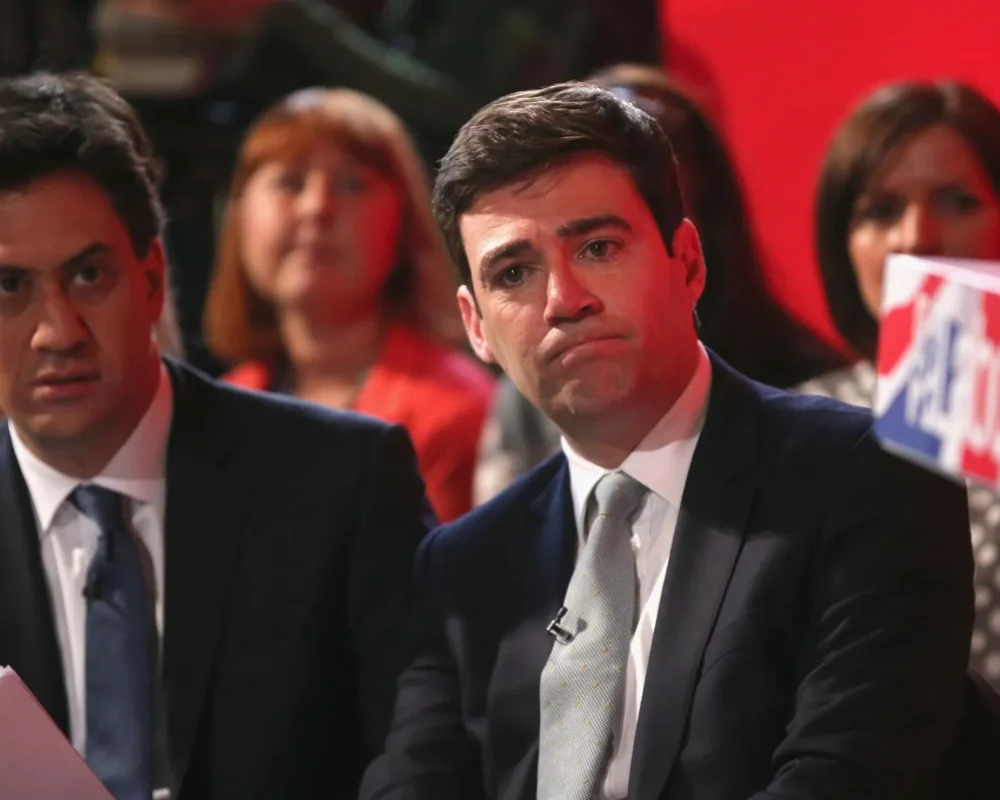
It’s not often that a Labour announcement reminds you of music. Reading Andy Burnham’s confirmation of his commitment to Net Zero in the Guardian last week, I couldn’t help but think of The Who’s 1971 epic rocker ‘Won’t Get Fooled Again’. Within it are the lyrics: ‘And the world looks just the same, And history […]