I’m on PIP – and I want welfare reform
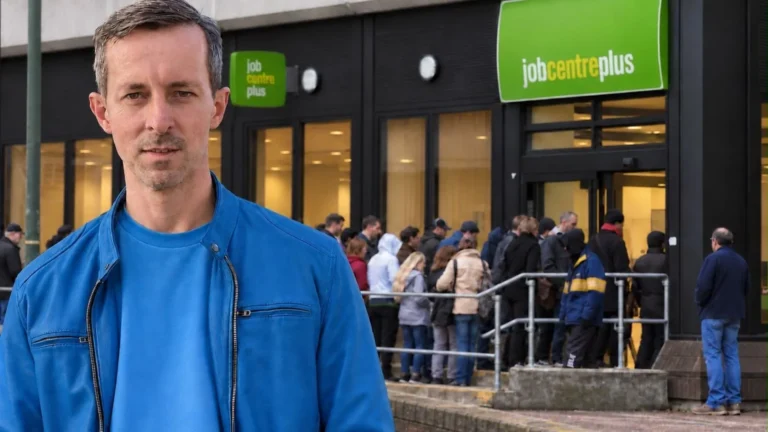
I was diagnosed with Parkinson’s 12 years ago. I then started and ran a successful business, helping 339 mothers and 37 fathers back into work, and won Entrepreneur of the Year at the UK Business Awards. After five or six years, my health began affecting the business.
Today I receive Personal Independence Payment (PIP). My mobility and energy are no longer reliable enough for a regular job. I have moved from contributing to receiving, and I want the help to remain dependable. That is why I want reform.
The Office for Budget Responsibility forecasts total welfare spending of £353 billion in 2026/27, rising to £407 billion by 2030/31. This includes pensions as well as support for working people. Welfare represented around 10% of national income before Covid; this year’s forecast is 11.2%. Extend the OBR’s forecast average cash growth of 4.1% a year from 2025/26 and spending in nominal terms would approach £900bn in 2050.
Reform UK say they would cut £50bn a year from the working-age welfare bill within a parliament; the Conservatives now pledge to achieve £36bn a year. Both need independent scrutiny.
I believe spending must fall, while protecting those unable to work. But welfare reform isn’t just about controlling the total bill – it’s also about making working-age support deliver for those who need it. Some of that means reducing costs, especially for those able to work; much of it means spending money better. Here are my suggestions, as a claimant who knows how the system currently works – or doesn’t – and has a personal stake in improving it.
People with severe, irreversible impairments should have dependable awards and fewer reassessments. Repeatedly confirming an irreversible disability wastes money and causes needless anxiety. I would use part of verified savings to increase support where unavoidable disability costs are greatest.
Repeatedly confirming an irreversible disability wastes money and causes needless anxiety
An incurable diagnosis alone cannot determine entitlement: needs and ability vary, as my own working years show. We need a system that assesses what someone can reliably manage, including fluctuating symptoms and serious mental illness.
A business from home can suit a disabled person or a spouse, partner or relative caring for them. I would offer 18 months of free business coaching, accounting, bookkeeping and online accounting software, alongside accessible equipment and a capped tax credit on initial profits. Helping family carers earn while providing care at home could reduce reliance on expensive paid care, where that arrangement meets the disabled person’s needs.
PIP can already continue in work. Pilot protected start-up earnings for disabled founders and family carers receiving Universal Credit, and taper Carer’s Allowance rather than withdraw it abruptly when earnings cross the limit.
Require viable plans and proper accounts, with protection if health or caring demands change.
My Parkinson’s limits which cars I can safely use. Preserve adapted and wheelchair-accessible vehicles. Audit purchasing, insurance and management costs; expand economical lease extensions and suitable used-car options.
Eligibility should require substantial difficulty travelling independently. Being able to walk does not settle that question. Investigate misuse while preserving the recipient’s genuine transport needs.
Local churches and other community groups already have keen volunteers. Small grants could help them run and promote soup kitchens, tea meetings and mental health groups for disabled people, jobseekers and carers. Link these groups to jobs, training and advice.
Kindness and regular contact can restore confidence and a sense of worth. Modest funding could help people recover sooner and return to suitable work, saving money over time.
The Department for Work and Pensions estimates £9.9bn in overpayments in 2025/26, an £8.6bn loss after recoveries. This includes error as well as fraud.
Check earnings, capital and household circumstances earlier, with human review before stopping payments. Correct underpayments too.
For recoverable conditions, I would test a recovery agreement: treatment, suitable work preparation and scheduled clinical reviews. Set review dates at the outset. The health-related supplement could reduce in stages as capacity returns, whether or not a job has been found. Basic means-tested support would remain.
Each reduction must follow evidence of improvement. Pause it if recovery stalls, illness returns or treatment is unavailable. Almost 3 million fit notes were issued in England in January to March 2026; these are notes, not 3 million different people. Earlier occupational health support could prevent prolonged absence becoming permanent joblessness.
In my business, I learned that what made the difference in getting people back into work was helping them believe in themselves, and then giving them a chance to prove it. Encouragement and opportunity mattered, alongside clear expectations and responsibility. This helped parents stay in work while supporting their children and setting them an example.
After six months, someone able to work should be offered a suitable job or supervised volunteer work while seeking employment. Placements must protect existing jobs, and claimants should earn their benefits through useful activity, rebuilding routine and confidence.
Refusal without good reason should have consequences, with disability and caring exemptions and fair appeals. Young people who can work should take up suitable work, training or voluntary work, with a simple sanction: miss a day without good reason and lose that day’s payment.
Show claimants what employment leaves them after transport, childcare and benefit changes. Universal Credit already tapers with earnings. Where taking a job brings little financial gain, remove the obstacle.
John Penrose argues in CapX for reforming or closing failed employment schemes and expanding successful ones. I would pay providers chiefly for additional, sustained employment. A target of 100,000 additional people in sustained work, at an assumed £10,000 a year in lower benefits and higher tax receipts each, would yield around £1bn before programme costs.
All of these proposals should be piloted where possible, and judged on net savings and effectiveness. The principle behind them is straightforward: be generous to people who have no choice, and firm with people who do.
I have been on both sides of the system, contributing and receiving, and I want it to remain dependable. We cannot protect the vulnerable with promises the taxpayer can no longer afford.


In 2010, Paul Krugman wrote a New York Times column titled ‘Learning From Europe’. For decades, Europe was the model that American left-leaning economists wanted America to follow: a big welfare state, generous welfare programmes and large-scale redistribution. But it seems something has changed. Krugman has now written about France being on a ‘fiscally unsustainable […]

Making sure it always pays to work is political motherhood and apple pie: something so obvious it’s barely worth saying. Odd, then, that last week when Kemi Badenoch suggested changing childcare rules which leave successful parents facing crazy 100%-plus tax rates if they earn more than £100,000, she faced a barrage of criticism. The critics […]
This is a highlight from the event programme of the Centre for Policy Studies (CPS) – CapX’s parent organisation – at this year’s Conservative Party Conference. You can watch all the panels and interviews on the CPS YouTube channel. The £23 billion [in welfare savings] is just the start. The number will be higher by […]