Does Britain really want to rejoin the EU?

Getty Images
The first rule of Labour’s EU Club appears to be that ‘you do not talk about rejoining the EU’. Indeed, Andy Burnham’s and Wes Streeting’s not-very-principled position on Brexit seems to be that they want the UK to rejoin the EU but do not want to be too open about this until after either of them is elected.
This might seem odd. After all, those seeking closer economic ties with the EU often claim that this is what the British public want. At face value, opinion polls do suggest that a majority would back the idea of the UK becoming a full member again.
However, this evidence needs to be heavily caveated.
For a start, policy should not be run on the basis of headlines from opinion polls with a few thousand respondents. It seems reasonable to assume that most people who would vote to rejoin the EU would not be so keen on the reintroduction of the death penalty, but public support for this policy is also running at around 55%.
A large number of obviously mad economic policies also tend to poll very well. Everyone can come up with their own examples here, but mine would be the Green Party’s call for a cap of 10:1 on executive pay.
More fundamentally, the support for rejoining the EU is shallow. Even the polls cited by pro-EU campaigners suggest that only a minority of the public ‘strongly support’ this option, or consider it to be a priority.
This is also the message from business surveys. The Bank of England’s Decision Maker Panel shows that Brexit has dropped well down the list of concerns for most firms. Similarly, the latest Deloitte survey suggests that CFOs are now more worried about ‘economic weakness in the euro area and the possibility of a renewed euro crisis’ than they are about the ‘effects of Brexit or a deterioration in UK-EU relations’.
The public polling is also full of inconsistencies.
For example, one recent poll by More in Common found that most people are keen that the UK and EU should be able to trade more freely with each other (why would anyone not be?). However, only a minority want to ‘align more closely with EU laws and regulations’. The UK would, of course, be obliged to adopt all ‘EU laws and regulations’ automatically if Britain rejoined the bloc.
Similarly, YouGov polling has suggested that 80% of Labour voters want a ‘customs union’ with the EU. But more sophisticated polling by the same company (for Queen Mary University London) has found that only 9% of Labour voters think that UK tariff policy should be decided by someone other than the UK government. Again, this is exactly what a customs union with the EU would entail.
Rejoining the EU would also need another, hugely polarising referendum. Some have suggested that Labour should just put ‘we will rejoin the EU’ in their next manifesto and secure a mandate that way. But a General Election which might be won with just a third of the votes cast should not be allowed to trump a (single issue) referendum where more than half of those voting wanted to leave the EU.
This is not a formal statement about the constitutional position, where parliament is sovereign. Instead, it is a point of principle. Ignoring the result of the 2016 referendum would be an obvious affront to democratic legitimacy.
Similarly, the legal nicety that referendums are ‘advisory’ does not mean it is OK to disregard the results, especially if the government had repeatedly said this is a ‘once in a generation decision’ and that it would ‘implement what you decide’.
The upshot is the apparent shift in public opinion on Brexit needs to be taken with a huge pinch of salt. Indeed, it could still go the way of support for national ID cards, which collapsed the moment that Keir Starmer’s government announced plans to introduce them.
Above all, sentiment is likely to shift back again once the terms of any return to the EU are made clear – as long as the government is transparent about these trade-offs (something it has been very bad at so far).
Polling has consistently shown that existing member states would welcome the UK back, but not on the same terms that the UK had before. YouGov concluded last year that ‘Europeans wouldn’t let the UK return [to the EU] with its previous opt-outs, and Britons don’t want to come back if it loses them’.
It would therefore be interesting to see more polling on whether Brits really want to rejoin the EU if this means losing the budget rebate, joining Schengen, or having to adopt the euro, or if any of the other costs were made clear.
I am sure that the saner thinkers in Labour know this. Rejoining the EU might be popular with some activists. But the prospect of reopening the Brexit debate remains as toxic as ever in the country at large.

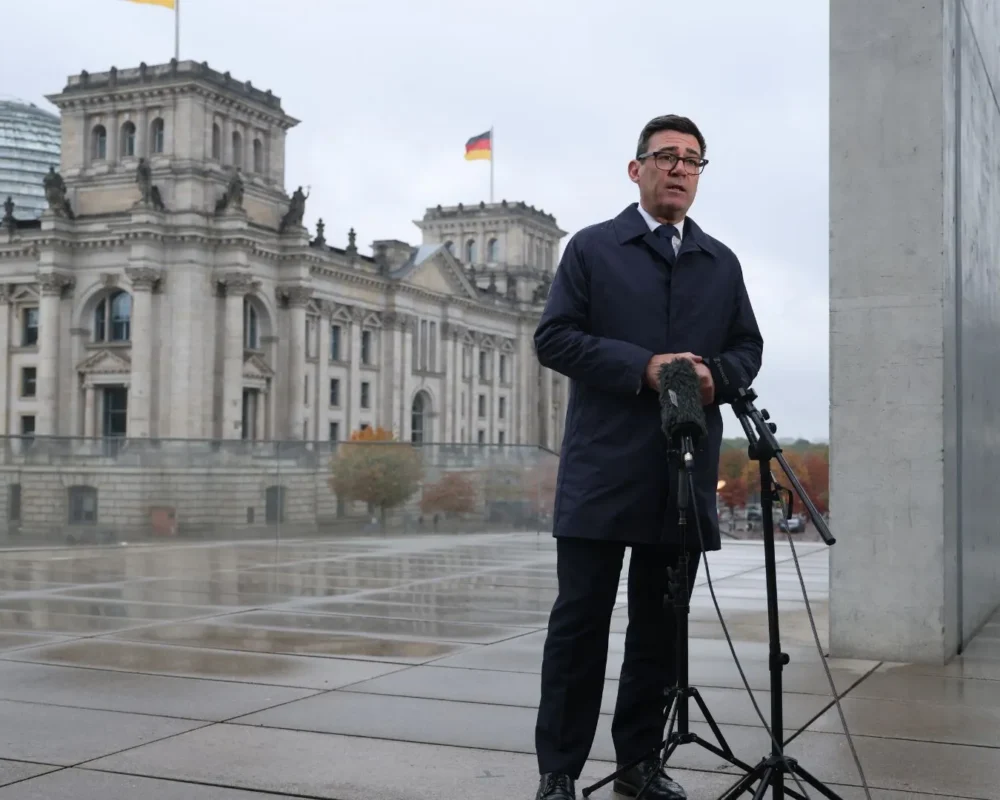
‘Just when I thought I was out, they pull me back in,’ says Michael Corleone in ‘The Godfather Part III’. A decade after we voted to leave the European Union, much of the establishment is still in denial about the verdict that was delivered. Andy Burnham has been absolutely shameless. Campaigning in the Makerfield by-election, […]
Whenever I think about Boris Johnson, the old French proverb ‘après moi le déluge’ comes to mind. It means a blithe, even nihilistic disregard for whatever ruination ensues after one’s own time. For many years, it was thought to have originated with Louis XV or his mistress Madame de Pompadour in the 1750s. It thus […]
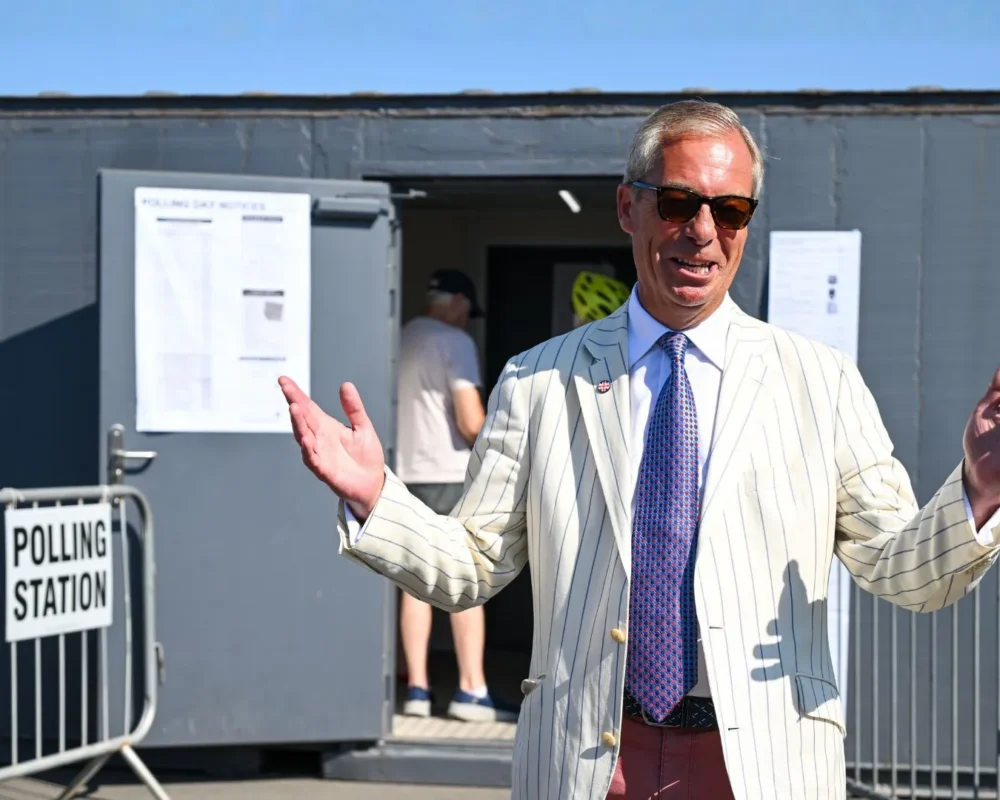
At a few minutes past six on Friday morning, in a leisure centre on the Essex coast, the returning officer reached the bottom of a ballot paper roughly a metre long and announced a number that deserves more attention than it is likely to receive. Nigel Farage, 22,239 votes. The commentary had settled into its […]