Buckle up for the era of self-driving cars

Photo: Waymo
It might seem that, right now, the transport debate is all about electric vehicles. Or is it? The EU is rowing back on its 2035 petrol cars ban. Kemi Badenoch has pledged to ditch the 2030 Zero Emission Vehicle mandate. All the while, industry fears global domination by Chinese EVs.
In reality, the EV discussion is almost out of date: it focuses on a modern way of doing an old-fashioned thing, folks buying cars then driving them around. Something much bigger is on the horizon. Following the Automated Vehicles Act 2024, Waymo (part of the Google family) is set to run trials of its self-driving ‘robo-taxis’ in London later this year. Wayve (with Uber) has similar plans.
When vehicles can drive themselves, everything changes.
Tesla and others already claim to have developed full self driving capabilities, but it’s the SAE definitions that count. Most cars sold today are already at SAE Level 2, with features such as adaptive cruise-control and lane-assist. Since 2024, all new EU vehicles also feature Intelligent Speed Assistance, which can read traffic signs and hit the brakes. But at Level 2, the driver remains in charge: hands-on, eyes-up, always.
Level 5 is the ultimate goal. Full automation, all the time, everywhere. No one is there yet, but the enabling AI technology is fast-evolving, with Nvidia rolling out a new platform. With 360-degree cameras and sensors, cars already see better than humans and ‘never get drunk, tired, or distracted’. It’s the instantaneous interpretation of the real world where the complexity lies. For now, the action is at Level 4: self-driving in defined, ‘geo-fenced’ areas. Waymo has run robo-taxi services in US cities since 2020 and is now going global.
Self-driving could transform the automotive sector. Suddenly, the traditional ownership model of punters shelling out monthly payments on a depreciating chunk of metal looks less appealing. The alternative can be Mobility as a Service, where the user summons up on-demand autonomous transport via an app. The manufacturers’ target market then shifts to taxi fleets: Jaguar supplied thousands of I-PACE SUVs for Waymo to adapt. Expect a smaller fleet of functional, intensively-used vehicles instead of today’s private cars which spend most of their day on the driveway.
The societal change could be seismic. The typical vision of autonomy is cool urbanites slipping into personal automated pods. But lower running costs (smaller vehicles, no driver) also mean rural communities too small to justify a bus can also get connected. Self-driving could bring new opportunities to those on low incomes or with disabilities. This would bring a new meaning to the term ‘social mobility’.
The employment market might also get completely up-ended. The UK has almost a million driving jobs from Uber mini-cabs (100,000) to delivery vans (280,000) to HGVs (another 280,000). The number of fast-food mopeds out there is anyone’s guess. If self-driving vehicles catch on, consumer costs might fall – but at the expense of jobs. Robot vehicles are already being rolled out in indoor environments (hotels, airports, hospitals), plus last-mile deliveries where Milton Keynes is an early adopter.
But the road to autonomy won’t be a smooth one. And the tech is just the easy bit.
Road accidents kill over a million a year worldwide (including 1,600 in the UK), mostly due to driver error. But public expectations from self-driving cars far exceed those from fellow humans, and trust levels remain low. Accidents involving Level 3 vehicles (which require driver intervention in tricky situations) have led governments to slow the pace of change. Cyber security is also a worry from a system crash to a sinister hack.
Left to their own devices and free to communicate with each other, self-driving cars might get around just fine. The interaction with fallible, unpredictable humans (drivers, cyclists, pedestrians) is a lot harder. Applying the trolley problem to self-driving cars asks whether your car should act to save you or someone else in an impending accident: the ethics of AI are an unavoidable area of discussion. And insurers want to know where liability will sit.
When former transport secretary Trudy Harrison declared car ownership ‘20th-century thinking’, not everyone was cool. Perhaps unsurprising, given most folks are currently dependent on their own vehicle to navigate pot holes, cycle lanes and emissions zones on a daily basis. (Plus, headlights that are far too bright). There are lessons to be learned from the electric vehicle roll-out and how to deliver change.
Expecting the public to buy into unfamiliar technology before electric cars (and the charging infrastructure) were ready was a big ask. Instead of making the leap straight to ‘pure’ electric, many might have been won over by cheaper, plug-in hybrids which offer zero-emission commuting backed up by a familiar petrol engine for longer trips. By contrast, the public is getting slowly used to self-driving via their new, Level 2 cars. The upcoming London trials will be key to establishing awareness and confidence.
Already, fewer young people are learning to drive and attitudes to mobility are shifting. One day, folks might be happy to give up the car keys and be ferried around. But taking away choices and long-held freedoms too early might end any hopes of a smooth transition.
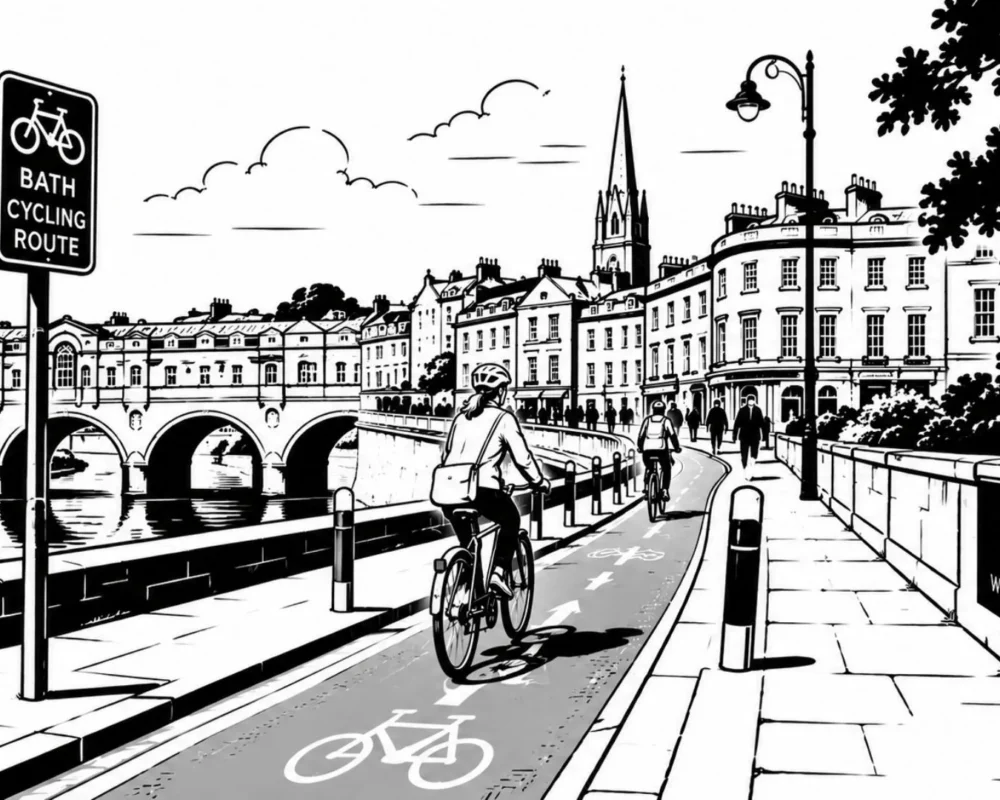
This week, Nimby Watch is in Bath, where councillors are at loggerheads over the concept of safety. I dislike Bath, and do not think it agrees with me, and yet Bath is to be my home? Aren’t you full of surprises? I didn’t have you down as a fan of Jane Austen, and here you […]
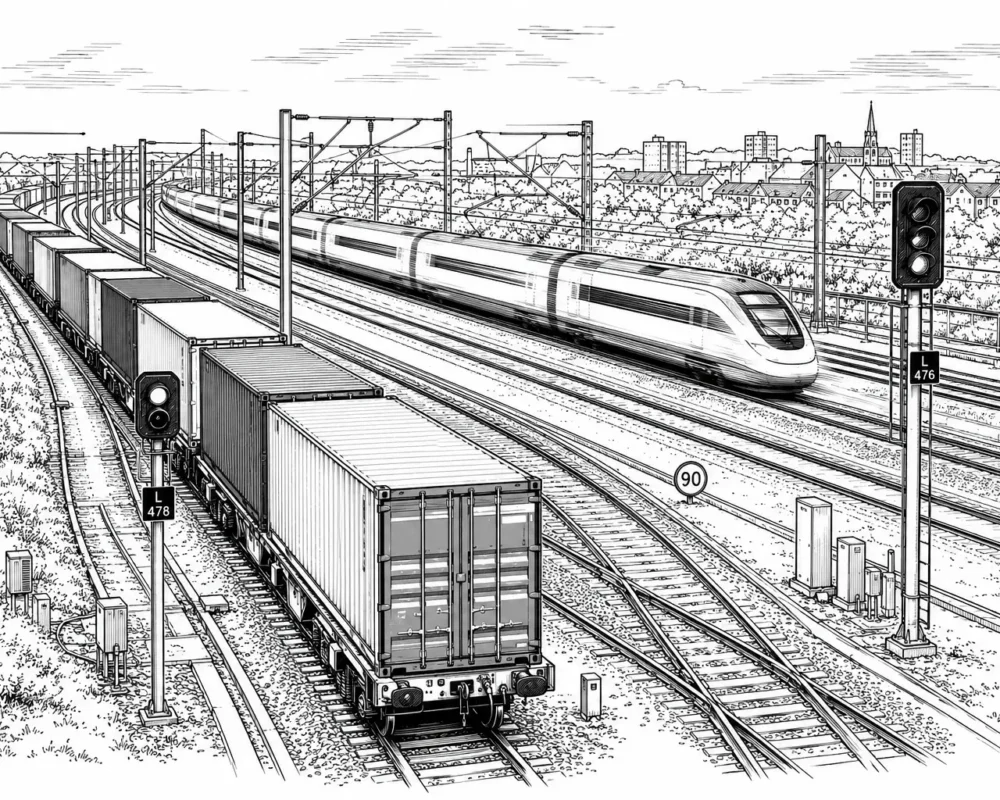
Trains run on rails. And access to these rails determines what services can be offered. Back in the 19th and early 20th centuries the railways were privately owned. Most companies, however small, initially owned their own permanent way. It soon became apparent that, rather than forcing passengers on long journeys to disembark and join another […]

Across the UK, millions of people rely on the railways to travel. From 2024 to 2025, there were 1.7 billion passenger rail journeys, of which 1.08 billion were completed within a single region. And yet all too often, local rail has been neglected, with funding prioritised for London and the South East. As a result […]