How to make British infrastructure cheap again
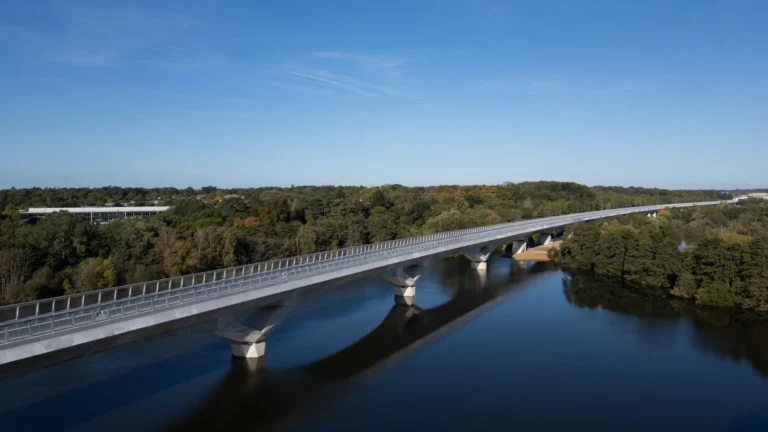
The HS2 Colne Valley viaduct – Leon Neal/Getty Images
Britain is pretty good at spending money on infrastructure. In the most recent OECD data, only China spent more on rail infrastructure as a share of GDP. Yet the problem for Britain is that we’re pretty bad at actually building infrastructure for the money that we do spend.
The bulk of the money in the OECD data went to HS2, which at up to £102.7 billion for 140 miles of track is by far the most expensive high-speed railway in the world. Lowering construction costs means we get more bang for our buck or we can deliver the same project while significantly cutting taxes. Spain built its entire high-speed network, the second longest in the world at nearly 2,500 miles, for around £75bn. If HS2 were built at French rates, the average British household would save £3,400 in taxes over the project’s lifespan.
Our problems don’t end at just HS2 either. The Jubilee and Northern line extensions cost twice the per-mile average of France or Italy and six times that of Spain. The Bakerloo line extension, if it is ever built, will be the most expensive underground line built anywhere in the world outside of New York City. British trams cost double the European average. Heathrow’s third runway, which thankfully is privately funded, is still expected to cost 10 to 70 times more than other recent runway additions.
The Bakerloo line extension, if it is ever built, will be the most expensive underground line built anywhere in the world outside of New York City
Our situation is so dire because of eight overlapping and compounding policy challenges, which I lay out in more detail in my latest report for the Centre for Policy Studies.
The first is planning. The Lower Thames Crossing was designated a national priority in 2011, but it took 14 years for it to gain planning permission, which was only obtained after £300m spent on a 360,000 page application. Heathrow’s planning application is expected to cost more than double the cost of actually building Manchester’s Runway 2 in the early 2000s. Even once granted, a Development Consent Order (DCO) is not the one-stop shop it was designed to be; Sizewell C requires over 100 further consents, each of which provides opponents of the scheme a chance to add cost and delay. The planning process needs to be a one-stop shop with ministers’ decisions being final.
Second, environmental assessments and the Habitats Regulations impose heavy burdens. The environmental impact assessment for the Jubilee line extension in the 90s was less than 400 pages, while the statement to reopen 3.3 miles of railway on an existing alignment to Portishead ran to nearly 18,000. The Habitats Regulations offer near-absolute protection no matter the cost, leading to absurdities like the HS2 bat tunnel and Hinkley Point C’s fish disco. Ministers need to legislate to specify what is and what isn’t required in an assessment, encourage compensation over pricey and ineffective mitigation and force Natural England to prove faults rather than promoters completing the much harder task of proving there aren’t any.
Third, lengthy judicial review processes. Of 36 legal challenges to the planning permission (DCO) for large infrastructure projects, only four successfully forced a redetermination and all four projects were approved again. Yet fighting a legal challenge can add hundreds of millions to the project’s cost, and even more when defensive paperwork is considered. The UK’s implementation of the Aarhus Convention caps an unsuccessful individual’s liability for the project’s legal costs at £5,000. This enables activist low-hope litigation, which nonetheless is incredibly expensive for infrastructure projects. We should either scrap cost caps or leave the Aarhus Convention and also indemnify projects that start construction while facing a legal challenge.
Fourth, our funding system does not encourage trade-offs between features and price. Most projects are mostly funded by the Treasury, which is hesitant to allow projects to go ahead because it is on the hook for any cost overruns. In turn it forces lengthy and delaying business cases. Promoters have the opposite incentives, to understate their costs to win approval and then add scope in later. Funding needs to be mostly at the local level, where there are better incentives to build projects while controlling costs.
Fifth, generalist procurement teams attempt to achieve a variety of different social value goals, instead of being laser focused on value for money. Edinburgh’s tram project, procured in a rush and for long stretches without legal advice, ended in a work stoppage, a higher overall price and less track. We need to scrap social value procurement, build up competent procurement teams and allow positive performance to be a factor in future procurements.
Sixth, regulation is set by bodies that never bear their cost. For example, by statute, tram promoters pay 92.5% of the cost of moving utilities, so utility companies have little reason to limit what gets moved. AI provides a real opportunity to easily compare and adopt international standards that deliver better value projects and there should be a financial incentive for reporting these changes.
Seventh, the Civil Service lacks the expertise to be a competent client. Madrid trebled its metro at a tenth of London’s cost, led by nine in-house engineers who oversaw all phases of construction. The DfT, on the other hand, is generalist and has the second-highest staff turnover in Whitehall. We need an in-house engineering unit to oversee initial designs and manage each project, its consultants and its suppliers.
And finally, England is too centralised. Tram and metro projects must beg the Transport Secretary for approval, which can take three or more years. In France, 21 towns and cities have built tram networks since 2000, with mayors at the centre of delivery, able to pledge to build and fund them locally. England needs to devolve planning approvals (Transport and Works Act Orders) to mayors to let them build.
Each of these areas is the result of policy choices. These policy choices can be reversed and we can build cheaply again. Some fixes only need a letter from a minister, while others need primary legislation that should be drafted before the next general election. None of them require significant new spending, which matters when the budget is this tight.
Lower costs would lead to a building boom, making trams a reality for larger British towns and light metros a possibility for Britain’s underserved cities. We could electrify the North’s railways, let projects like the Bakerloo Line extension pay for themselves through unlocking development, and close the gaps in our motorway network. Make these policy changes, and Britain will be able to build again.

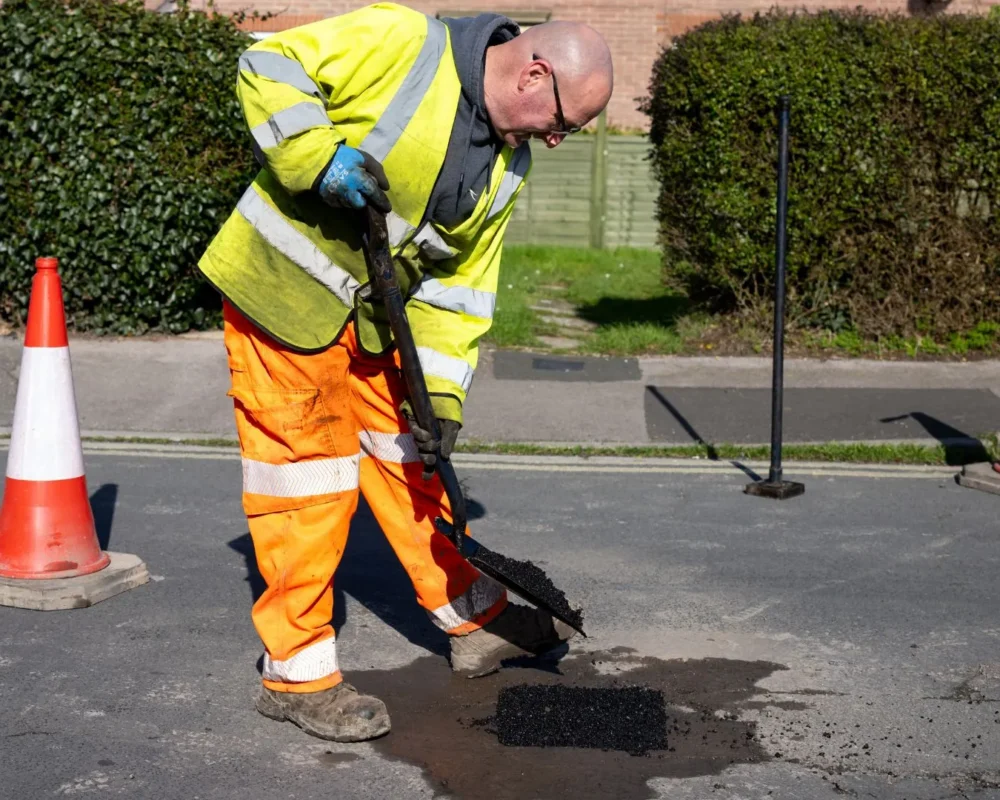
When you drive through the potholes and your suspension gives out, or when you sit fuming at temporary traffic lights because of roadworks, it’s for a reason. It’s because the cost to you in delays and disruption doesn’t figure much in the council’s budgeting or the contractors’ work schedules. The familiar ‘I don’t give a […]
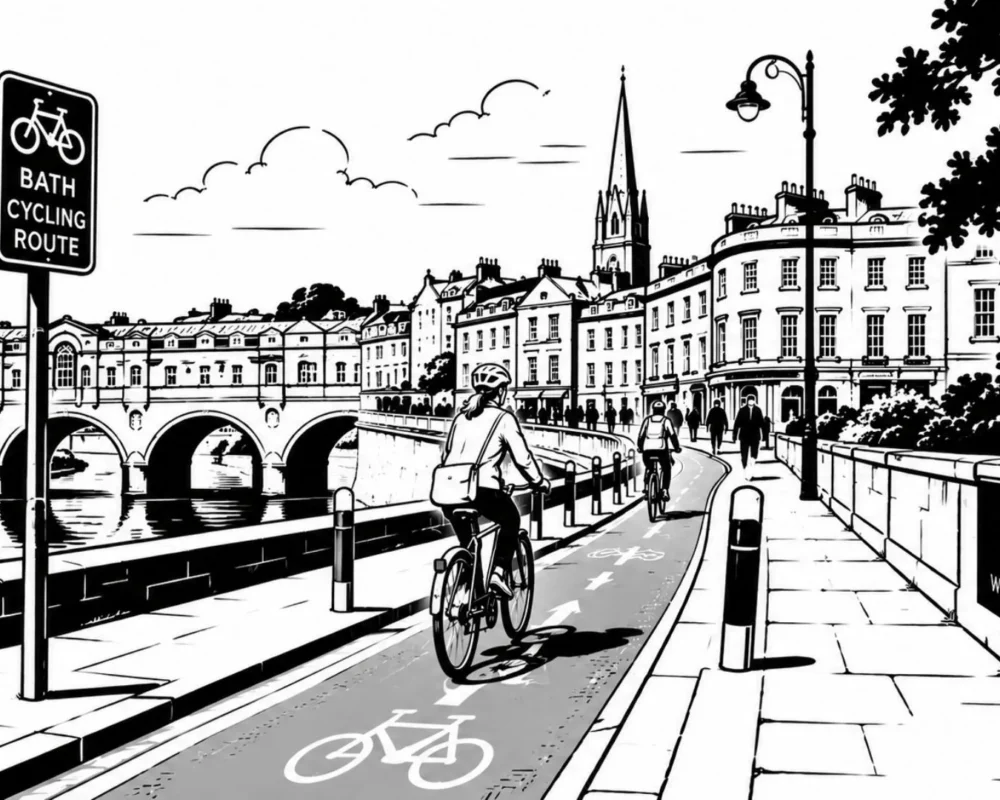
This week, Nimby Watch is in Bath, where councillors are at loggerheads over the concept of safety. I dislike Bath, and do not think it agrees with me, and yet Bath is to be my home? Aren’t you full of surprises? I didn’t have you down as a fan of Jane Austen, and here you […]
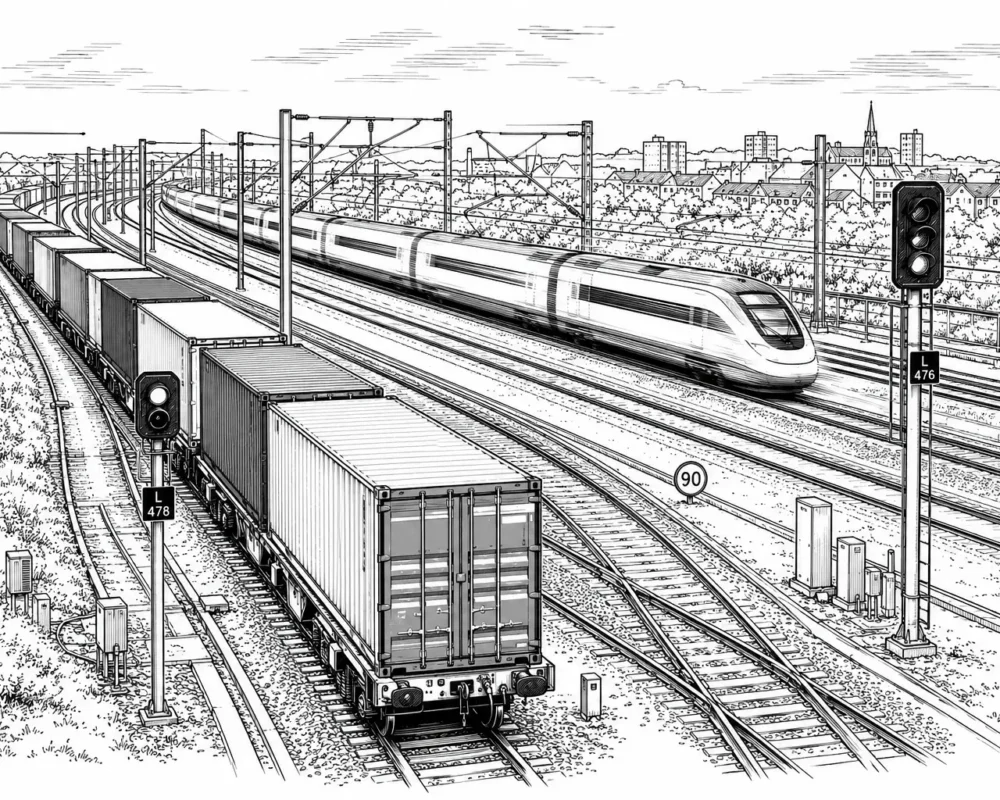
Trains run on rails. And access to these rails determines what services can be offered. Back in the 19th and early 20th centuries the railways were privately owned. Most companies, however small, initially owned their own permanent way. It soon became apparent that, rather than forcing passengers on long journeys to disembark and join another […]