Digital ID is the cure for our administrative chaos

Photo: Getty Images
Keir Starmer’s proposed digital ID scheme is misguided – yet even its fiercest critics should not be opposed to digital ID in principle. When done right, digital ID can make government more efficient, services faster and citizens’ lives easier. The problem lies not in digital ID, but in the British state’s attempt to control it.
A month has passed since Starmer announced his plan to introduce mandatory digital ID by 2029. Polling now shows 45% of Britons oppose it, and nearly 3 million have signed an e-petition against it. The backlash is understandable. Mandating digital ID for everyone seeking employment violates our basic right to choose. Rousseau and Locke reminded us that government derives its legitimacy from the consent of the governed. A compulsory ID system is the very opposite of that principle.
Worse, Labour justifies their proposal as a tool to curb illegal immigration – the same populist reasoning that doomed Tony Blair’s ID card scheme two decades ago. Short-termism should never drive policy, especially one with the potential to transform the relationship between citizen and state.
Yet I would mourn the death of this policy. Properly designed, digital ID is a non-invasive, voluntary technology that streamlines public services and strengthens privacy. Many countries like Estonia and Australia already run such systems successfully – but the model that Britain should seek to emulate is not those state-run frameworks, but Sweden’s privatised BankID.
In 2001, a consortium of Swedish banks, not the government, created BankID: a digital identification tool now used by more than 8.6m people, and 99.9% of Swedish adults aged 18-67. It allows secure log-ins and e-signatures for banking, taxes, healthcare, contracts and thousands of other services. It is funded, administered and safeguarded entirely by private enterprise. No cost is borne by the taxpayer. Banks earn modest fees from businesses and agencies that use the system, while citizens enjoy convenience and trust.
It works because banks already possess the infrastructure and incentives to keep data secure. Each BankID verification shares only a one-time encrypted ‘token’, never the user’s raw information. Multi-factor authentication and device-stored private keys make fraud almost impossible. The reputational risk of failure lies squarely with the banks, which ensures reliability and accountability – something government systems rarely deliver.
The results speak for themselves. BankID is used on average twice a day by every adult Swede. Over 7,500 public and private services now integrate it, compared with 3,200 in 2019. Administrative friction has been slashed: digital mortgage applications take a single day in Norway’s equivalent system, compared with the previous 16-day, paper-laden process. These efficiencies ripple across the economy – cutting costs, preventing fraud and boosting productivity.
Britain’s planned state-run digital ID could cost £1 billion to build and another £100m annually to maintain. A BankID-style model would deliver the same benefits at no cost to taxpayers. McKinsey estimates that productivity gains from secure digital identification equal around 3% of GDP – nearly £60bn in the UK context – alongside billions in fraud prevention and NHS administrative savings.
The necessary foundations already exist here. Nearly 50m Britons hold bank accounts subject to robust customer-due-diligence checks – far more than possess passports or driving licences. Using banks as identity anchors is therefore not just cheaper, but more inclusive.
Britain also has the infrastructure for a population register and a digital framework. National Insurance numbers could be expanded into universal personal identifiers, while the Government’s new ‘digital identity and attributes trust framework’ already sets standards for secure interoperability between systems. The pieces are in place; what’s missing is the political will, or competence, to deliver it.
Sceptics argue that Britons simply don’t trust the state with personal data. Fair enough – but that’s an argument for BankID, not against digital ID. In Sweden, high trust flows from transparency and private-sector stewardship. Banks – not bureaucrats – protect identities, and their commercial reputation depends on it. By aligning technological innovation with market accountability, Sweden created a system resilient to cyber attacks and embraced by over 90% of adults.
Critics on both the Left and Right portray digital ID as dystopian overreach – a ‘tool of suppression’, as Nigel Farage calls it. That may be true of a compulsory, centralised scheme. But a voluntary, decentralised digital ID administered by banks is not an assault on liberty; it is an expression of it. It allows individuals to control their information, authenticate securely and transact freely – all without state interference.
As a dual British-Swede, I have witnessed these benefits first-hand. Before gaining full access to BankID, renewing a passport took months; now it takes days. For ordinary Swedes, it means signing rental contracts, paying taxes and accessing healthcare with a few taps. For businesses, it means less paperwork and fewer errors. For government, it means efficiency without bureaucracy.
Britain’s public services are creaking: satisfaction has fallen from 79% to 68% in a decade, and almost half of departments still lack a digital pathway. There are 191 ways to create online government accounts and 44 different sign-in systems. It is chaos – and digital ID is the cure.
To modernise the state and restore productivity, Britain must embrace true e-government. But e-government cannot exist without digital ID – and the only model that works is one built and maintained by private enterprise. Sweden has shown the way. All Britain needs is the courage to follow.
The free market, as ever, offers the best solution.


In a novel I have begun publishing on Substack, ‘The Allowance’, I imagine a future Britain in which AI and machines do most of the work and the state provides citizens with a daily allowance. Any credits (‘money’) left unspent at midnight expire. Saving has become socially suspect, and a government that began by taking […]
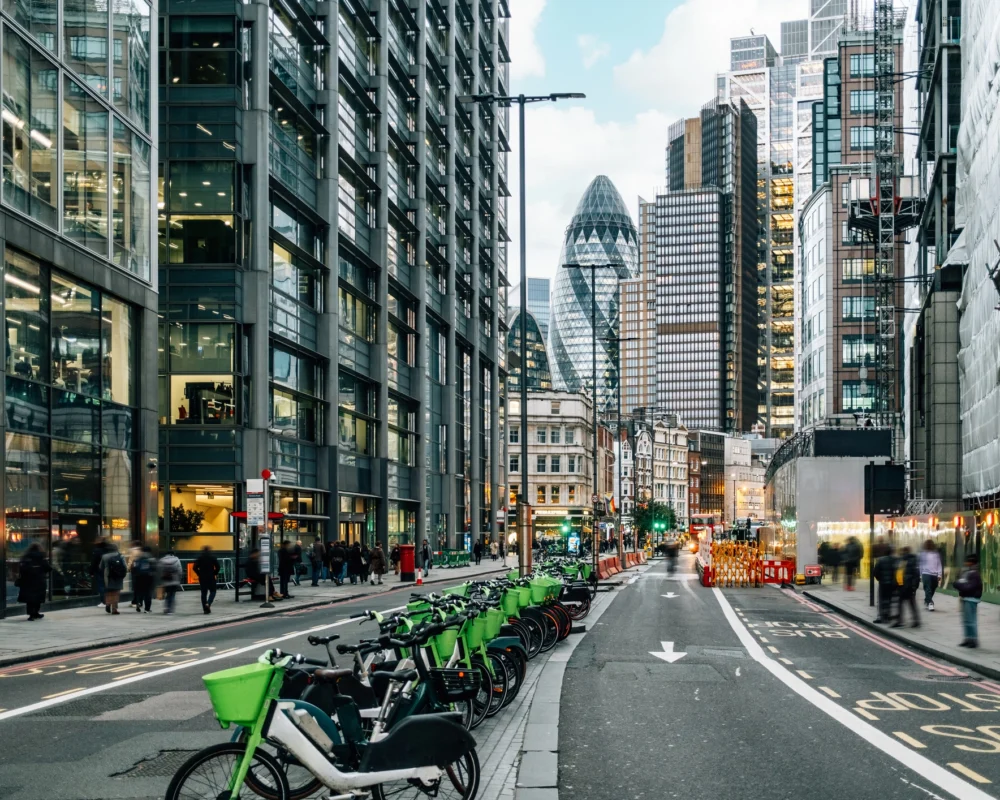
Dockless e-bikes are getting Londoners cycling at no cost to the taxpayer. So why is the Government planning to cap them? Cycling is the fastest-growing major mode of transport in London, up by 43% since 2019. This is good news for the Mayor’s Transport Strategy, which set a target for 80% of all trips in […]
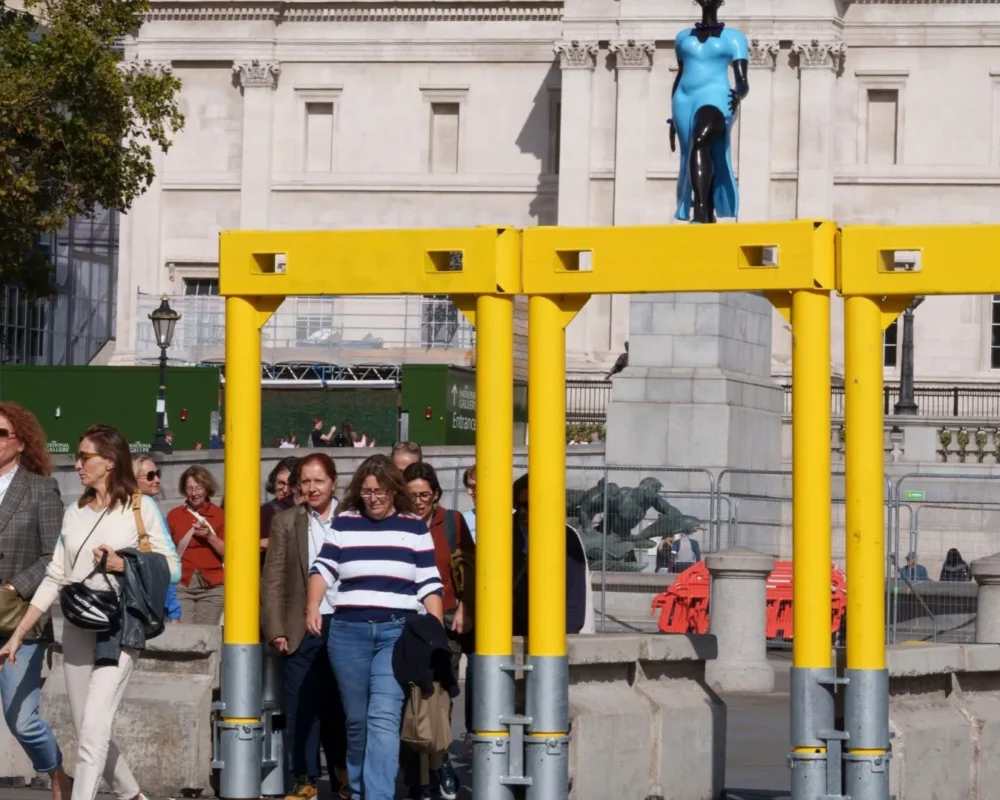
Mystery still surrounds an installation that appeared in front of the Bank of England some weeks ago featuring a Canon printer and a stream of bank notes inside a case emblazoned with ‘in case of emergency inflation break glass’. No one, it appears, is prepared to admit to the creation of a piece so ugly […]


