How the Conservatives can win again

Photo: Getty Images
The unfashionable truth about Margaret Thatcher is that she was never a radical. She was in fact Britain’s great counter-radical – the leader who hauled politics back from establishment extremism posing as moderation. By the late 1970s, the establishment ‘wets’, both within Conservative and Labour, had incrementally normalised endless subsidies, 83p tax rates and government-by-stoppage – then sold it as common sense and ‘meaningful reform’. That was the radicalism. Thatcher offered the opposite: reversal. She named the excess, and walked voters back to workable ground.
Today’s Conservatives face the same masquerade: hairbrained, expensive schemes masquerading as sensible policies. The route back is not Thatcher-mimicry, but a climb-down from inherited excess – plain talk about what’s broken (planning, quangos and performative regulation) and a clear plan to fix it. Do not posture. Do not apologise for doing the right thing. Tell the truth, do the work, pull Britain back to normality.
The hardest step is taking on the vested interests nearest the levers of power. The ones that consistently muddle honest debate by funding ‘independent’ reports that, surprise, happen to always endorse the policies that favour them. Their rhetorical trick is to cast rollback as radicalism and themselves as the sensible centre. Accepting this is the path of least resistance – and the default option in politics. This was also the temperament of Britain’s 1970s supposed steady-eddies: Edward Heath, Harold Wilson, James Callaghan. All were masters of concealing the internal bowing to vested interests – while consistently leading the country yet closer to the edge.
Thatcher was cut from a different cloth. She saw with razor-sharp clarity through the old, over-regulated, sclerotic structures and realised that mere mending would not do. She surrounded herself with new thinkers who helped map out a markedly more open and flexible market-oriented course and had the nerve to see it through when the vested interests howled.
Thatcher did not promise a painless glide; she levelled with voters, took the boos and carried on. When the economists’ letter demanded a U-turn, she gave the only grown-up answer: ‘You turn if you want to…’ – and then proved that refusing to subsidise failure was not cruelty, but the precondition for creating new jobs and new industries. The recovery did not arrive overnight, but it arrived – and with it a broader property-owning, share-owning democracy that made citizens stakeholders rather than clients. That is the point the caricatures always edit out.
The Iron Lady de-radicalised Britain not only by climbing down from corporatist dogma, but also in the way she ruled by embodying the silent majority most politicians have always just claimed to champion. Where Westminster grandees sneered – ‘suburban’, ‘housewife’ – she wore those labels like a badge. Where Labour’s class warriors spat invective, she answered with common sense, not with the left-wing revolution that serves the leaders but never the people.
She understood that most people do not crave either right-wing or left-wing paternalism; they want respect and the chance to get on. By turning millions into homeowners and shareholders, she shifted loyalties from clienthood to stakeholding – conservative goals dressed in everyday language. That is why, paradoxically, she had in many ways more in common with Clement Attlee’s brand of sober public service than with many of her contemporaries who trafficked in high-minded posturing. Thatcher’s gift was authenticity: she looked like the people she spoke for, so she spoke with them, not at them. Yet both Labour and the Conservatives still struggle to recognise the genuinely ‘folksy’ core of her appeal – a blind spot that betrays a deeper failure to hear what voters are actually saying.
A grocer’s daughter with a ledger, she spoke the language of the aspirational middle classes: do not spend what you do not have; sell what people actually want; respect work over slogans; work hard, do not complain too much, also do not make too much of a fuss about the gender thing – simply add as much as much value as you can, wherever you can. Thatcher’s programmes – Right to Buy and mass privatisations – made ordinary people involved in the economic system around them. She drew fury from left-wingers for having the audacity to appeal to ‘normal’ people through such right-wing policies – without even apologising.
She provoked fury from her own party’s wets by stripping them of the spotlight and respect for their radicalism dressed up as moderation. As soon as they could, they pushed her out and set about besmirching her legacy – not out of principle, but to re-empower the establishment faction she had uniquely tamed. They largely succeeded; their return helps explain why the party of today so often drifts into insular, out-of-touch thinking.
So what should modern Conservatives do? Thatcher’s real inheritance is not a 1980s museum piece, but a method for demystifying politics. Voters yet again smell the corporatist snake oil – policies dressed up as common sense while serving the well-connected on both sides of the aisle – and they are done with being told they are too ill-informed to know their own good. If the party wants to win again, stop mouthing ‘Thatcherite’ slogans and instead defend something simpler: normal people. Return power and responsibility to citizens, and the country will be waiting where it always was – in the quiet, stubborn, authentic centre.

After months of anticipation, Alan Milburn’s long-awaited review into Britain’s NEETs crisis has now been released. Milburn’s report does address the NEETs crisis with the ambition required. With almost a million young people not in employment, education or training, he rightly says that ‘we’re at risk of a lost generation’ of young people, and his […]
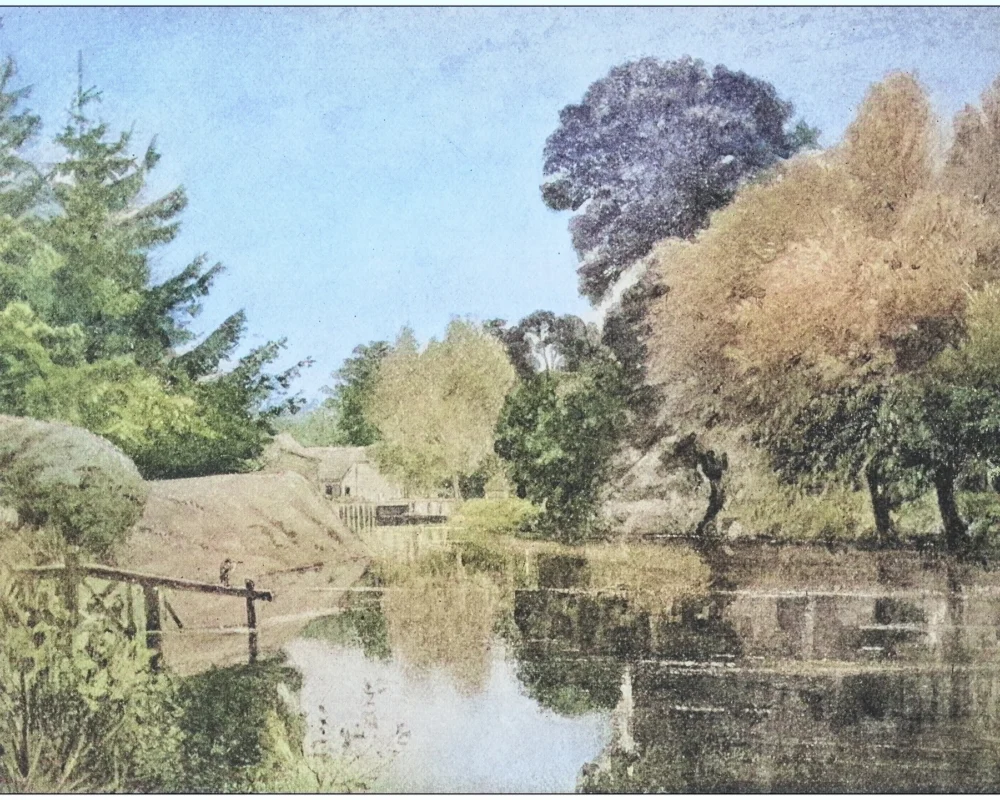
This week, Nimby Watch ventures out to the village of Cookham, just south of High Wycombe, and about 30 miles to the west of London… What a beautiful village! Something seems very familiar about this place, though. It should: Cookham might have become the archetypical English village, not least because it served as the real-world […]

Alan Milburn revealed the truth about one of Britain’s most fraudulent small taxes. His NEETS report says we should be ‘honest about what the Apprenticeship Levy is, which is a payroll tax. It is not a hypothecated tax and it is not ringfenced for apprenticeships. Government sets an apprenticeship budget, which is generally lower than […]


