Will Kruger’s defection remake the British Right?

Photo by Dan Kitwood via Getty Images
Well, they’ve done it: Reform UK have, by the defection of the former Tory MP Danny Kruger, grown their Parliamentary party to five – exactly as it was after last year’s general election.
Each rise and fall of Nigel Farage’s gang of MPs speaks to Reform’s weaknesses and strengths. The loss of James McMurdock and Rupert Lowe, both of whom were elected as Reform but now sit as independents, reflects the party’s issues with candidate selection and inability to contain anybody who stands up to Farage.
Their two replacements in the Commons, on the other hand, represent Reform’s strengths. Sarah Pochin’s election in the formerly safe Labour seat of Runcorn & Helsby confirmed the party’s impressive showing in the opinion polls. And Kruger’s defection shows that Reform can appeal to more than just the has-beens and never-should-have-beens in the Tory Party, but to current MPs as well.
As one of the most intellectually engaged people in conservative politics and a sitting MP, Kruger’s departure from the Tories is of a different order than that of David Jones or Nadine Dorries. Even so, it is far from guaranteed to be of any great significance. History is full of MPs who have abandoned their old party for the warm embrace of another. Remember Robert Jackson? Alan Howarth? Emma Nicolson? If you’re scratching your head or reaching for Wikipedia, my point is made.
But if a significant number of Conservative MPs follow in Kruger’s wake – turning the trickle of defections beyond Parliament into a flood within it – then everything changes. A mass of defections would deny the Conservatives one of their biggest assets: their overwhelming parliamentary strength versus Reform. While 120 MPs may be paltry by the Tory party’s historic standards, it far exceeds Reform’s five. And it keeps Kemi Badenoch’s party as the official opposition, making much of the political weather in Parliament.
Any wobbly Tory MPs would be wise to wait and see before taking inspiration from this week’s events. Firstly, in time, Kruger’s defection will expose how Farage copes with another MP with ideas, a voice and a desire to be heard in the teal tent. So far, none of Farage’s party, despite all their successes, have ever transitioned from a one-man show to a genuine ensemble performance. The example of Lowe, or the scores of others who have fallen foul of Farage in either UKIP, the Brexit Party or Reform UK, suggests the relationship between Kruger and his new leader could soon turn combustible.
The other reason to keep a watching brief is that Kruger’s entry into Reform will bring to the fore one of the party’s biggest challenges: ideological coherence. Farage’s party spans the spectrum from libertarians who think Rishi Sunak was a socialist, like Richard Tice, to longstanding former Labour members like Lee Anderson. Now it includes Kruger, who is neither. What chiefly unites them all, for the time being, is anger about recent levels of immigration. But to govern, as Reform claim they soon will, is to choose much more than the number of people allowed into the country.
As we approach the next election, Farage & Co will need policies – lots of them – on everything from tax rates to support for industry, and housing policy to benefits. Can Reform stay united when such specific policy choices are demanded? So long as the party is populated by Farage loyalists who don’t appear that interested in policy, then yes. But the more people Reform have like Kruger, who are seriously interested in ideas and policy, the more difficult it will be to hold together.
And so this week’s defection brings risks for both the Tories and Reform. If the Conservatives look like the least promising wing of the British Right, other MPs will likely follow Kruger’s lead. But for that to happen, Reform must show that it can absorb and make use of people like Kruger, and not simply demand that they become fellow worshippers in the cult of Farage. More than that, it will need to demonstrate that it has a coherent agenda around which Reformers can coalesce.
The stakes just got higher for both parties on the British Right.


Between all the usual August silly-season news stories about how the Prime Minister makes tea (milk first, apparently) or his go-to Greggs pie (it’s the sausage, bean and cheese melt, since you asked) was something altogether more serious: where the Government plans to build 70,000 of its promised 300,000 new affordable and social homes. It […]

This week, consultation closed on the Government’s proposals to place further restrictions on the use of zero-hour contracts. Labour’s intention was signalled in last year’s Employment Rights Act, which obliges employers to offer a guaranteed-hours contract based on the average hours worked in a ‘reference period’, to give workers ‘reasonable notice’ of shifts, and to […]
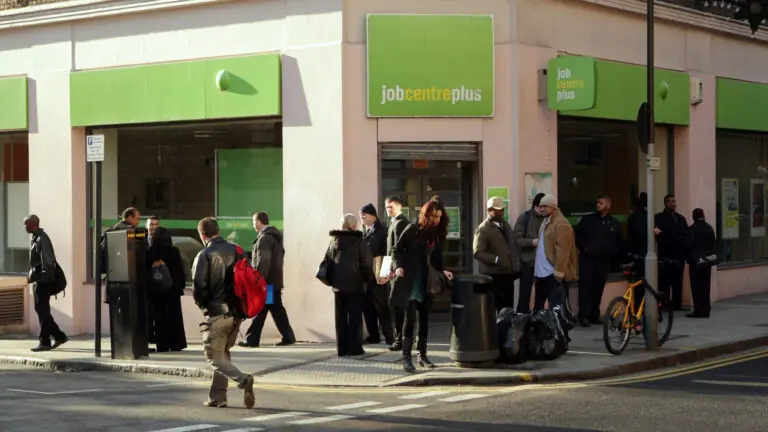
This morning the Guardian reported ‘Number of young people in UK not in work or education falls below 1 million’. Technically yes. The ONS released new statistics today which show that the number of people aged 16 to 24 not in employment, education or training (NEET) is down 30,000. Unfortunately, it is not cause for […]