Why are politicians taxing our legacies?

Leon Neal/Getty Images
If rumours are to be believed, Kemi Badenoch and the Conservative Party are thinking about scrapping inheritance tax.
Inheritance tax is a pernicious tax that punishes people for doing things that we are supposed to do: building things, saving and investing. Crucially, it is also a tax on loving your family and wanting to leave a legacy.
Your children are far more deserving of your money than politicians
But because your death is a lucrative windfall to the NHS, benefits claimants, refugees and other worthy causes (currently around £8.7 billion and due to rise to £15 billion in a few years), the government feels entitled to take 40% of your estate after your nil-rate band (the amount, up to £1,000,000, which is taxed at 0%) is exhausted.
Much of the inheritance tax debate focuses on these headline rates. But people don’t realise that inheritance tax is riddled with loopholes that mean that other parties benefit while your children lose out.
The most glaring example of these loopholes is political parties. At present, gifts to qualifying political parties are exempt from inheritance tax under section 24 of the Inheritance Tax Act 1984. A ‘qualifying political party’ is a party which, at the last general election, had two MPs elected to Parliament or had one MP and whose candidates received 150,000 votes.
Think about the moral lesson that this sends. Your children are less worthy of your toil, tears and sweat than organisations headed by Nigel Farage, Andy Burnham, Kemi Badenoch or, before 2018, Gerry Adams.
Political parties are well aware of this embedded loophole. Indeed, in the Labour Party’s Free Wills Guide, it twice states that all gifts left to a UK political party are exempt from inheritance tax and it even provides suggested wording to specify that any gift is ‘free of tax’.
The largest beneficiaries are the Conservatives who received on average just below £660,000 per annum between 2018 and 2025 (excluding a £10m donation from Lord Sainsbury in 2023). The Tories are followed by the Scottish National Party and then Labour. Although Labour received the most in 2024 in legacies with £861,000.
(It’s worth noting not all parties report legacies as a separate line item in their accounts, including Reform UK and the Liberal Democrats).
Given that reforms to political party funding are currently being debated in Parliament, and given the scrutiny being placed on Reform UK’s finances, this seems like a blind spot on the part of the current Labour government.
It’s not as though section 24 has been a static piece of legislation enacted in 1984, either. It was originally subject to a cap of £100,000 which was removed in 1988. And as recently as this year, section 24 was amended so that legacies bequeathed to political parties by someone from their pension assets also qualified for this exemption.
So, if Kemi Badenoch and the Conservatives choose to scrap inheritance tax, they should be praised.
By doing so, the Conservatives will remove this unfair advantage in favour of political parties and send the message that your children are far more deserving of your money than politicians.

Andy Burnham’s much-promised strong and decisive leadership has been long on vibes, short on action during his first 100 days. With one telling exception. He has stuck to his guns about what the nation should call white bread rolls. Namely, ‘barm cakes’, as they do in his new constituency of Makerfield. In doing so, he’s […]
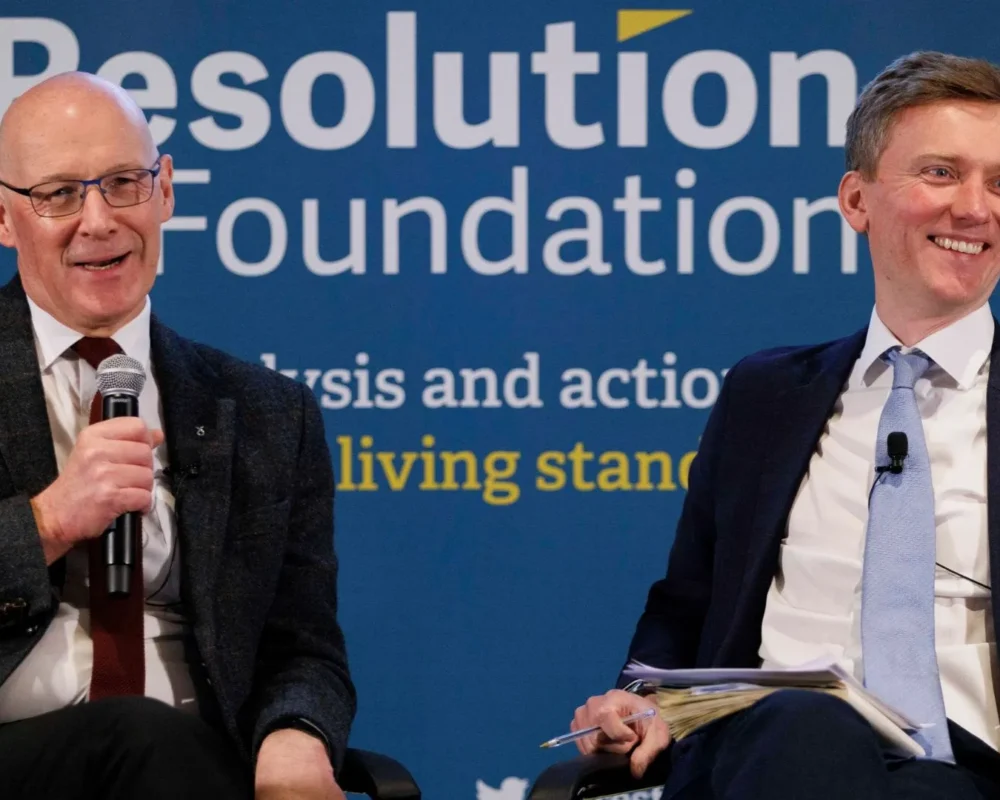
The problem with being a political golden boy like Labour pensions minister Torsten Bell is that it paints a target on your back, putting you firmly in the crosshairs of rivals and commentators in your own party and the opposition every time you do or say anything at all. Kudos, then, to the man widely […]
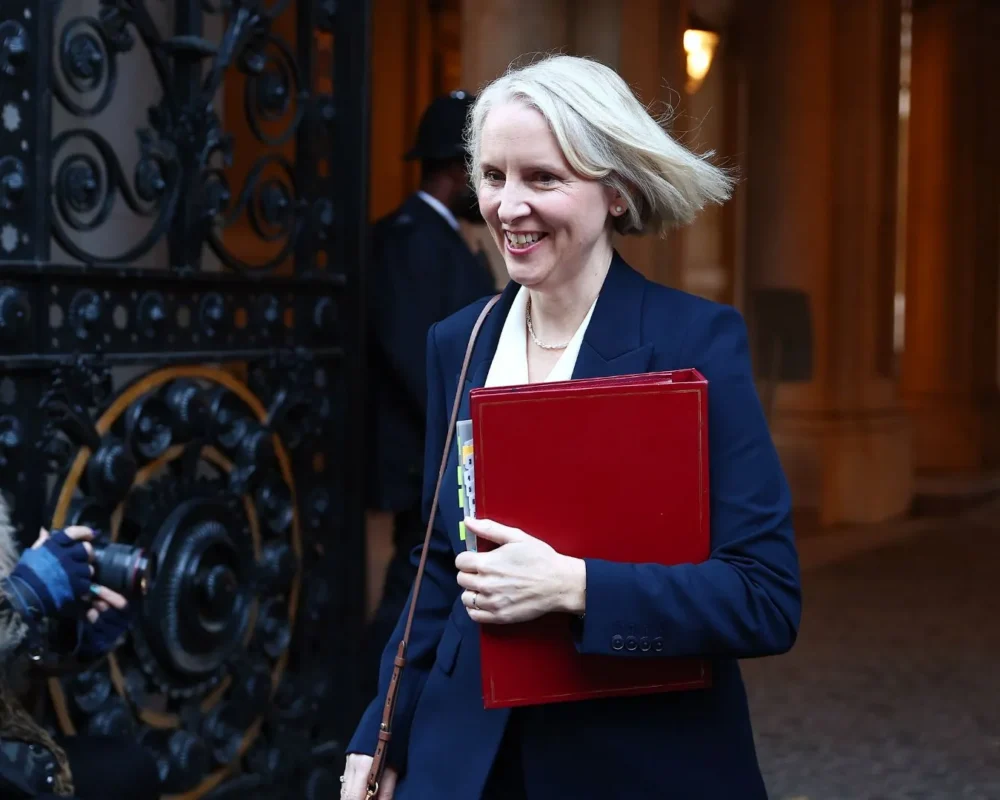
Emma Reynolds, the Chief Secretary to the Treasury, is one of the more sensible Labour MPs. She resigned as a front bencher when Jeremy Corbyn was elected leader and is firmly in the moderate wing of the Labour Party. Which is why her comment yesterday that ‘I don’t think employers are working people’ is all […]