When did Ofcom become the world’s morality police?

Photo: Thomas Fuller/NurPhoto via Getty Images
Ofcom’s determination to dictate to the world’s media what they are allowed to say continues apace. Its latest proposals are contained in an obscure-sounding draft rule just introduced by the Government called the The On-demand Programme Services (Tier 1 Services) Regulations 2026. This would essentially bring suppliers such as Disney+ and Netflix, and anyone else with more than 500,000 UK users, under much the same regulatory umbrella as home-grown broadcasters. Even if not based in the UK, they would have to avoid harmful content, present news in an impartial way, and make changes to the accessibility of their programmes. If they did not, they would face fines of up to £250,000 or 5% of global turnover, whichever was more.
This is promoted as obvious and sweetly reasonable. If more and more people are ditching the mainstream broadcast media in favour of the new pick-and-mix upstarts, it only makes sense that they should be protected in the same way wherever they get their news and entertainment from: furthermore, there remains a pressing need to tame the scandalously unregulated digital Wild West.
What’s not to like? Actually a lot. This is a remarkably dictatorial and illiberal proposal, that bodes poorly for both our relations with other countries, and seriously threatens both freedom and intellectual interaction across boundaries.
For one thing, Ofcom has already poisoned relations worryingly with the US by its barking of orders at US websites such as Gab and 4Chan, including demands for ludicrous six-figure fines for not complying with the bureaucratic and censorious requirements of the Online Safety Act. Any similar attacks on Netflix or Disney can only make things worse; further, with megacorporations this size (Disney alone has a market cap of about $180 billion) it may very well end up with a bloody legal nose.
This is also an assault, though not expressed as such, on the free and generally beneficial cross-border transfer of news and information. By reinforcing the process of demanding that corporations like Disney tailor content according to the requirements of all sorts of different national standards, Ofcom and this Government are promoting a dangerous move from relatively free exchange to an increasing world of carefully-guarded national informational silos where nothing contrary to the standards set by national bureaucracies can penetrate. This will in the end impoverish us all, culturally and almost financially as well.
Most of all, however, what we have here is a very disconcerting attack on the ordinary person in this country and his right to choose what he wants to watch or see. The Government’s press release on the new rules is telling. The fact that domestic TV has to comply with Ofcom’s broadcasting code and accessibility requirements, while many of the UK’s most popular video-on-demand services are not, poses, we are told, a ‘risk to audiences’ and a ‘lack of consistency’. The horror! All news broadcast here, wherever it comes from, must be reported ‘accurately and impartially’: we must impose accessibility requirements to ‘bring benefits to people with disabilities’, and ensure that ‘more content can be enjoyed by everyone’. In other words, we must all be wrapped up, whether we like it or not, in a warm comforting blanket of paternalism carefully woven for us by those who know what is good for us. If anyone steps out of line we must be taught to complain to Ofcom, who will fight our corner against Big Bad Tech.
This is the antithesis of freedom. Imagine that before we had broadcasting as the universal source of news, someone had proposed similar controls on newspapers, including a ban on foreign newspapers being sold here unless they obeyed our rules. (On second thoughts, don’t: it might give someone from Ofcom ideas). This is really the same thing in another form. Even if we want to buy material from abroad that Ofcom thinks reports the news non-impartially, or contains something seen by Ofcom as harmful or offensive, we are apparently not to be allowed to do so. It’s all for our own good, after all.
In 1930 Evelyn Waugh’s satire ‘Vile Bodies’ gleefully depicted well-meaning customs authorities at the Channel ports guarding the morals and interests of Englishmen by diligently searching passengers’ luggage and instinctively confiscating books as particularly suspect. We’re not at that stage yet, but there is a distinct whiff of ‘Vile Bodies’ in Ofcom’s antics and (one suspects) in the opinions of too many people who work there.
There is one saving grace. The regulations are currently in draft. There is still time to make a stink about them and urge MPs not to pass them. It’s a long shot, but then, come to think of it, governmental U-turns aren’t entirely unknown.
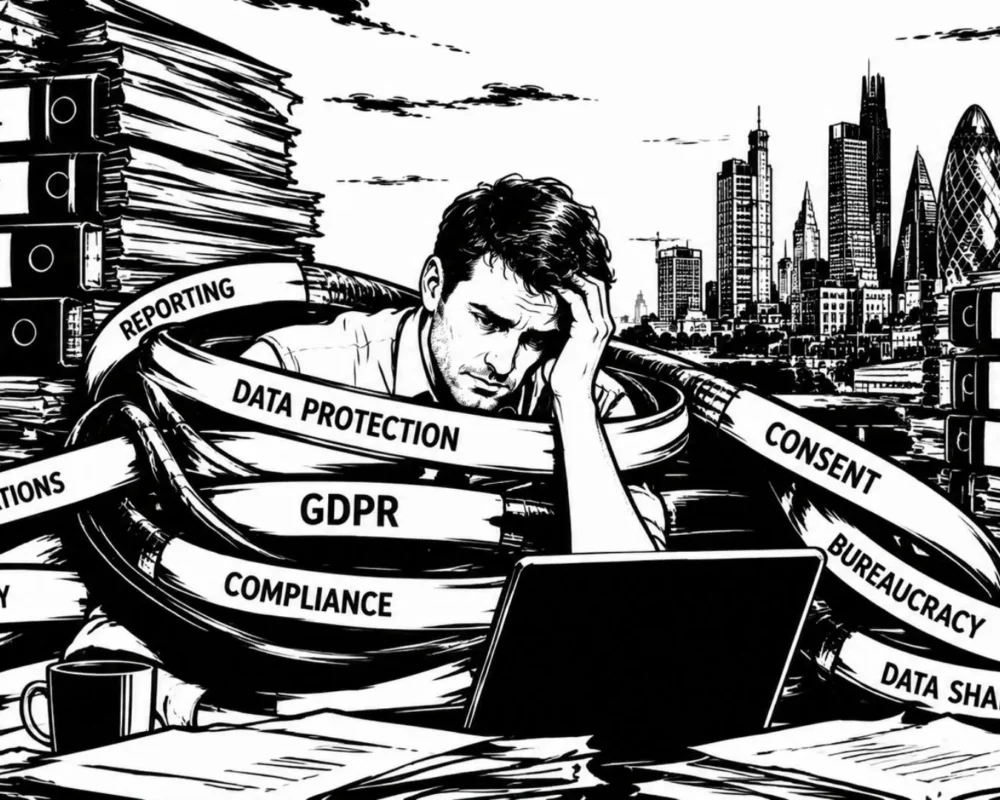
Most people experience data regulation pretty much every day through those insufferable cookie pop-ups. This tick box process of getting user consent ultimately benefited nobody while practically annoying everyone. Hundreds of millions of human hours have been spent clicking through those things on websites across the internet. The previous Conservative government promised to get rid […]
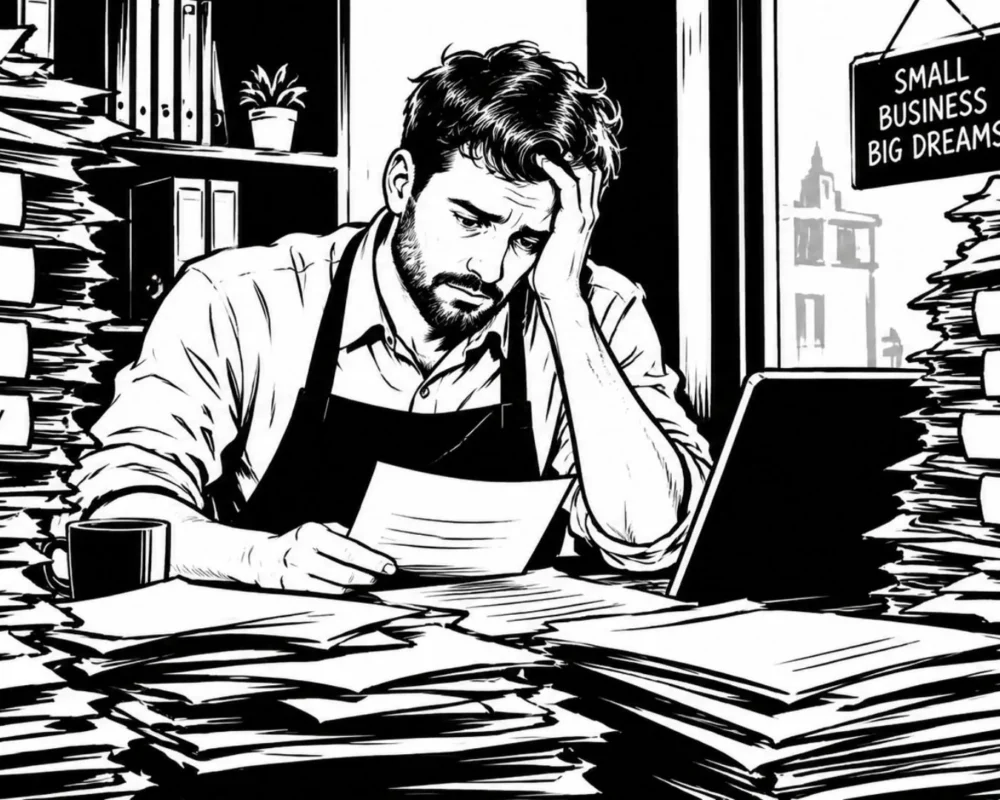
The lifeblood of the economy. The backbone of Britain. When it comes to small businesses, it’s easy to lapse into cliché. But that’s because they really, really matter. The overwhelming majority of businesses in Britain are small businesses. They employ more than 13 million people. And it’s almost impossible to exaggerate how tough things are […]

Under Westminster City Council’s planning policies you couldn’t build Parliament today. In the eyes of modern planners, the gothic revival Palace of Westminster would be considered ‘pastiche’ – and Westminster City Council writes on pastiche that: …pastiche designs, which are pale imitations of historic buildings, [are not] appropriate or desirable. There are lines like this […]