We have given up on choosing who can live here

Photo: Getty Images
When Britain decides to admit someone as an immigrant, it’s making a deliberate choice about who deserves the privilege of living here. That choice should be based on clear benefits to the country and existing residents – logically, people who improve our situation, not maintain the status quo.
Yet a recent New Statesman piece treats the opposite as vindication. The article notes that 48% of London’s social housing was occupied by foreign-born heads of household at the time of the 2021 Census, roughly matching their population share in London, and presents this as evidence that concerns about social housing allocation are overblown. But this misses the fundamental point: if we’re actively choosing who to admit, rates of welfare usage commensurate with the inflow are far from evidence of policy success.
Migrants should be substantial net contributors and Britain should adopt what the Centre for Policy Studies’ (CPS) ‘Taking Back Control’ report recommended as a ‘grammar school of the western world’ approach to immigration – selecting only the highest skilled and most economically productive candidates. A migration system that genuinely prioritised the ‘best and brightest’ would have resulted in negligible levels of social housing usage.
The broader picture reveals just how thoroughly we’ve abandoned any pretence of selectivity. Other CPS research shows dramatic variations in social housing usage by country of birth across England and Wales. While immigrants from Western Europe, Canada, New Zealand and the United States have very low rates of social housing usage, those from Somalia, Bangladesh, Jamaica and Afghanistan range from 34% to 72%. Seven in ten Somali-headed households live in social housing, compared to just 17% of ‘White British’ households (to use the official Census categories).
Foreign-born households don’t just use social housing at alarming rates, they also receive much larger implicit subsidies when they do, typically getting larger properties in more expensive areas. Analysis by the Pimlico Journal found that in 2021, households with foreign-born heads in social housing received £6.1 billion in implied rental subsidies, representing 31% of all such subsidies despite being just 19.9% of tenants. Each received an average of £7,651 per year in implied subsidies, compared to £4,222 for British-born households.

We’ve created a backwards system: young British-born graduates struggle to afford decent accommodation in London while subsidised social housing gets allocated to people we’ve actively chosen to admit, funded by the taxes of those same struggling graduates. With almost 300,000 middle-earners set to be priced out of Inner London by 2035, the displacement is only getting worse.
Naturally, this pattern extends far beyond just housing. The same countries that dominate social housing usage also produce the highest rates of economic inactivity. The ‘Taking Back Control’ paper also shows that working-age migrants from the Middle East, North Africa and Turkey are twice as likely to be economically inactive as someone born in the UK – 38.6% compared to 20.3%. Meanwhile, migrants from Australia and New Zealand have economic inactivity rates of just 11%. Even among British-born citizens, the patterns persist: those from Bangladeshi and Pakistani backgrounds show substantially lower full-time employment rates than White British people. The system is importing the same problems repeatedly from the same places and has failed to adjust..
Many would have us treat this as an inevitability, but immigration is nothing of the sort. It’s a deliberate policy choice, and choices have consequences. If we were serious about immigration serving the national interest, the people we choose to admit should be substantially over-represented among high earners and net tax contributors, and substantially under-represented among welfare recipients. This means setting overall limits and properly selecting for higher skills and higher wages.
The New Statesman’s argument reveals more than it intended to: equal outcomes in what should be a selective system signal failure, not success. When we import people who then require the same level of state support as those born here, we’ve turned immigration into a zero-sum proposition at best.
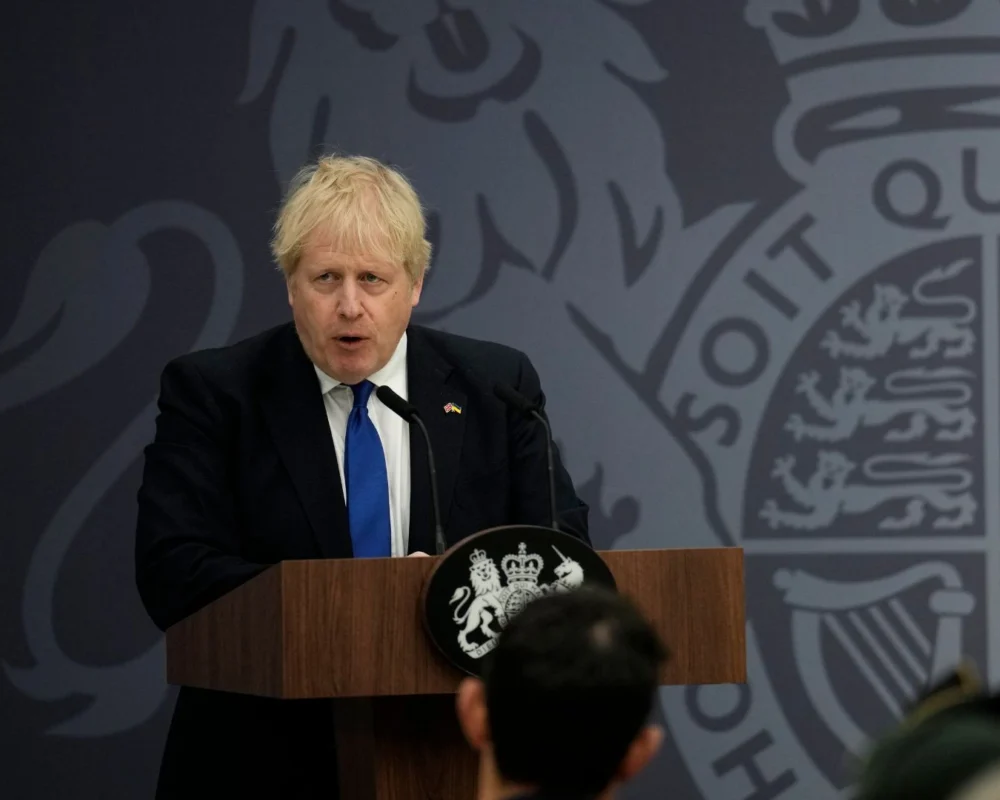
Whenever I think about Boris Johnson, the old French proverb ‘après moi le déluge’ comes to mind. It means a blithe, even nihilistic disregard for whatever ruination ensues after one’s own time. For many years, it was thought to have originated with Louis XV or his mistress Madame de Pompadour in the 1750s. It thus […]

Zia Yusuf has announced his proposal for a ‘Deliveroo law’ which would make it a criminal offence for CEOs and company directors to use or employ illegal immigrants, i.e., they’d face jail for non-compliance. And if that were not enough to discourage them, 10% of their global turnover could be seized for repeated breaches. Irrespective […]
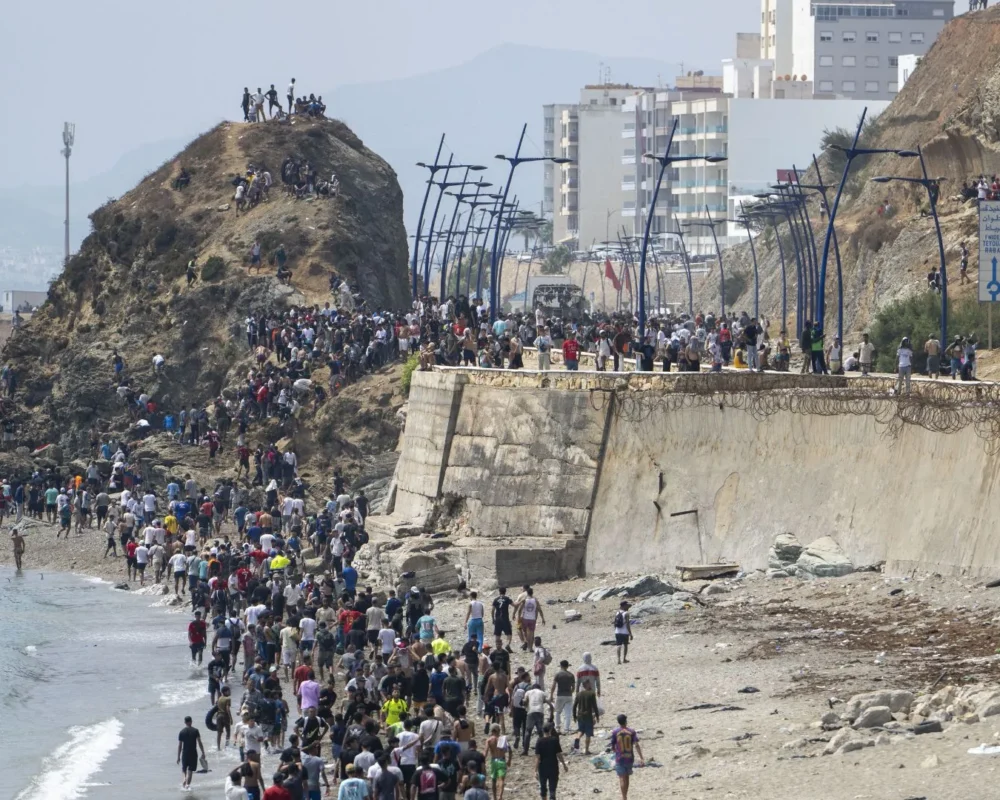
The EU was born to ‘screw’ the US. That’s what Donald Trump told reporters in 2025: ‘That’s the purpose of it, and they’ve done a good job of it. But now I’m president.’ But that wasn’t always the United States’s view of the EU. As historian Andrew Roberts wrote, the American State Department ‘enthusiastically signed […]