The UK should back talks between Russia and Ukraine
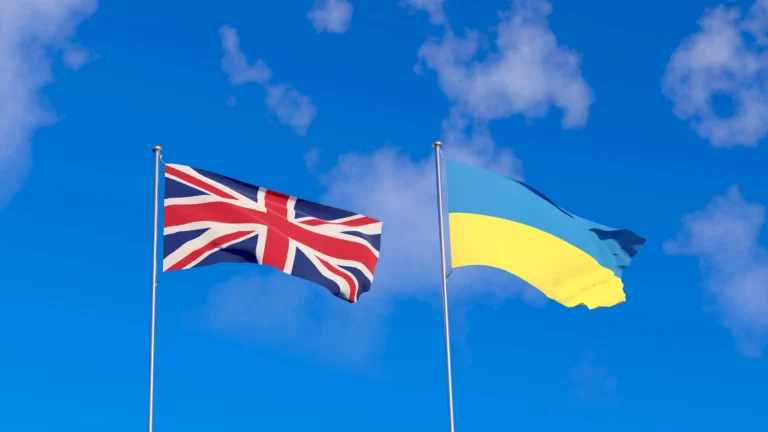
Wong Yu Liang via Getty Images
I have always supported the strong condemnations of the brutal and illegal invasion of Ukraine by Russia made by successive UK prime ministers on behalf of our country. The Ukraine war has dragged on now for nearly five long years allowing us time to change five prime ministers peacefully along with their governments.
I have also strongly supported the policy of two US presidents, Nato, and five UK prime ministers in ruling out any direct military action by Nato, UK and US forces. They rightly have not wanted to broaden and intensify the war between Russia and Ukraine by turning it into a war between Nato and Russia. Ukraine is not a member of Nato and Nato has understandably said a country should not join Nato at the time it is engaged in a war. Had Nato stumbled into this war, doubtless much more damage, death and destruction would have been visited on Ukraine and her people before Nato could declare victory. We would also have run the danger of unthinkable nuclear escalation from a cornered Russia.
One of my reasons for wanting out of the EU was the expansion of the EU through the old USSR lands and the development of a common foreign and security policy which might not suit UK interests
President Biden was slow to release weapons the Ukrainians needed. The main EU countries apart from Germany have been slow to provide the large financial aid Ukraine needs to sustain a government greatly strained by the superhuman effort required to fight the invaders. The UK was swift to provide weapons that could help the defence and has been generous with the money. The Coalition of the Willing has been long on rhetoric, keen to offer to police a peace that does not exist and tardy to increase aid to Ukraine.
Wars end in one of two ways. If one side conquers the other or secures unconditional surrender through superiority of force the war can end on the victor’s terms. Otherwise wars end through negotiated peace, with each side having to make compromises in order to achieve a new settlement to allow the cessation of hostilities.
The last five years have shown that so far neither side can secure an outright victory. The West offers just sufficient support in weapons and money to Ukraine to allow them to prevent further Russian advance and to counter the Russian continuing aggression. This is not a kind policy though a necessary one to prevent Russian conquest. It means a prolonged war with no end in sight. It would clearly be far better if there could be a negotiated peace. The Ukrainian people deserve to be able to live without fear of death and injury and without bombs hitting their homes and services. Many Russians too would doubtless like the end to the deaths of their soldiers and to the damage being done to their petrol supplies, trade and facilities.
Ukraine has developed its own weapons allowing them to reach far into Russian territory, with both sides seeking amongst other things to demolish each other’s energy installations. This is very bad for their own people and also does wider damage to the world economy and trade.
President Trump has been urging peace and has held talks with both sides. He is now thought to be too pro-Putin by the Europeans and Ukraine. He himself thinks this is Europe’s war, not his or Nato’s. He tells the EU to shoulder more of the burden of providing money and defensive weapons to Ukraine. He tells Ukraine more than Russia that it has to make concessions to bring about peace.
So what can the UK do now? The UK can reinforce the message to both sides that it is time for talks. The UK should let the EU lead the response to this crisis, as it centres around a would be member of the EU. The EU will be governing it after the war once the accession conditions have been met. The EU is best placed to explain to Russia how it will handle borders, trade, movement of people and other issues that will affect the relationship between Russia and Ukraine post-war.
The EU may also have to set Ukraine in the context of what their policy is towards other states bordering or near Russia that are applicants to join the EU themselves. This includes Moldova bordering Ukraine where Russia disputes Transnistria, and Georgia bordering Turkey. The UK cannot speak for the EU and cannot predict how much further the EU will expand.
One of my reasons for wanting out of the EU was the expansion of the EU through the old USSR lands and the development of a common foreign and security policy which might not suit UK interests. We are best when looking outwards across the oceans to Asia and the Americas, and taking a global, not a continental view. My study of European history showed me there had been too many European wars over borders, government power and religion. The UK lost too many lives from getting involved with wars that did not directly affect us.
The message from the Ukraine war to the UK is crystal clear. There are hostile actors in the world. Warfare is changing dramatically as it expands into the cyber sphere and as thousands of cheap drones can threaten tanks, ships and sophisticated and expensive weapons systems.
The lesson we must learn is the UK needs to look to our own defence. We need to be able to defend our islands and overseas territories, if necessary alone. The last century taught us the US might not turn up to a big war in the early years and our European allies could be overrun quickly. Germany and Austria Hungary in the First Word War and Germany and Italy in the Second World War were the enemies. The Falklands taught us we could not expect any military help from our allies so we fought it alone. In each case Commonwealth countries were a great help.
We should stay a member of Nato and seek to strengthen that alliance by joining in with the general rearmament urged by President Trump. The next President may take a more conventional approach to diplomacy and alliances reinforcing Nato. We need to remember that the Nato Treaty contains a crucial clause reminding each member to look to their own defences. Unlike the EU, Nato cannot make its members do things by law. It is an alliance of the willing where members decide whether to join a Nato mission or not.
These are uncertain times. The European continent is disfigured by war and by disputes over borders and who governs. We should be a voice for peace whilst rebuilding our own independent strength to defend our own homes, borders and values.
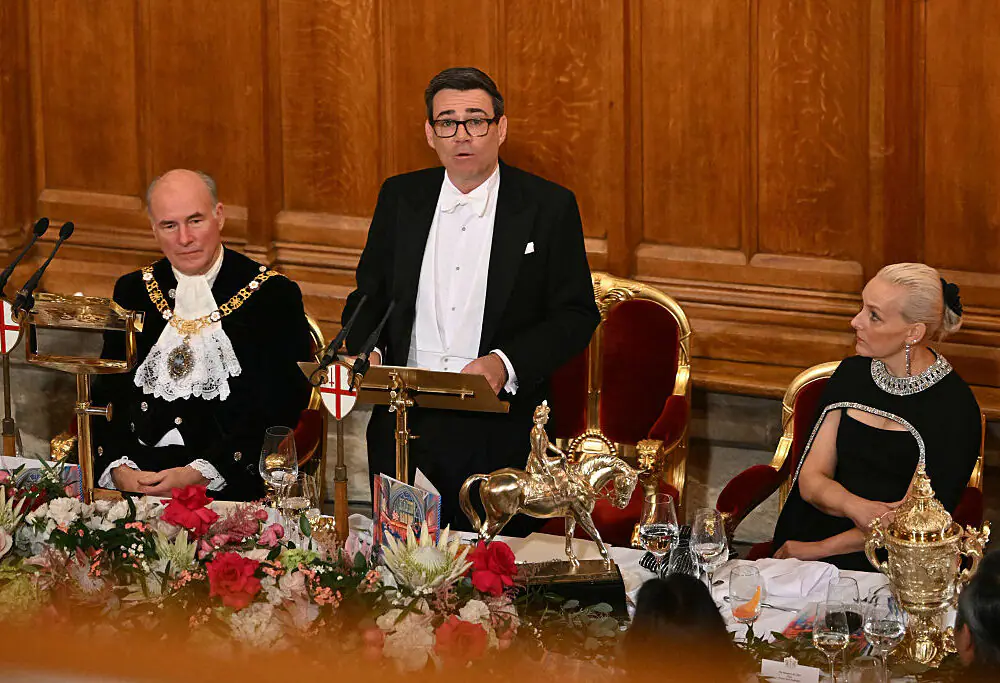
We’ve all had that feeling. You wake up after a boozy dinner and worry that you’ve said something stupid that will embarrass you. Well, on Monday evening, the man who is inexplicably Prime Minister told the Lord Mayor’s Banquet in the City of London that, ‘to be frank, we have lost more than we have […]

It may feel like a long time coming, but Britain is on the cusp of one of the biggest Brexit wins so far. In May, Britain became the first G7 economy to conclude negotiations on a multi-billion-pound Free Trade Agreement (FTA) with the six-nation Gulf Cooperation Council (GCC), following nearly four years of negotiations and […]
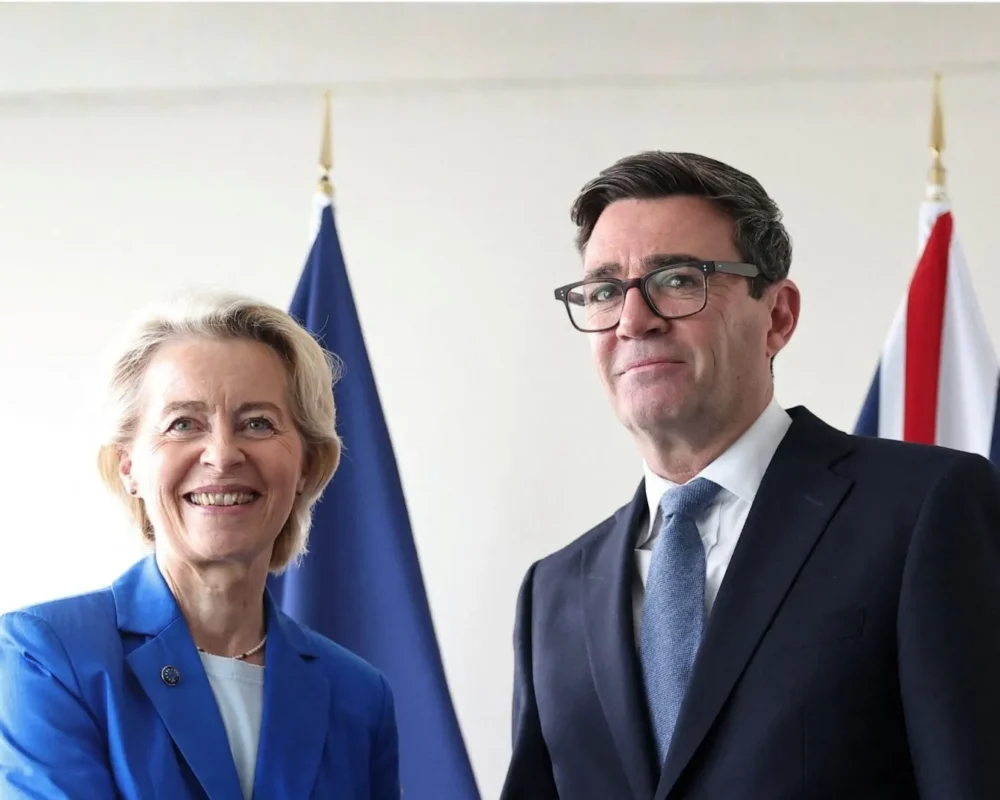
The Prime Minister’s speech at the Lord Mayor’s Banquet last night was catnip for those wanting the UK to rejoin the European Union. But it also exposed the feeble logic at the heart of the push to transfer more powers back to Brussels. For a start, the Prime Minister is wrong to claim that Brexit […]


