The return of history is shaking the West

Photo by Roberto Schmidt/Getty Images
If you want to feel really gloomy, think back to the beginning of the 1990s. The West had won the Cold War. The Gorbachev era seemed to suggest that Russia was embarking on a path of stability and democracy. There were indications that the Chinese leadership was interested in cautious moves towards international legality. Other conflicts were also abating. Between them, the grace of Nelson Mandela and the statesmanship of FW de Klerk appeared to offer a route towards democracy and prosperity. George Bush senior proclaimed a new world order. Francis Fukuyama hailed the end of history.
In the UK, ten years of Thatcherism had led to a fundamental change in the political climate. The formerly menacing ism – socialism – had become a wasm. There were still difficulties, most notably in the Middle East. But for those few blessed years it did seem that President Bush had been right and that human beings had taken giant steps to mastering the art of politics.
Instead, history has reasserted itself with a vengeance. Xi Jinping is eyeing Taiwan, and determined to make up for China’s ‘century of humiliation’ at the hands of the West. Vladimir Putin, in ruthless pursuit of Russia’s lost imperium, continues to pour blood and treasure into the meatgrinder of Ukraine. The Middle East is aflame.
At home, bad economic ideas are back in vogue, with the lessons of the Thatcher era seemingly forgotten. Even the democratic stability that could once be counted on to carry us through an era of political folly is in disarray.
The merit of democracy is that the electoral losers learn to live with defeat. What happens, though, when large numbers of voters lose all respect for those in power? Today, a large percentage of the UK population has concluded that Keir Starmer neither understands them nor cares about them – nor respects them.
This is a dangerous public mood. People understand that they would be wise to obey the law, because of the consequences of failing to do so. But such a grudging acquiescence is not enough. It is much healthier if most of the people believe most of the time that, despite complaints, those set in government are mostly on their side – and the country’s side.
The US is different in many respects. Yet even in the Land of the Free, where a greater distance between government and the people is taken for granted, many Americans now feel almost paranoically estranged, both from their political system and the current leadership. The Trump Administration’s recent attack on Iran does not seem likely to rally that divided nation around the Stars and Stripes.
Before his new world order remarks, Bush senior had expressed the wish to see a kinder, gentler America. John Major, Bush’s staunch ally and good friend, almost echoed that. He wanted a country at ease with itself. That was a long time ago.
So what happens next? First, time moves on. President Trump may well have fantasies about extending his term, but he is already the oldest US president ever sworn into office – beating Joe Biden by five months. He will pass.
As for the Trump legacy, that might still be dramatically successful. Let us suppose that he brings about regime change in Iran, Cuba and Venezuela. This would create its own version of a new world order, at least in Trump’s favoured hemisphere.
Yet as the Islamic Republic, now with Khamenei junior at the helm, digs in and threatens to choke off oil shipments through the Strait of Hormuz, success is far from assured. Trump may yet find, like the younger Bush, that it is not so easy to put up a banner declaring ‘Mission Accomplished’ and walk away.
Then there is the question of China. Would it be absolutely impossible to come to a modus vivendi with the Chinese, persuading them that a stable world economic order could be in their longer-term interests? As things stand, it seems more likely that President Xi is set on competition and antagonism, with Taiwan likely to lead to an explosion. How Trump’s Iranian adventure fares may yet prove critical to Xi’s calculations.
In Europe, no-one seems clear how long the Russians and the Ukrainians can sustain their current losses, or whether President Trump still has any interest in the so far thankless work of brokering a peace – or what terms he might demand from Ukraine to make a deal.
Everything is possible. By the year’s end, Trump could be a derided figure who lost the mid-terms, inflicted considerable economic damage on the US and entrapped it once again in the Middle East. Or he will be able to proclaim considerable geopolitical successes.
There is one point on which we can be certain. Starmer will not be able to claim any important success in anything. His main hope is to hang on to office. That will require a kinder, gentler Labour party at ease with itself.
That does seem unlikely.
History will not end. Any new world order will be partial. As so often, mankind will require two qualities, hope and luck. Will we indeed be lucky? We just have to hope so.

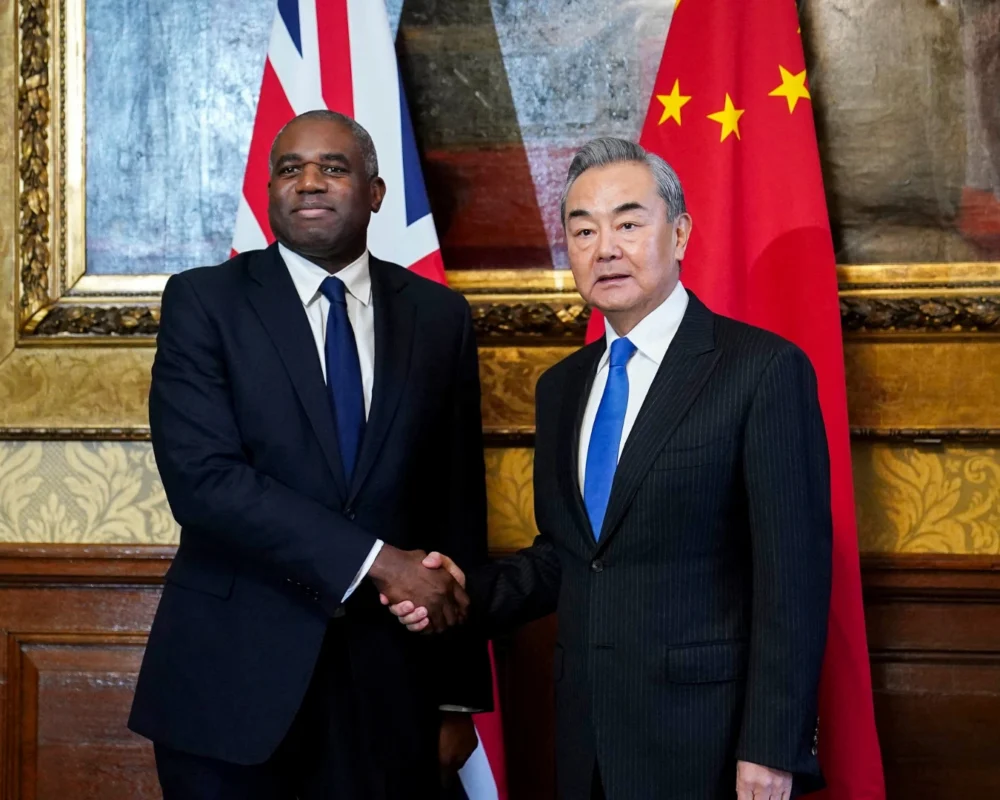
There is a long-standing maxim in broadcasting: always assume the mic is hot. In other words, if you are within range of a microphone, work on the basis that you are being recorded and exercise the appropriate level of discretion and confidentiality. Over the past 10 or 15 years, it has become clear that this […]
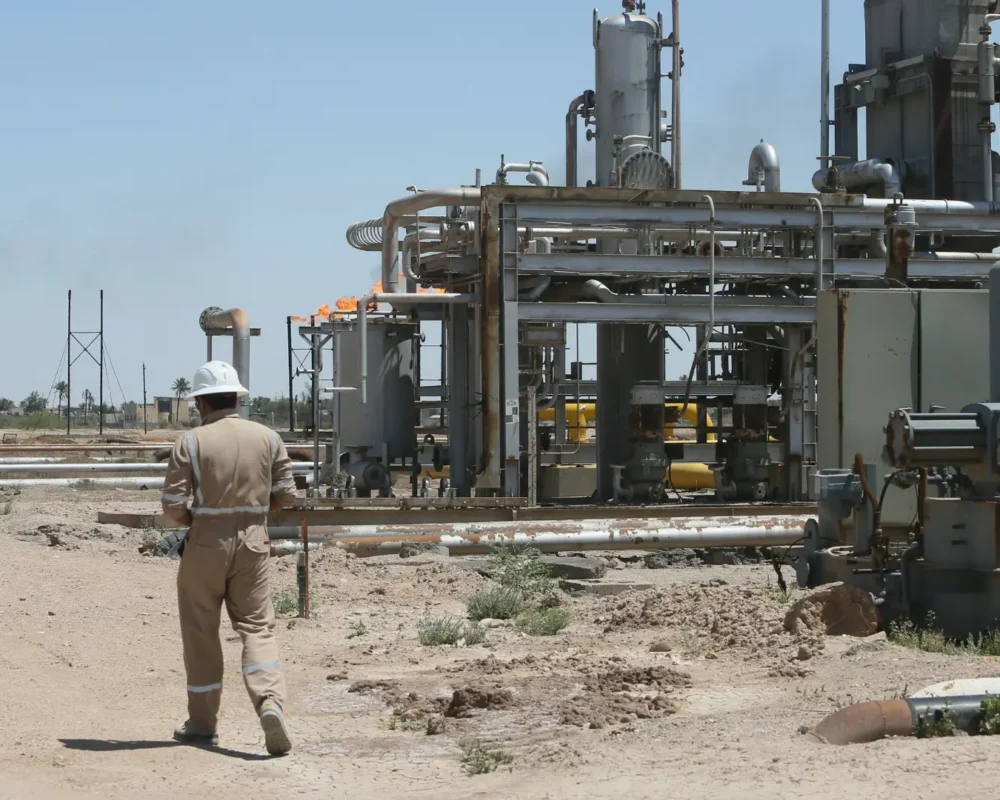
The Iran war has created the largest supply disruption in the history of the oil market, beating the shocks of the 1970s and the war in Ukraine. Whatever happens with Donald Trump and the Strait of Hormuz, the Middle East oil industry cannot afford to be this exposed again. The Gulf has the money and […]
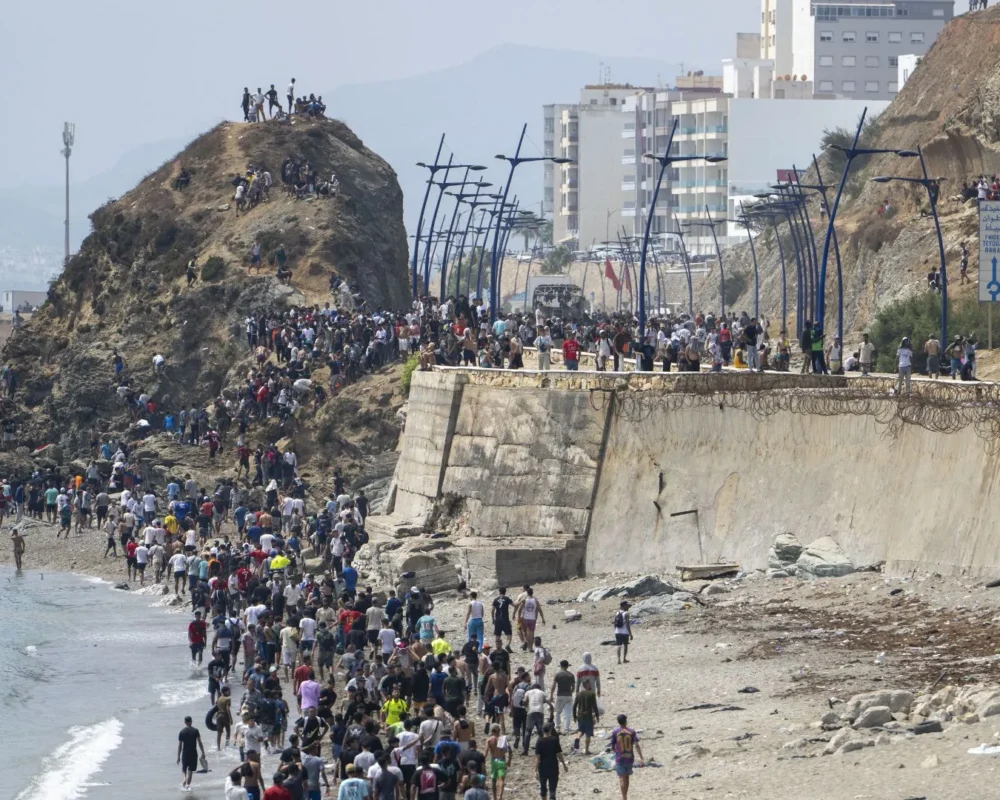
The EU was born to ‘screw’ the US. That’s what Donald Trump told reporters in 2025: ‘That’s the purpose of it, and they’ve done a good job of it. But now I’m president.’ But that wasn’t always the United States’s view of the EU. As historian Andrew Roberts wrote, the American State Department ‘enthusiastically signed […]