The Government has no business fixing prices

Photo: Kin Cheung / POOL / AFP via Getty Images
We called this column ‘The Price Mechanism’ because of my surname, but also to send a signal that with economic illiteracy on the rise in Westminster, certain economic fundamentals need to be constantly repeated for the hard of thinking. That’s exactly what prices do – they send signals about underlying market fundamentals. They contain huge amounts of information about the health of markets, predictions for the future and accumulated costs along the way.
Never have I wished more that the Labour Party were capable of understanding basic economics like this, than during the energy crisis brought about by the Iran War. The Prime Minister and Chancellor have accused fuel providers of ‘profiteering’ because they have raised prices, as if all businesses do is wait for a story that allows them to raise prices like dastardly caricatures. Never mind that the Competition and Markets Authority has shown that this just doesn’t happen. Labour’s solution is also depressingly predictable: price fixes or caps.
But prices should be able to rise – on individuals, families and businesses – for three important reasons. When energy becomes scarce (caused in this case by the supply shock of oil tankers not getting through the Strait of Hormuz), rising prices do several things simultaneously that no government intervention can replicate.
First, they force energy conservation (having just moved into a house on heating oil, I’m wearing three jumpers as I write this).
Second, in a free system, they would incentivise new supply (drilling, fracking and small modular reactors all become commercially viable at higher prices). And third, they direct willing capital towards other alternatives. A price cap, or indeed any subsidy short-circuits all three and creates an expensive, unproductive distortion.
Christopher Snowdon, often of this parish, has also pointed out the moral hazard of governments feeling either obliged (or excused) to meddle in the affairs of the private sector. We saw this during the Covid pandemic, and we saw it after the Russian invasion of Ukraine. Both interventions have left the country careering towards outright bankruptcy. And yet because of the distortion in prices, the public doesn’t realise how close we are to such catastrophe, and might not until everything collapses at once.
Messing around with prices is now everywhere. Sticking with energy, the Centre for Policy Studies has shown how £100 of annual consumer energy bills pay for various policy costs and subsidies for energy that wouldn’t be generated if left to a properly-functioning market. Not only that, but the energy price cap (yes, installed by a Tory government) causes bills to cluster around that set price, with few suppliers offering cheaper deals. This means the state is now setting prices, and will do so based on political (even electoral) calculations, not ones based on reality.
Then there is Ed Miliband’s obduracy in his failure to understand (or admit to understanding) his own portfolio. He continues to insist that energy prices are ‘set on the international market’ and that increasing supply from hydrocarbons on British territory would not lower prices. At the time of writing, UK gas is six times higher than in the US. Why? It doesn’t take an energy secretary to guess that it might have something to do with the shale gas revolution in America.
And as Kathryn Porter has shown, even if the Government’s 2030 clean power target were met, electricity would still account for only around a fifth of total UK energy consumption. The vast majority would still be met by oil and gas – and the Government has no plan to secure those supplies. No amount of price fixing can fix that.
Successive governments have meddled in the energy market (as well as plenty of others) for political purposes. They have tried to hide the damage by meddling with the price mechanism, making things worse still.
The only way to sustainably repair damaged and warped markets is for government to get out of the way, removing caps and punitive Pigouvian taxes, and let prices settle where they may. The economist Ryan Bourne has a book presciently called ‘The War On Prices’. This is exactly what successive governments have waged. We are all poorer, more indebted and less secure as a result. And the price still must be paid.

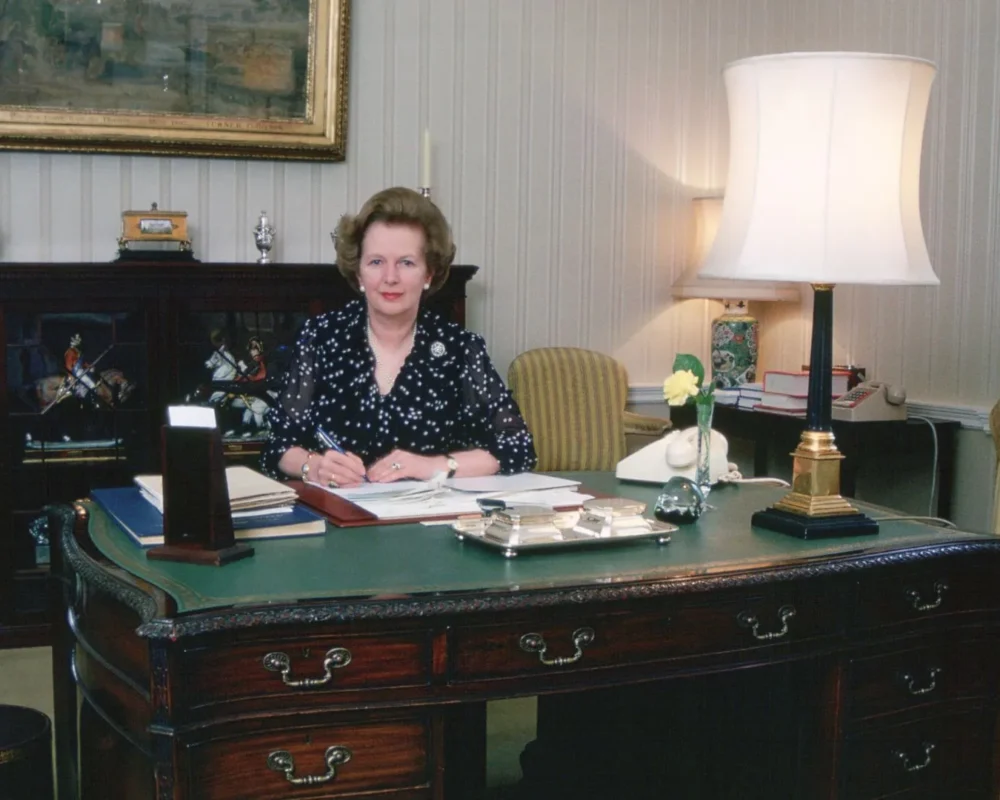
Even before he became Prime Minister in July, Andy Burnham had talked about the country in institutional, positively mechanical ways. He promised to ‘give Britain the circuit-breaker it needs’, and said that his Number 10 North, part of the Office for the Prime Minister and Cabinet based – where else? – in Manchester, would be […]
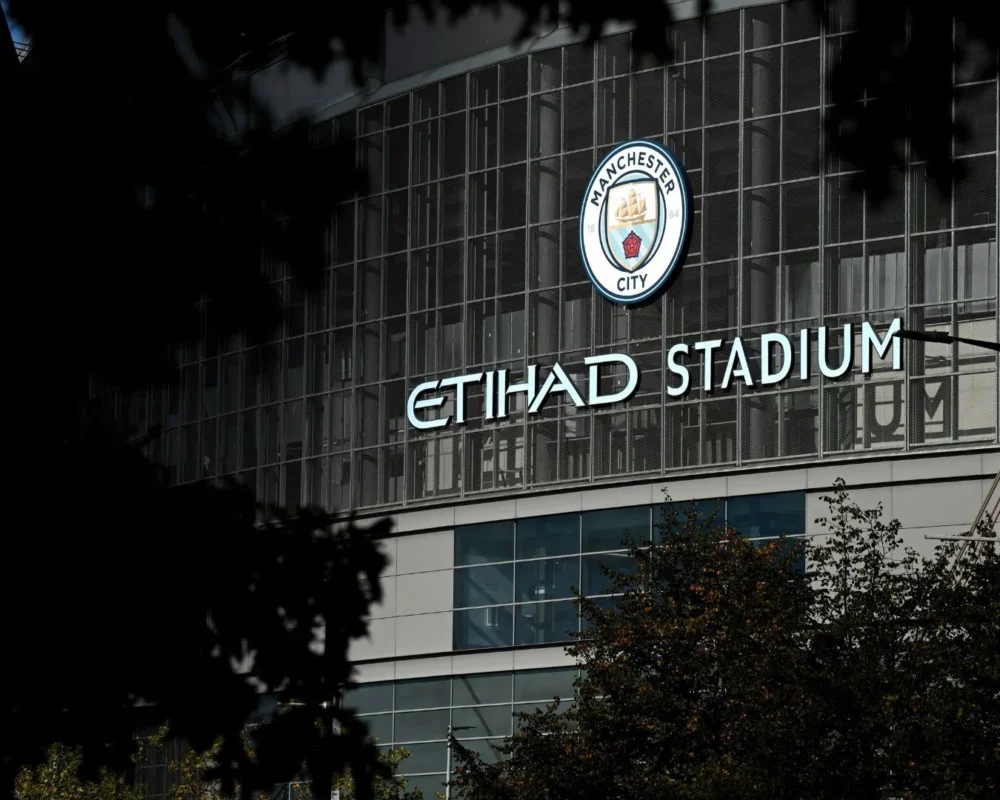
The Manchester City scandal drags on. Tax Policy Associates now argues, based on the Premier League commission’s findings and leaked documents, that the club may have failed to pay some £12 million in income tax and NICs due on the pay of Roberto Mancini, who managed the club from 2009 to 2013. City, which denies […]

Britain is looking for the effects of artificial intelligence in all the obvious places: redundancies, vacancies and unemployment numbers. So far, there is little evidence of dramatic change in overall headcount. The Office for National Statistics reports that most British businesses using AI have not changed the size of their workforce, even as AI adoption […]