The BBC must not be above the law
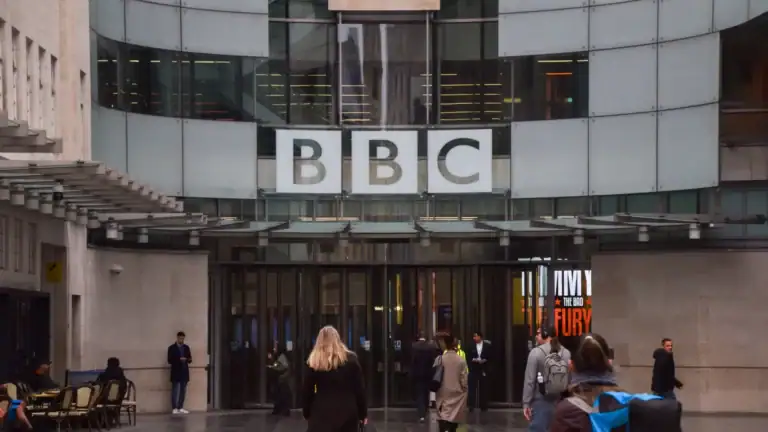
Photo: Vuk Valcic/SOPA Images/LightRocket via Getty Images
The BBC likes to present itself as a national institution that belongs to all of us. If that is true, it should be willing to live by the same rules as everyone else. Right now, it does not.
Under the current system, complaints about BBC programmes are handled first by the BBC itself. Only after the corporation has investigated and ruled on its own conduct can a complaint be escalated to Ofcom. This system, known as ‘BBC First’, gives the broadcaster a privilege that no other major broadcaster enjoys.
Commercial channels do not get to mark their own homework. When viewers complain about them, the regulator steps in. The BBC alone is allowed to sit as both judge and jury.
That arrangement might have made sense once, when the corporation commanded near-universal trust. But trust must be earned. And too often in recent years, the BBC has shown that it cannot fairly investigate its own mistakes.
The controversy surrounding the recent Bafta Awards broadcast is a good example. The BBC had made edits to the live broadcast but inexplicably allowed a racial slur from an audience member to be broadcast around the world.
When viewers raise legitimate concerns – as seen following the Baftas – about editorial standards or balance, they should not have to navigate a drawn-out internal process run by the very organisation they are complaining about. It is hardly surprising that many people feel the system is stacked against them.
Another recent example is the controversy surrounding the BBC documentary on Gaza, fronted by the son of a senior Hamas official. When serious concerns were raised about the programme’s balance and sourcing, the public once again found themselves forced into the same flawed complaints system. It was only after Ofcom got involved that a full and frank apology was offered and the record corrected.
Despite the farcical behaviour in W1A, all this matters because the BBC is not just another broadcaster. It is funded by the public and protected by its Royal Charter. That Charter sets out the standards the corporation must meet, including impartiality, accountability and transparency.
Now we hear that BBC figures are floating possible changes they would like to see in the next Charter. The corporation wants greater flexibility and new powers as the media landscape changes.
If that is the case, then it must also be prepared to give something back. You cannot ask for more freedom while clinging to special privileges.
The simplest and most obvious reform would be to scrap the ‘BBC First’ complaints system altogether. Complaints about BBC content should go directly to Ofcom, just as they do for every other broadcaster in the country. That would create a single, clear and independent process that applies equally to all.
This is not about weakening the BBC. It is about strengthening public confidence in it. The corporation often says it welcomes scrutiny and accountability. If that is true, then it should have no objection to independent oversight. Indeed, it should be welcomed.
For too long, the BBC has been allowed to operate under a system where it investigates itself and then declares the matter settled. That might be convenient, but it is not good enough for a broadcaster that receives billions from licence fee payers who expect better.
The coming debate over the BBC’s Charter is the right moment to address this imbalance. If the corporation wants the advantages that come with its unique status, it must also accept the responsibilities.

Young Britons have stopped having sex. This is news to me, obviously, but according to a recent study in The Lancet, British people, particularly teens and young adults, are having less or no sex compared with past generations. Adults under 45 have sex an average of only twice a month, compared with once a week […]
When the Labour government took power in 2024 few might have imagined that two years later it would be able to boast about reducing net migration to 77,000, the lowest level in 29 years. On the face of it, Labour has not merely flattened the Boriswave (when net migration peaked at 944,000), it has reduced […]
It will surprise the majority of people that the most important port in the UK for the export and import of goods is Heathrow Airport. By trade value, Heathrow is gateway for a quarter of the nation’s goods trade, worth nearly £300 billion per annum. You would expect as a consequence, how an expanded airport might […]


