Quangos are out of control – and ministers like it that way

Photo by Leon Neal/Getty Images
Calls for a ‘bonfire of the quangos’ have been made since David Cameron’s time as Leader of the Opposition all the way through to Keir Starmer’s premiership. Yet for all the rhetoric, the quangocracy has grown bigger, better staffed and more powerful, as is detailed in the TaxPayers’ Alliance’s new quango database.
With over 500,000 staff and a total expenditure greater than the GDP of Norway, the reliance on these ‘arm’s-length bodies’ by ministers, and therefore the impact on our lives, has never been greater. Since Anthony Eden took office 70 years ago, every Prime Minister who has stayed in office for a full year has created a quango. Tony Blair created 92, the most of any Prime Minister. Even David Cameron, the man who first promised the great bonfire, created 54.
Keir Starmer has continued on this train. From promising reform in opposition, the first eight months of Labour saw the creation of 27 new quangos. These range from Great British Energy, which – rather than tapping into the vast resource wealth of the North Sea, will ensure Britain continues to spend heavily on wind farms – to the Industrial Strategy Advisory Council, which will take advice from trade unions on how best to unleash growth in the economy.
Admittedly, some of these newly created bodies, such as the Border Security Command, are more a merger of existing quangos than genuinely new institutions. The Government has also had some success in cutting back existing quangos. Labour is, in fact, abolishing the most costly quango of 2023–24: NHS England.
While the decision is bolder than many anticipated, Britain must look beyond a mere reduction in the number of these organisations. We need a reduction in their total spending and, most crucially, a reduction in their functions. Tinkering with mergers and rebrandings is not enough. All too often, abolishing a quango simply means it is folded into a larger body, which carries on spending and regulating as before. This must change.
Take the last government’s abolition of Public Health England. Rather than a step back in the size and role of the state, a more powerful body was created in the UK Health and Security Agency. The current Government is following a similar approach by having an existing quango, HMRC, subsume the Valuation Office Agency without any loss of functions. In both cases, the overall number of quangos has been reduced, but without any of their functions being abolished.
Even worse is the Government’s desire to create quangos in previously quango-free industries. One of Britain’s most commercially successful and globally revered industries, football, will soon have the Independent Football Regulator intervening in the running of clubs and leagues. Football is already successful, already largely sustainable and already sees clubs protected by the Football Association – what is the need for the regulator?
Every department embraces ‘arm’s-length’ governance, with Culture, Media and Sport leading the way with 41 quangos. Yet these bodies are not really accountable to departments. They take the money and spend it as they wish – usually by inventing fresh regulations to police. With so many quangos performing so many functions, no minister can possibly keep control. And when things go wrong, ministers simply deflect responsibility. A convenient arrangement.
The direct consequence for voters is that quangos provide a shield behind which ministers can hide. Ministers have blamed these bodies for everything from failures during Covid to the decline in school performance. Rarely do they accept a problem as their own fault. Perhaps they were unaware of what an arm’s-length body was doing on a daily basis; perhaps it was operating beyond its scope; perhaps it was even acting in ways contrary to the governing party’s manifesto pledges. Whatever the excuse, the conclusion should be the same: the quango state must be reduced by stripping these bodies of their functions and restoring control and accountability to ministers – and, through them, to voters.
Starmer has said he wants to abolish the ‘cottage industry of checkers and blockers slowing down delivery for working people’. Restoring NHS England to the control of the Health Secretary is a good start. But unweaving the network of quangos that govern Britain will be a long process — and we are not moving nearly quickly enough.
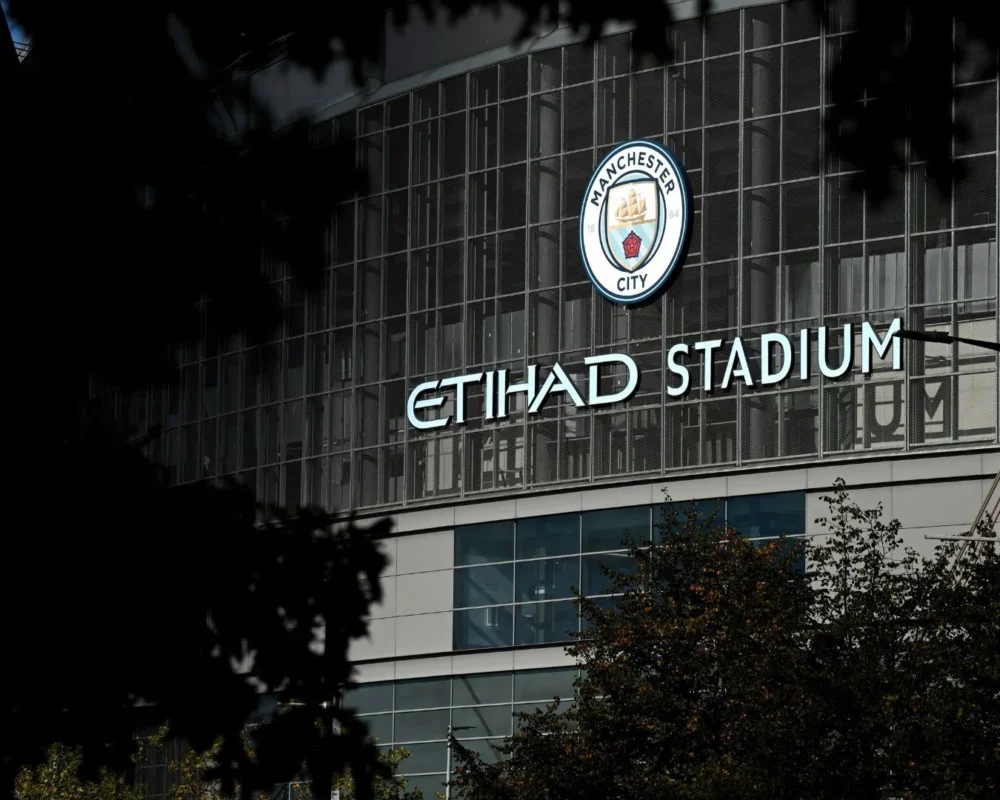
The Manchester City scandal drags on. Tax Policy Associates now argues, based on the Premier League commission’s findings and leaked documents, that the club may have failed to pay some £12 million in income tax and NICs due on the pay of Roberto Mancini, who managed the club from 2009 to 2013. City, which denies […]

Britain is looking for the effects of artificial intelligence in all the obvious places: redundancies, vacancies and unemployment numbers. So far, there is little evidence of dramatic change in overall headcount. The Office for National Statistics reports that most British businesses using AI have not changed the size of their workforce, even as AI adoption […]
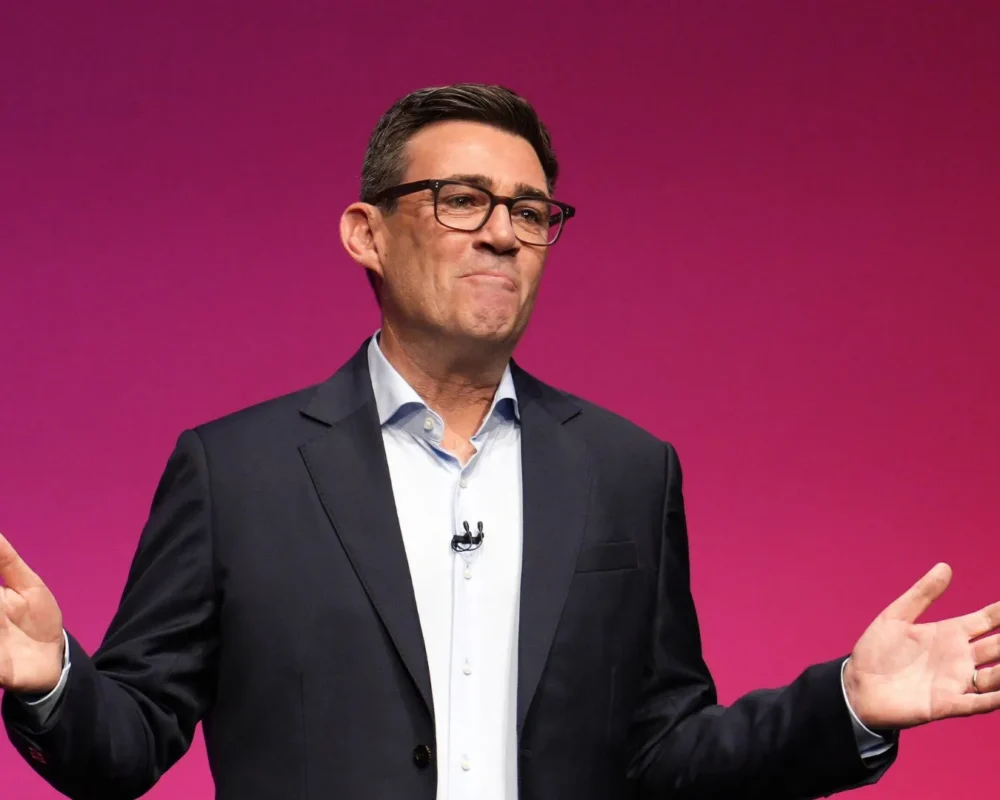
Andy Burnham used the Labour Party conference in Liverpool this week to commit the Government to a National Care Service, universal and free at the point of use, while promising to ‘stick to our fiscal rules to get borrowing and debt down’. The service is due in the next Parliament and is supposed to be […]