Labour’s EU sycophancy is a gift for Nigel Farage
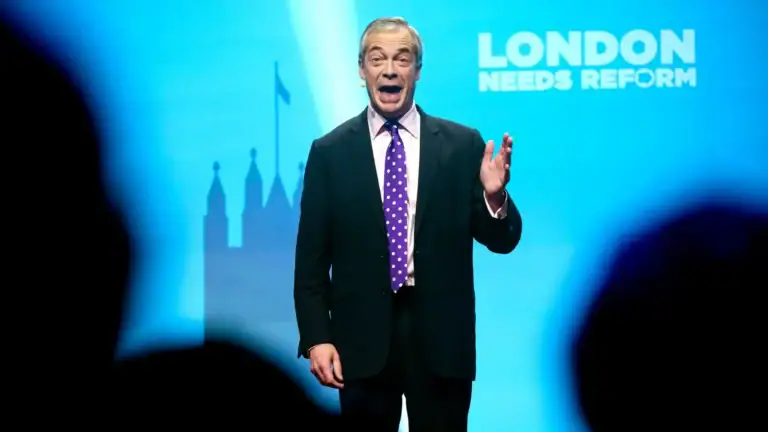
Photo: Leon Neal/Getty Images
In his own undemonstrative and soporific way, Keir Starmer is just as obsessive about Europe as the most zealous Leave voter. So much of his conception of good governance has been shaped by the idea of being the opposite of the previous Conservative administration; accordingly, he regards a close and cordial relationship with EU member states and with the European Union collectively as a badge of success in foreign policy.
Our European neighbours, on the other hand, recognise a mark when they see one.
Labour’s 2024 election manifesto promised to ‘reset the relationship and seek to deepen ties with our European friends, neighbours and allies’ and ‘improve the UK’s trade and investment relationship with the EU’. Last May, the Prime Minister agreed a ‘Common Understanding’ with the European Commission, which set out a framework for further negotiations, and the Government intends to introduce a bill to Parliament in the next few months which will underpin closer alignment between the UK and the EU.
A discussion of European Union relations without Nigel Farage is, however, like ‘Hamlet’ without the First Gravedigger. It is reported that the EU is demanding a termination clause in any final agreement, under which the UK would be liable to pay significant financial compensation if a future government were subsequently to reject whatever settlement is reached.
This has inevitably been dubbed the ‘Farage clause’, because the Reform UK leader has made it clear that he would overturn any agreement with the EU if he became Prime Minister after the next general election. Since the party has led the opinion polls consistently for almost a year, Brussels would be irresponsible not to consider the possibility of a Farage premiership and make appropriate contingency plans. But this framing of the issue is a gift for Nigel Farage.
The position of the European Commission is that it wants a long-term agreement with the UK which extends beyond the next general election, and that the Farage clause is ‘a safety provision to provide stability’. It should also be noted that the Conservatives have also committed to revoking any deal of greater regulatory alignment with the EU.
What this does in effect, however, is allow Nigel Farage to claim that the Government is attempting, in cahoots with the Commission, to entrench a deal in defiance of the potential will of the British people. Farage thrives on his image as an outsider battling the Establishment, a champion of the ordinary man and woman, and when Brussels calls the measure a ‘deterrent for Farage and Co’, it is manna from heaven for him. An image is painted of Starmer and the Labour Government, which are both plumbing record depths of unpopularity, and the faceless bureaucrats of the EU negotiating behind closed doors, while outside, Reform rallies around its great general. It could hardly be designed better to invoke a sense of popular exclusion by an elite.
A second benefit for Farage is the obvious implication that the proposed deal must be a bad one for Britain. If Starmer were on the way to a diplomatic triumph, the EU would hardly be seeking to lock both parties into its terms. That it wants to do so must, Reform UK will plausibly argue, mean that the UK is losing out.
Both Reform and the Conservatives have portrayed the Prime Minister as a man whose only negotiating tactic with the EU is to ask how high he should jump. They have been supplied with plenty of ammunition: the alignment Starmer and his ministers are pursuing is said to entail effectively the automatic transfer of EU laws and regulations to the UK statute book in the areas concerned, in what is known as ‘dynamic alignment’. These are likely to include food standards, animal welfare, the use of pesticides, the EU electricity market and carbon emissions trading.
The Government will argue that various mechanisms will be negotiated under which the UK can either influence the final version of EU regulations or seek some form of exemption or ‘carve-out’ where necessary. Leaving aside Labour’s poor record of playing hardball when negotiating with Brussels, this misses the point. Farage has made a career of presenting the complex and multi-faceted as simple and dramatic, and it is likely to be his message of submission, surrender and betrayal that wins the propaganda war.
First and foremost, the EU wants to maximise its benefits from any agreement on dynamic alignment. Starmer seems to think that our European neighbours are clamouring for a deal with the UK, but it is his Government which by some margin needs this more urgently. The Commission may, therefore, be indifferent to the weapon it proposed to hand to Reform UK.
Farage must regard the coming months with relish. The Government and the European Union will be locked in complex negotiations over trade, regulation and market access – and already they have ensured that the narrative will all be about him.

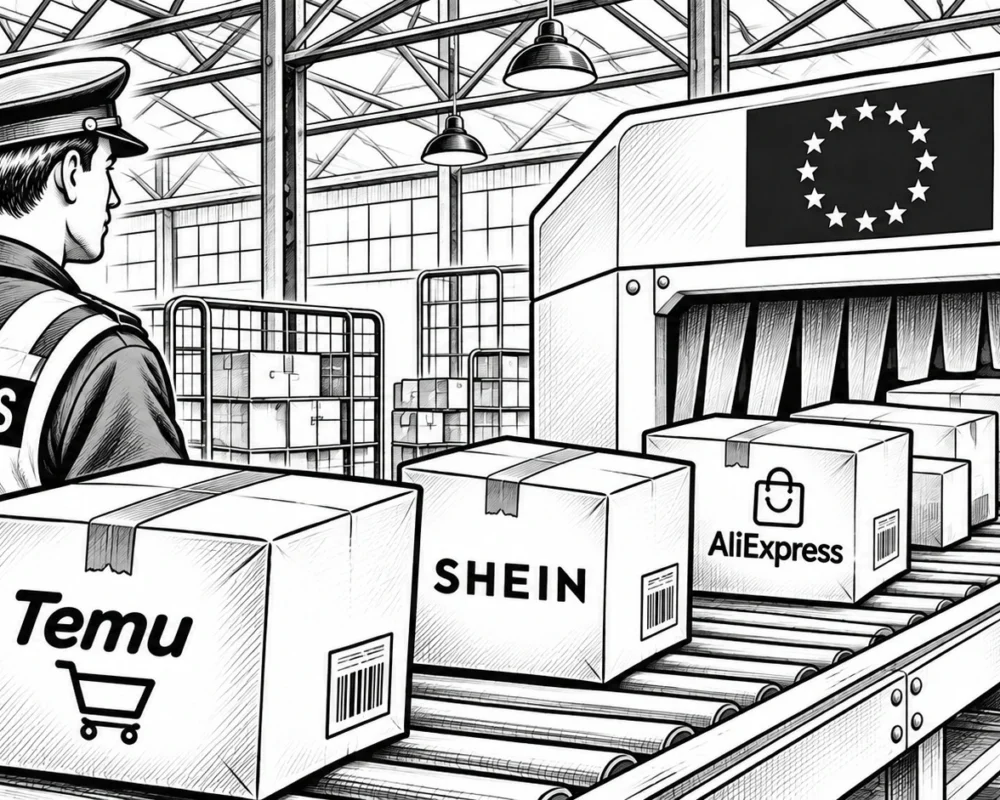
Trade moves faster than regulation, and nowhere more so than in e-commerce, whose marketplaces and traders are by their very nature responsive, innovative and dynamic. For governments and regulators, that is a special challenge. The big platforms are ruthlessly focused on ways to build margin, increase customers and simplify systems. Over the past five years, […]
Andy Burnham is set to make the same mistake that led to the ruin of Keir Starmer: lack of a domestic agenda, other than pushing the proverbial peas around the plate on energy bills, bus fares and the like, paired – like a bottle of plonk – with ambiguous statements on the big public issues. […]
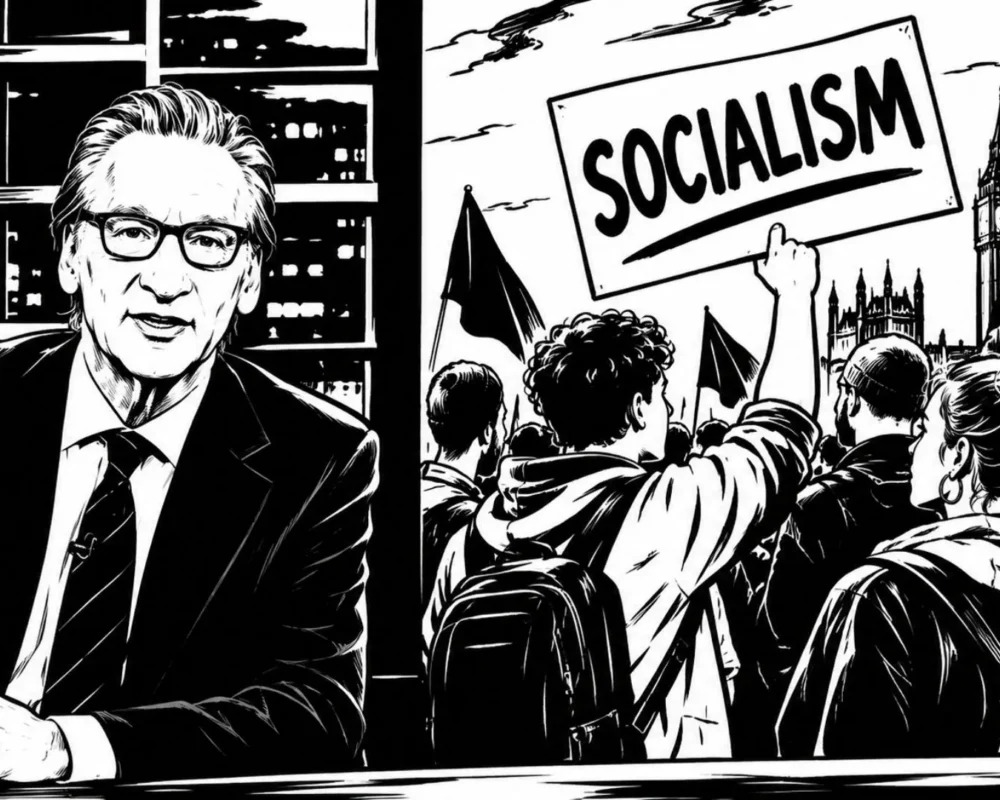
In 2010, Paul Krugman wrote a New York Times column titled ‘Learning From Europe’. For decades, Europe was the model that American left-leaning economists wanted America to follow: a big welfare state, generous welfare programmes and large-scale redistribution. But it seems something has changed. Krugman has now written about France being on a ‘fiscally unsustainable […]