Getting kids off social media isn’t common sense
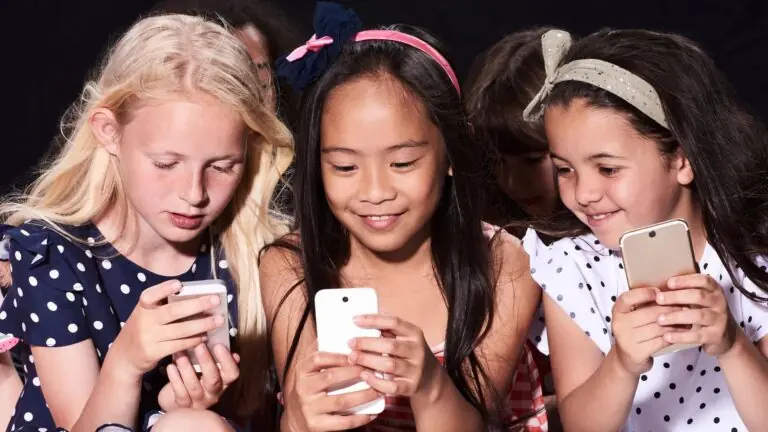
Photo: Getty Images
In 2018, with ‘The Coddling of the American Mind’, Greg Lukianoff and Jonathan Haidt launched a sustained attack on what they called the culture of ‘safetyism’ in American parenting and on university campuses. Their target was the belief that children and young adults are fragile beings who must be protected from uncomfortable ideas and the emotional distress that may accompany them.
Their core argument was simple and compelling: competent adults are made, not born. Intellectual resilience – or even ‘anti-fragility’ – is developed through exposure to challenge, disagreement and risk at a young age. Training children instead to privilege emotional reactions, absorb simplistic moral narratives and expect the world to be made safe for them was, they argued, a recipe for rising anxiety, depression and even suicide.
This culture of protectionism, they warned, also corrodes civic life. It encourages young people to conflate disagreement with violence, undermines their ability to argue in good faith and ultimately weakens the free speech norms on which liberal democracy depends.
Others – Jordan Peterson among them – have pointed to an under-discussed corollary to ‘toxic masculinity’: toxic femininity. The archetype of the smothering mother, endlessly protective and emotionally indulgent, looms large in contemporary ‘be kind’ policies that risk exposing children to greater long-term harm in the name of respecting their feelings in the short term.
From this diagnosis flows an alternative approach: so-called ‘free-range parenting’ (a term popularised by the Let Grow organisation). The idea is not neglect, but proportion. Set clear, age-appropriate boundaries – and then let children test them. Allow independence, let them experience consequences and help them grow into adults capable of taking sensible risks.
Oddly, Lukianoff and Haidt carve out social media as an exception to this general rule – a position Haidt expanded in his 2024 follow-up, ‘The Anxious Generation’. They see social media as encouraging the bad ideas behind ‘safetyism’, and point to the sharp rise in reported mental-health problems during the 2010s, particularly among teenage girls, coinciding with the spread of smartphones and social platforms. Cyber-bullying, deepfakes, revenge porn, pile-ons and group shaming may not be new phenomena, they argue, but social media acts as an accelerant.
Critics counter that correlation is not causation. They note that rising mental-health reporting, over-diagnosis, economic stagnation, academic pressure and family breakdown are likely more significant drivers than doom-scrolling cat videos. Social media, they argue, also brings real benefits: connection, community, learning, creativity and technical skills. Here too, it accelerates what already exists – but positively.
Into this complex and contested debate both Labour backbenchers and the official Opposition have waded with all the subtlety and sophistication of MAGA foreign policy.
Labour MPs recently wrote to the Prime Minister urging the UK to copy an Australian ban introduced last year amid a national moral panic about unhappy children harming themselves. The Australian law is incoherent. It bans under-16s from 10 platforms, including YouTube and X, but not others such as WhatsApp or Pinterest. It implies watching Minecraft videos is dangerous but creating a mood board of your favourite medieval torture implements is not. It’s unlikely the Labour MPs have actually studied the law, reacting instead with their fragile emotions to a minority of vocal parents, as Haidt warned.
The Conservatives have gone further, launching a ‘common sense’ campaign to ‘Get Children Off Social Media’, whatever that is supposed to mean. It is framed as a response to parents who are apparently crying out for support.
These parents, we are asked to believe, cannot be expected to learn how to configure a phone, set parental controls, or consult one of the thousands of online guides available – despite having grown up with largely unregulated access to the internet themselves. No: Parliament must step in in loco parentis, so they can return to streaming Netflix dramas about how teenage boys are being secretly radicalised into murder by the manosphere.
Meanwhile, some actual parents – and more than 40 children’s organisations, including leading child-protection charities – disagree. They urge caution and highlight the positive case. As the NSPCC’s CEO has noted, ‘for countless children, especially those who feel shut out or unheard offline, social media isn’t a luxury. It’s a lifeline – a source of community, identity, and vital support.’
Anticipating scepticism, the Opposition campaign gestures toward other age-based restrictions: drinking, smoking, driving. The ban, we are told, is merely a logical extension of an existing consensus – allowing children to encounter the world at the ‘right’ time, rather than too early.
But those regimes are more nuanced than advertised. Children can learn to drive on private land. They can drink alcohol in moderation under supervision. Smoking is prohibited – but no one seriously claims that liking a dance video causes lung cancer or shrivels your testicles. Meanwhile, the tools for parental regulation of social media are already extensive and far more sophisticated than hiding the key to the drinks cabinet.
The instinctive libertarian response to this campaign will mirror that of most teenagers, and can be expressed in two Anglo-Saxon words. The more thoughtful response is to note that, if implemented – as in Australia, where the policy originated – it will be circumvented easily. VPNs, AI-generated deepfakes, burner accounts and workarounds will be mastered far faster by children than by legislators. The kids who once smoked behind the bike sheds will now be transgressively posting memes on Snapchat – possibly of MPs engaging in unsafe behaviours unlikely to enhance their wellbeing.
The idea that young people will welcome being told how to communicate by MPs who spent their own youths sexting, downloading ‘nature documentaries involving people’, and carrying fake IDs into pubs is for the birds.
It’s unsurprising then that the Prime Minister Keir Starmer is currently being more cautious than his sensitive backbenchers. It will be equally unsurprising however if Sir U-Turn-a-lot changes his mind after a few hostile newspaper headlines, focus groups and push polls.
More surprising is that a Conservative Party facing allegations of being an insubstantial ‘uniparty’ echo of a ‘managerial blob’ running down Britain, is handing its critics a case study. If your opening offer to future voters is indentured tax servitude to pensioners, compulsory national service or the promise of home ownership at 50, then banning them from chatting to their mates outside a regulated ‘safe space’ is unlikely to help.

Artificial intelligence is already reshaping policing, and the recent row over the Metropolitan Police’s blocked deal with Palantir shows how far politics is lagging behind operational reality. If we are serious about protecting frontline officers and visible neighbourhood policing, we should embrace carefully regulated AI as a force multiplier that releases cops from analogue bureaucracy […]

Can you imagine anything worse than a foreign company whose software saved lives, cut NHS waiting lists, put more police on the beat and reduced crime? It’s appalling, isn’t it? No British government or public sector body should have any dealings with such a company. Obviously. Much better to let patients die, cut police jobs […]

Elon Musk’s SpaceX has launched the largest ever public offering of stock today, selling $75 billion worth of shares. SpaceX emphasised its remarkable achievements in its IPO filing: ‘We are the primary launch provider for the US government. In 2025, we launched 11 of 12 National Security Space Launch (‘NSSL’) medium and heavy lift missions […]