Does Britain really need another Winston Churchill?
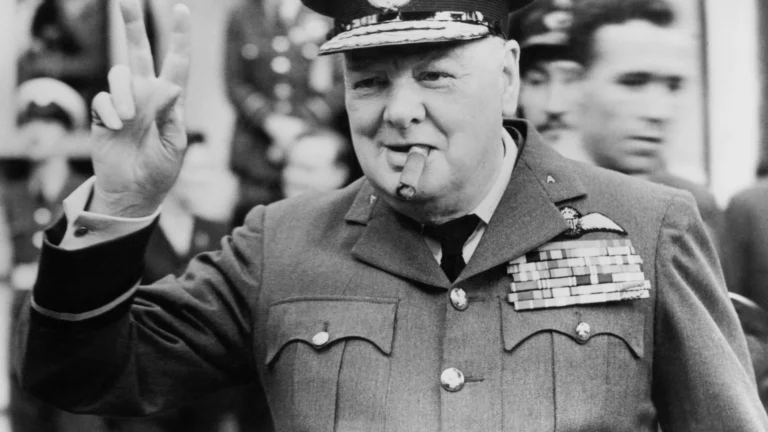
Photo: Getty Images
Last Friday morning, there was a palpable sense that Britain was having a nervous breakdown. The abominable Greens had stormed to victory in the Gorton and Denton by-election; in Parliament Square, the statue of Winston Churchill had been defaced with graffiti branding the Greatest Briton a ‘Zionist war criminal’ and calling for the globalisation of the intifada. A day or so later, and Tehran was in flames as Keir Starmer stood limply by.
When Donald Trump suggested that our Prime Minister was ‘no Winston Churchill’ over the Iran strikes, plenty this side of the Atlantic agreed. Rather than provide all the cliched encumbrances of Churchillian leadership – bulldog resolution, soaring eloquence and a clear-sighted commitment to standing against evil – Starmer seemed impotent and irrelevant. Unable to support the toppling of the Ayatollah because of his vexatious backbenchers, hamstrung in helping the Americans due to the all-mighty Lord Hermer and bewildered by a new world beyond his control, Starmer was as far from the heroics of 1940 as could be imagined. But perhaps that is no bad thing, and a Churchill isn’t what the moment demands.
Let me be clear. I cavil to few in my admiration for WSC. Seeing his statue graffiti-ed horrified me and reminded me of a school project I did in Year 6. Each member of the class had to present on who we believed was the most important person who had ever lived. Naturally, my 10-year-old-self opted for Churchill, and he ran away with the prize. It seemed obvious: he was the man who had stood alone against Adolf Hitler, lead Britain through its darkest and finest hours and created a world safe for peace and democracy. As I grew older, my respect only increased from reading the biographies of Andrew Roberts and Boris Johnson.
Yet one can still believe that Churchill was a good thing and lament the ongoing impact of the his cult on our politics. Like Margaret Thatcher, Churchill has become an icon, removed from his historical circumstance to be wielded as a club by which to silence criticism, stifle debate and keep political consensus within acceptable parameters. Every foreign policy crisis is the summer of 1940; the ‘Special Relationship’ must go unquestioned.
As with Thatcher, this not only obscures the nuances and pragmatism of Churchill’s own thoughts and actions – his willingness to work with Mussolini and Stalin, for instance, or his consideration of his career a failure because it entailed the dissolution of the British Empire – but prevents politicians from adapting to reality. Partially because we exhausted ourselves in beating the Nazis, because we have been enervated by the welfare state that Churchill helped establish, and because our national cohesion has been undermined by the post-colonial immigration that his government failed to halt, Britain is very far from country of 1940. We are fatter, lazier, more indebted, more neurotic. Our finest hour has been and gone.
Yet politicians – and Prime Ministers in particular – feel a great urge to play the Churchill. Being the WSC to George W Bush’s FDR is what spurred Tony Blair to drag us into the mess of Iraq; to cosplay as his boyhood hero is what led Boris Johnson to put Britain foursquare behind Ukraine, pouring our already-denuded military might into a dark and bloody war that seems no closer to its conclusion. We have become so integrated with the US that any attempt to pursue a separate policy swiftly results in a sharp talking to from the White House. Independent action is almost impossible. We are not only Scrappy Doo to America’s Scooby, but lame, unable to afford the world role that our leaders feel compelled to pursue.
There is little to admire in Starmer. He is a sphinx without a riddle – a human rights fetishist of conventional soft-left opinions who fancied a late-stage career change and would up as Prime Minister. The country would have been far better served if he had ploughed his inadequacies into buying a flash car, having an affair with an au pair or other traditional outlets for middle-aged angst. But even as his leaden, adenoidal tone fails to conjure up rhetoric fit for the occasion, there is something admirable in Starmer’s faltering attempts to plot a course different to the White House. Churchill – or Hugh Grant – he is not. But he is trying to rail against decades of unthinking Atlanticism. Harold Wilson looks down, and smiles.
Could Britain do with a Churchill? Most certainly. But only if you mean someone who has the qualities of leadership – his foresight, his eloquence, his courage and his adaptability – rather than another Prime Minister who wants to channel his ghost. If Starmer can minimise the blowback to Britain from another American Middle East misadventure, he will have had his own finest hour. But I suspect few schoolchildren will laud him in decades to come.
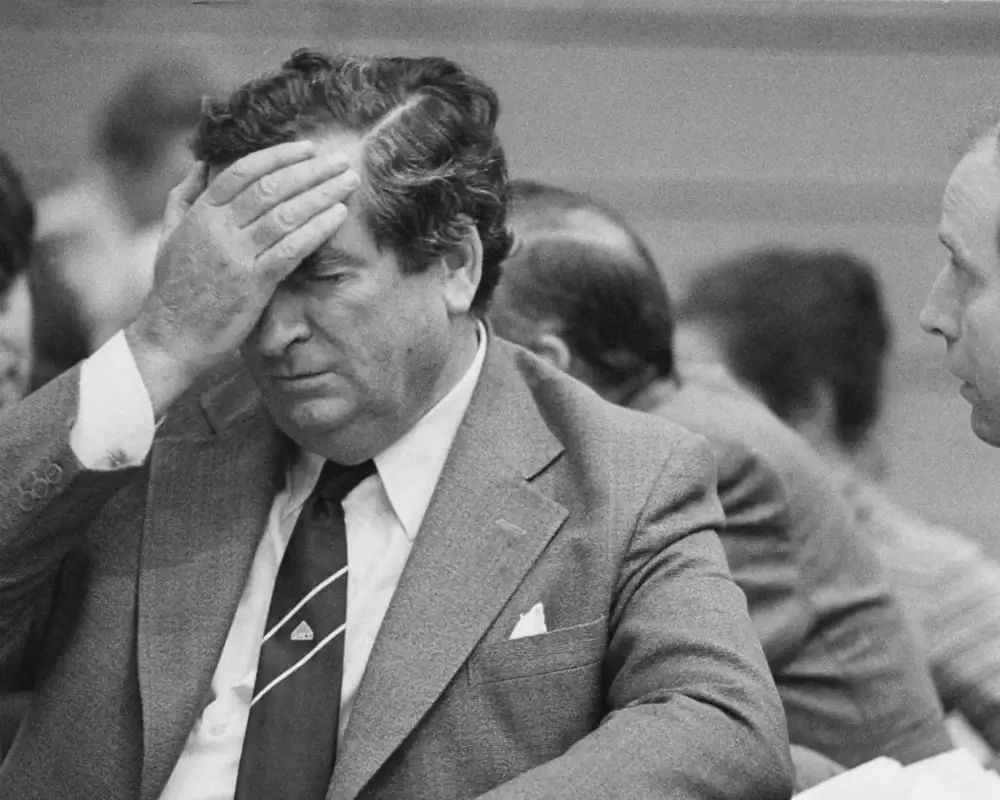
On September 29, 1976, Britain’s Chancellor of the Exchequer, Denis Healey, announced his intention to apply to the International Monetary Fund (IMF) for a $3.9 billion loan, the largest ever requested. Britain, The Economist announced, was ‘bust’. This was a national humiliation, the crux of a decade of economic turmoil. Britain before 1979 was not […]
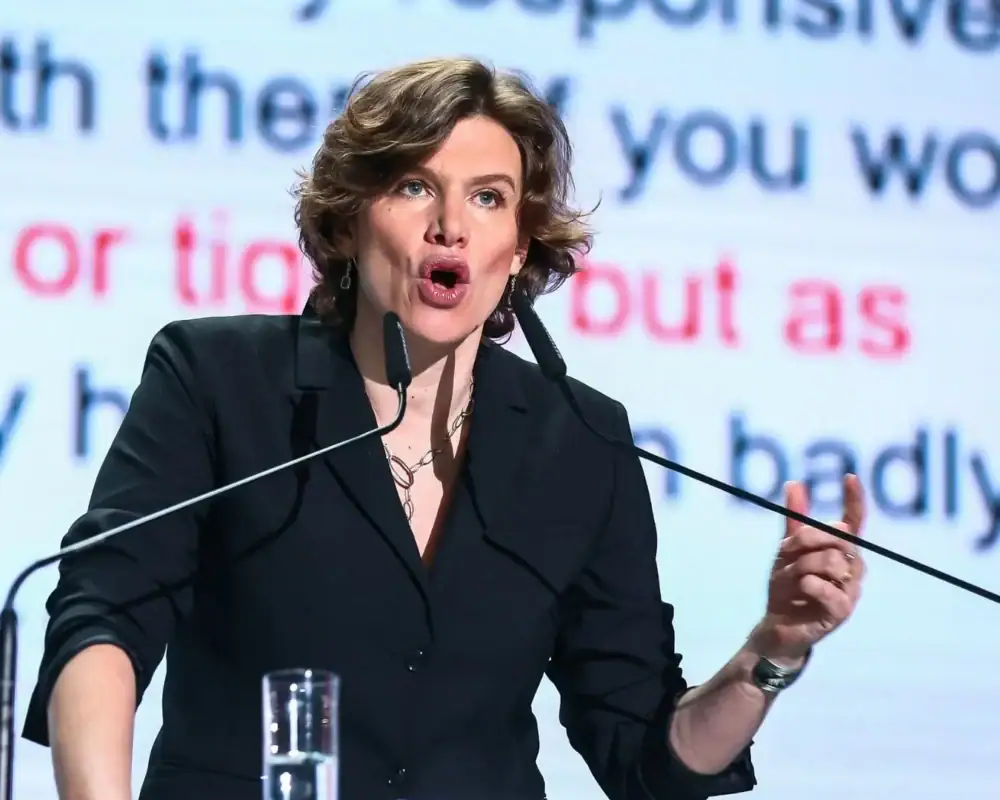
Why haven’t we grown in the last decade? We are experiencing the longest spell of workers experiencing no average wage growth in real terms for well over a century – ‘the longest in history since consistent wage records exist, dating back to Victorian times,’ as a paper in the Oxford Review of Economic Policy shows. […]
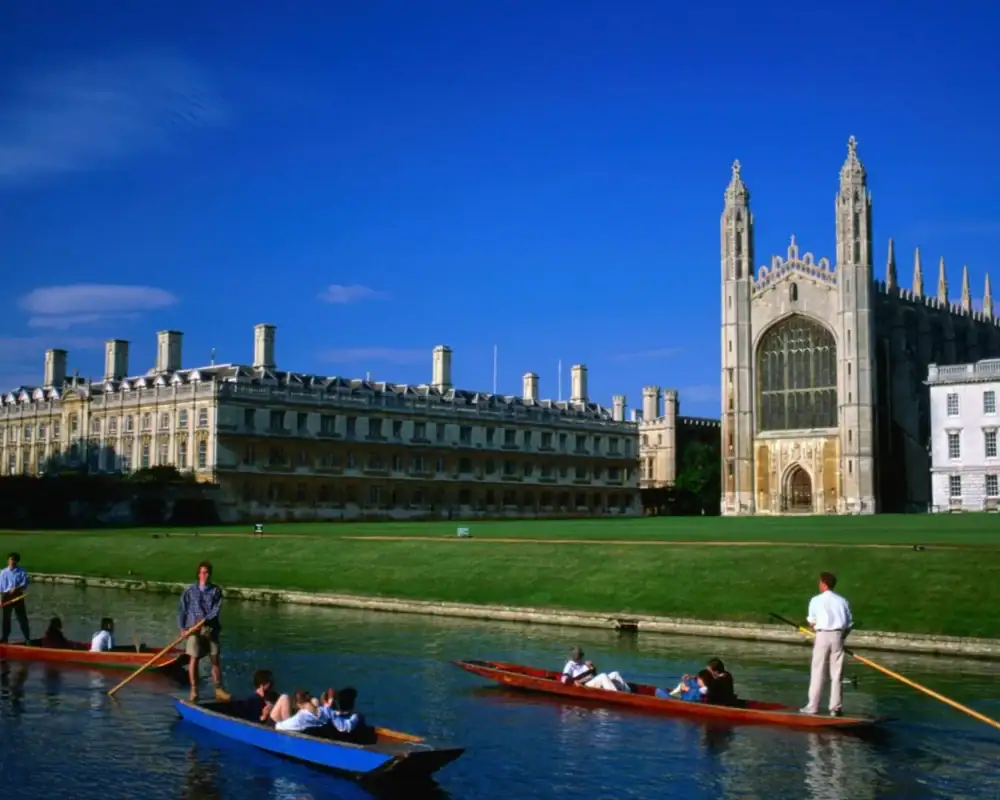
With the introduction of student fees in 1998, one might have expected that universities would gain independence from the state and its agencies. They would live off the fees paid by those who wanted them, free to act in accordance with whatever academic values they chose to embody. But the opposite happened: all the movement […]