Can the Government win its race to build 1.5m homes?

Photo by Ian Forsyth/Getty Images
There is nothing wrong with the zeal of a convert – if you happen to be an adherent to the cause that has been embraced. St Paul’s decision on the road to Damascus to stop persecuting Christians and become an apostle was thoroughly welcome. So I am keen to take the Housing Secretary Steve Reed’s decisive switch from Nimby to Yimby in good faith. I have already chronicled his past hostility to developers. He now promises to be their staunchest ally.
Reed has inherited the Government’s pledge to deliver 1.5 million new homes by 2029 – which has got off to a slow start under his predecessor Angela Rayner. On ‘Panorama’ last night, he was bullish, telling the viewer: ‘My job should be on the line if I fail to meet my target. I expect to be held to account.’ Some of us recall it being a promise rather than a mere ‘target’ – but still a bold declaration.
As someone who has complained abut BBC bias in the past, on this occasion it was thoroughly refreshing. The ‘Panorama’ programme was buzzy and upbeat about the challenge of getting more housing built. Part political documentary, part reality TV. The Nimbys got a couple of slots – there were soft interviews with a woman feeding ducks and another woman going on a boat along the Solent. We had a few muddled complaints about developers not wanting to build if they wouldn’t make a profit. But the general vibe was all about making property construction sexy and exciting.
‘The race to build 1.5 million homes!’ ‘We are going to need a Hell of a lot of these. Bricks!’ We make a billion bricks a year and a manufacturer said they would be capable of ‘ramping up to produce more.’ So far, so good. But higher energy bills have pushed up the cost of making bricks. With Net Zero fanatic Ed Miliband and construction zealot Steve Reed both sitting around the Cabinet table, we have a strain on ‘joined-up Government’.
The next problem is that once you have the materials you need the people to put them together: ‘It is estimated that the industry will need a quarter of a million more workers to meet the target… We will need 3,000 new plasterers for a start!’ Instead, they are off at university studying sociology courses of dubious value, and building up debt.
Then we went to South Tyneside, where a housing manager admitted the Council was missing its housing target. A table is shown at the town hall, groaning under the weight of consultation documents. The councillors voted against the proposed local plan from their own planning officers. That means it hasn’t had an up-to-date local plan for 17 years. So now the Government is due to impose one courtesy of the planning inspectorate. And the housing target for South Tyneside is being doubled, despite the Council floundering to meet the existing one.
Delays in the planning system mean getting homes built is a struggle, even if there is a local plan in place. ‘It now takes an average of two years to get a decision on an outline planning application for ten or more homes,’ the programme reported. ‘That’s more than doubled since 2014.’ It suggests a shortage of planning officers as the difficulty. Another way of looking at it is that the regulatory burden has increased. After all, technological advances, with more applications being provided online, should be making the system smoother.
The greatest service of the new ‘Panorama’ was giving some scrutiny to the misnomer of the ‘Green Belt’ – the land covering 13% of England where it is very hard to get permission to build anything.
‘It turns out the Green Belt isn’t always very green,’ runs the commentary. The Government has spotted this and coined the phrase ‘Grey Belt’ – for the scuzzier parts where the prohibition on development did not make any sense.
Yet Professor Paul Cheshire, a former economist at the London School of Economics, told Panorama the rhetoric would not be matched by a change in reality. He said: ‘If the grey belt had been defined in a legally watertight way, then it would have been cut and dried and you could have built a lot of houses, but they didn’t do that.’
Cheshire has studied those ‘small bits of Green Belt which have really very little value in terms of amenity or environment’, with good transport links, where there should be a presumption to allow building. He has identified enough such sites for at least two million homes.
That’s what could happen. But it won’t. ‘They left it to the fuzziness of the planning system and therefore to local lobbying and it won’t happen,’ adds the exasperated prof. Cheshire concludes that the Government’s reforms are ‘not going to make much difference’. He added that ‘there’s absolutely no way that we will build 1.5 million houses’.
We hear from a developer trying to build 800 homes on a redundant golf course in Sevenoaks which closed in 2017. There are a dozen other golf courses within a six-mile radius. It’s just over the road from a railway station. He would have included affordable housing, a new park, a retirement village and a new school. I have nothing against golf but is not housing the greater priority?
The issue of ‘nutrient neutrality’ was covered. These rules (a legacy from the EU that in some way managed to persist despite Brexit) have cut the supply of new homes – even though the pollution they cause to waterways through increased sewage is negligible compared to intensive farming.
Social housing was considered, with the ritual denunciation of housing ‘lost’ to the right to buy. Yet few viewers will have considered the notion of billions, indeed tens of billions, in taxpayers’ money funding new social housing as being a realistic proposition.
Once Reed was interviewed, he was asked if he wanted to see house prices fall. That was too much for him. Even if we were to see the 1.5 million new homes built, I doubt prices would fall. Supply would need to increase by rather more for that to be achieved.
When challenged over the prospects of hitting the target, he said: ‘Of course, we can do it. We can do anything in this country that we want to do.’ Nothing much of substance to counter the scepticism expressed by other interviewees on the programme.
A depressing programme in some ways – since it shows the Government will surely fail to deliver. Yet inspiring in another respect, as it also portrayed the case for far more new housing and that a bolder approach could bring that about.

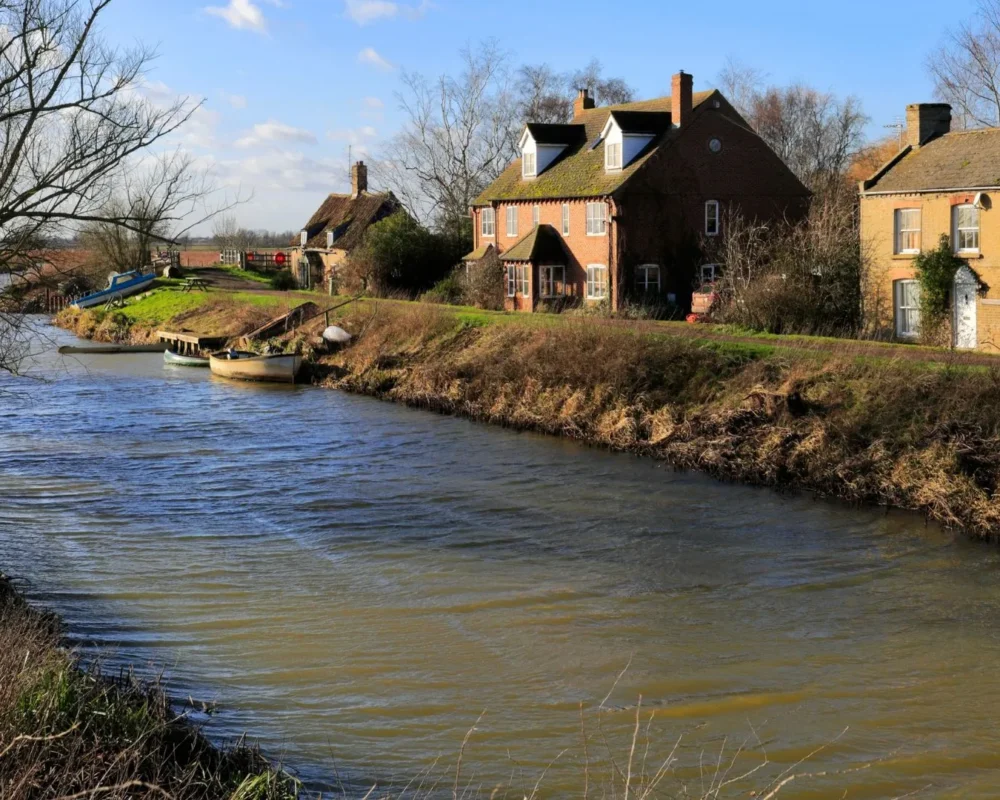
Ambitions to get our economy growing require an equal determination to address the barriers that hold it back. This summer, half of England was reported to be in serious drought for the second year running, and the Environment Agency warns of severe consequences for the economy, environment and wildlife if conditions do not improve. There’s […]
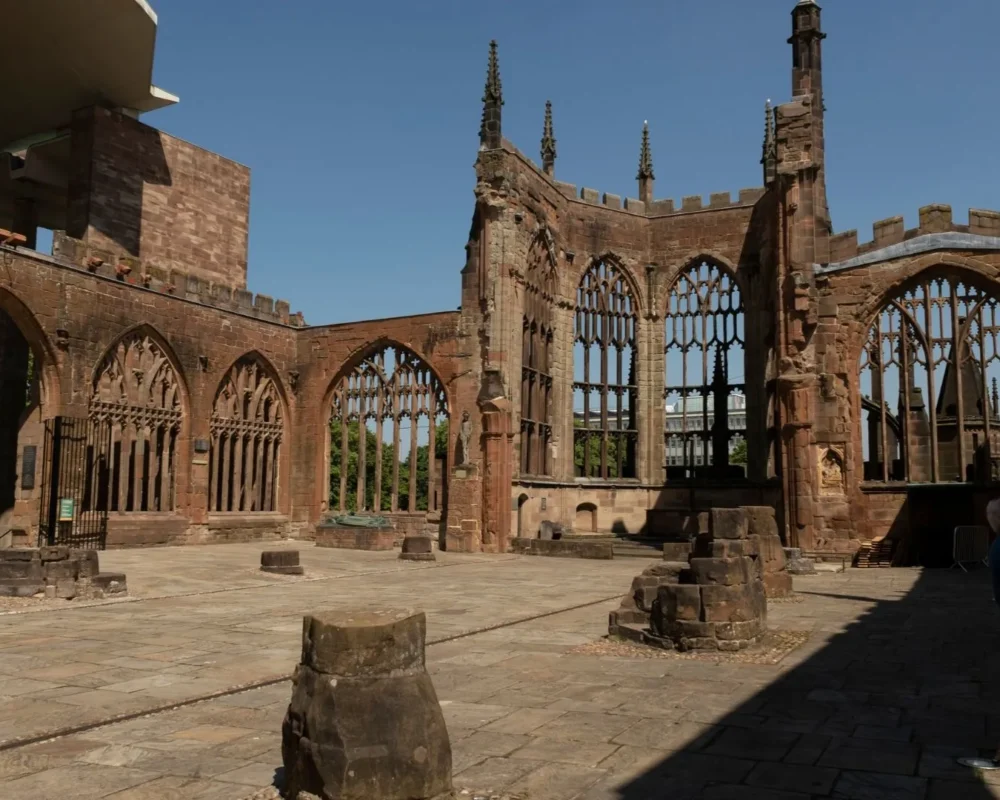
This week, Nimby Watch is paying a visit to the University of Warwick Warwick! What a beautiful place to visit. We’ve got the River Avon, a truly historic castle – begun by William the Conqueror himself – and a beautiful series of heritage buildings. What a delight. I assume you want to bulldoze half of […]

This week, Nimby Watch is golfing in Sevenoaks, a leafy town firmly within London’s commuter belt. Hang on, we’re golfing now? Since when did either of us play golf? Hey, I’ll have you know I placed third in a golfing competition just last month. I take my time at the tee deeply seriously. That was […]