Britain has tolerated antisemitism for far too long

Photo: Getty Images
Two years ago today, on October 7, 2023, Hamas terrorists stormed into southern Israel, murdering, raping, torturing and abducting men, women and children. It was the deadliest day for Jews since the Holocaust. Yet before Israel had even buried its dead, a different kind of assault began on Jews – not in the Middle East, but here in Britain.
A tsunami of antisemitism erupted across public life. Streets filled with chants that glorified the perpetrators. University campuses saw Jewish students hounded. Cultural institutions rushed to ‘contextualise’ terror. Hamas’s rhetoric about ‘Zionist oppressors’ that compared Israelis to Nazis, was repeated in NGOs, trades unions, hospitals, newsrooms and by politicians. ‘From the river to the sea,’ a call for the annihilation of Israel, and chants to ‘Globalise the Intifada’, meaning terrorism against civilians, entered the protest mainstream. The tolerance and justification of violence against Jews had begun.
British Jews are being collectively blamed for Israel’s actions. Zionism – Jewish self-determination – is reframed as supremacist colonialism. Jews are divided into ‘good Jews’ (anti-Zionists), and ‘bad Jews’ (Zionists) – a chilling echo of history. The latter are vilified and demonised so much that violence against them has become permissible. In 2024, the Community Security Trust recorded the highest number of antisemitic incidents ever logged in Britain. This wasn’t a blip: it was a turning point.
That turning point reached its dreadful conclusion last week in Manchester, when a man suspected to be an Islamist terrorist attacked worshippers outside a synagogue on Yom Kippur, the holiest day in the Jewish calendar. Two were killed and three injured. For many British Jews, it was a grim inevitability. The Chief Rabbi, Ephraim Mirvis, called the attack: ‘The day we hoped we would never see, but which deep down, we knew would come.’ The Intifada has indeed been globalised.
Unsurprisingly, the same voices that justified or celebrated October 7 did so again after the Manchester attack. Some claimed this was a legitimate target because it was a ‘Zionist synagogue.’ This time, those voices were louder and more numerous than in 2023.
Keir Starmer told British Jews: ‘I know how much fear you will be holding inside of you.’ Yet acknowledgment is not enough.
For two years, our politicians, police, and professional bodies have indulged narratives that normalise antisemitism: demonising ‘Zionists’, applying double standards to the world’s only Jewish state; conjuring Jewish conspiracies of power and privilege; claiming that Israel is intentionally starving Palestinian children, even though almost 90% of aid is looted by armed Palestinian gangs and Hamas.
Persistent claims of genocide abound, including in parliament, despite the Foreign Office stating that one isn’t occurring, and the only cited evidence comes from an unreliable UNHRC committee with openly anti-Zionist members. These aren’t debates about foreign policy; they are recycled blood libels, dressed up in the language of justice and rights. And they ended in blood.
British Jews are tired of hearing that ‘antisemitism is unacceptable’, when in practice it has been allowed to fester. When slogans calling for the destruction of Israel are widely chanted on British streets; when doctors and academics are allowed to keep their jobs after spewing antisemitic hatred; when musicians grow in popularity for supporting terror groups and calling for violence against Jews; when religious leaders spew Jew-hatred in mosques with impunity; when schoolchildren draw swastikas and tell Jewish classmates that Hitler was right; something has gone terribly wrong.
The Manchester attack must be a wake-up call. Complacency is no longer an option.
The Home Office announcing plans to increase police powers to place conditions on repeated marches is a good start, but we also need accountability. Organisers of protests that routinely include hate speech and public order offences, and those encouraging protesters to commit offences, should be held accountable.
Institutions and political parties that tolerate antisemitism must also face consequences. We also need education and early intervention. Antisemitic narratives take root early – online, in classrooms, on campus. They must be challenged, not appeased until they explode into violence.
We need political leadership that doesn’t condemn antisemitism while spinelessly allowing it to flourish to avoid upsetting certain voter blocks. Criticism of Israel is legitimate, but it must be fact-based and free from antisemitic tropes.
Above all, we need solidarity. Most people in Britain are appalled by the Manchester attack and by the rise in extremist rhetoric, but their voices must be louder. Antisemitism isn’t just a Jewish issue – it’s a threat to British values, democracy and social cohesion. The loudest voices preaching hatred of Jews also promote hatred of Western values. The longer it’s allowed to fester, the deeper it will seep.
The Manchester attack was the logical outcome of two years of moral erosion, of excuses made, lines blurred, hatred indulged. If we truly believe that antisemitism is unacceptable, then now is the moment to prove it.
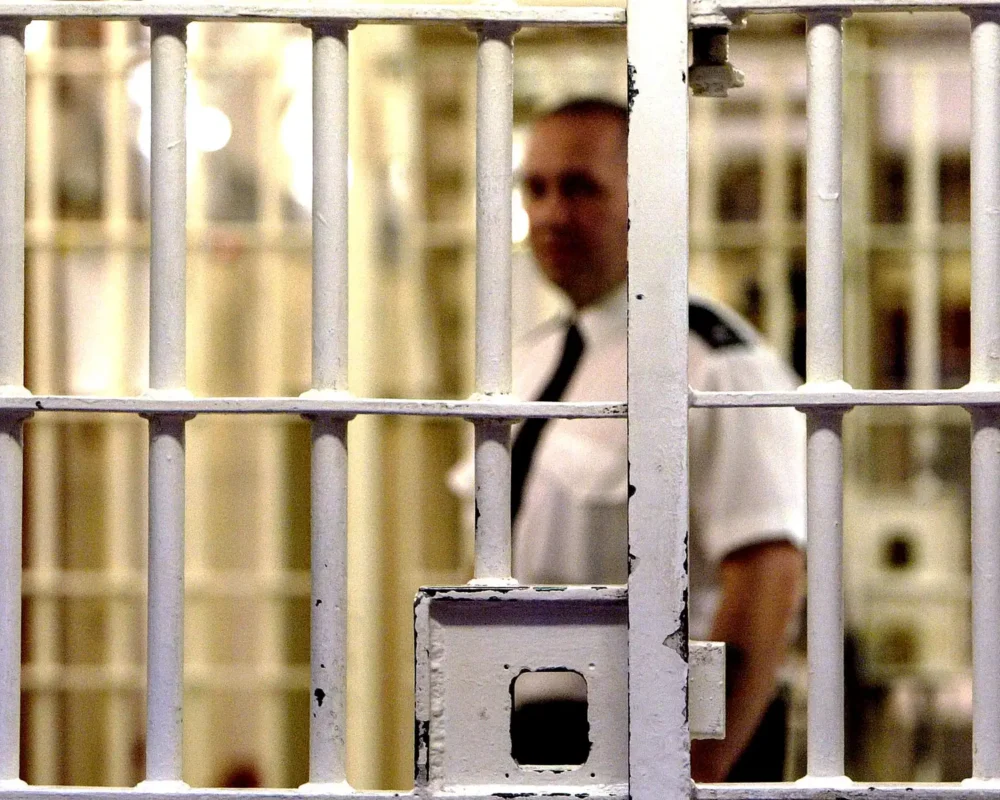
Just before Christmas, His Majesty’s Inspectorate of Prisons (HMIP) walked out of HMP Swaleside on the Kent coast to issue a rare red flag warning to Ministers. The ‘Urgent Notification’ painted a dystopian picture of an institution no longer in the control of the state, wracked by staff shortages, violence and drugs. The prison was […]
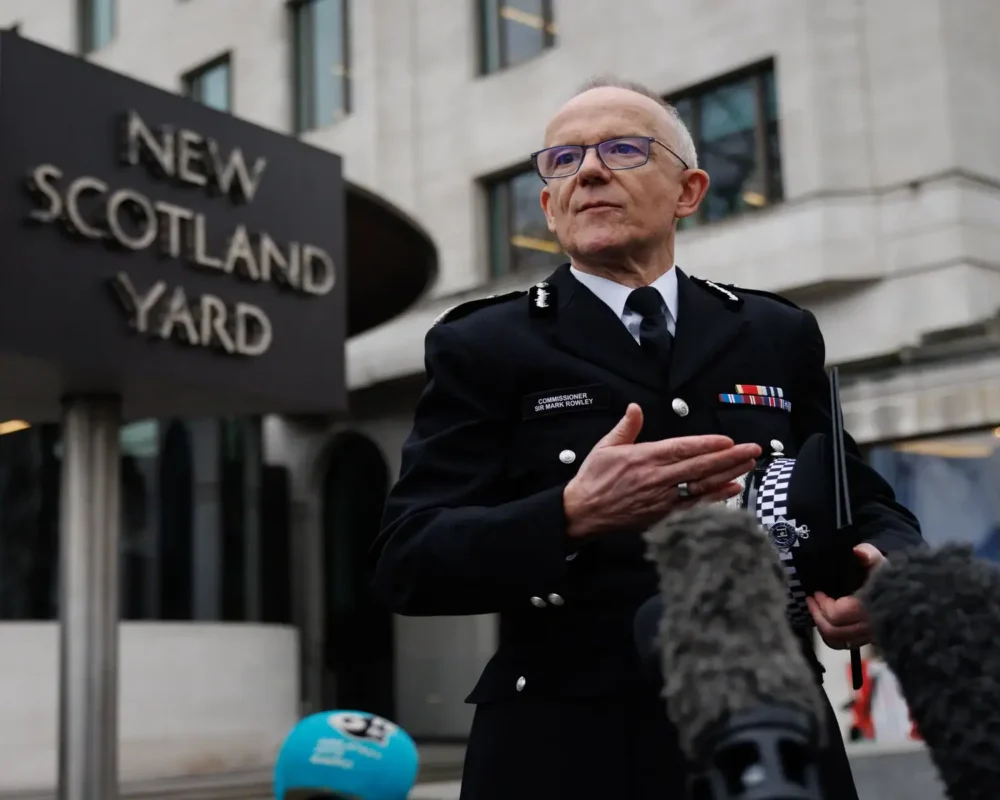
This week, the think tank Policy Exchange delivered a mid-term report on the performance of Metropolitan Police Commissioner Mark Rowley, who was enticed out of an apparently lucrative retirement to take command of the capital’s beleaguered police service. He will not find it agreeable reading, but then little that crosses his desk these days is. […]
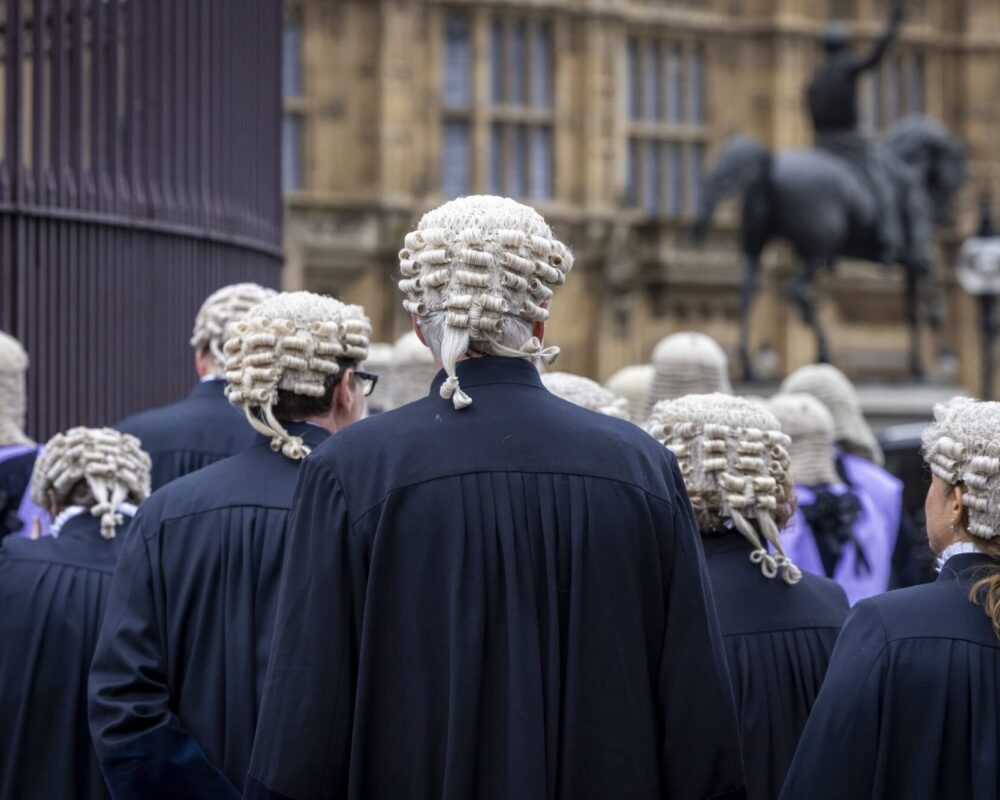
To paraphrase GK Chesterton, jury trial in the Crown Court has not been tried and found wanting, it has been found to require funding and thus has to be curtailed. Keen observers of the Ministry of Justice will not have been surprised by the demise of the Leveson Review’s proposal for a judge sitting with […]