Aerial view of cityscape at sunset in Dubai UAE.
Pictures via Getty images
Share this article
It may feel like a long time coming, but Britain is on the cusp of one of the biggest Brexit wins so far.
In May, Britain became the first G7 economy to conclude negotiations on a multi-billion-pound Free Trade Agreement (FTA) with the six-nation Gulf Cooperation Council (GCC), following nearly four years of negotiations and around 900 meetings. Importantly, the EU hasn’t been able to agree an FTA with the GCC, which includes Saudi Arabia, Bahrain, Kuwait, Oman, Qatar and the UAE. Together, they represent a combined GDP of roughly £1.8 trillion and an import market of around $1.04tn. This is projected to double in real terms by 2050. Final ratification is now imminent, with strong hopes all will be finalised by Christmas.
GCC estimates put total investment between the UK and the GCC at £480 billion, while bilateral trade reached approximately £53bn in 2025, making the bloc the UK’s tenth-largest trading partner and eighth-largest goods export market. The agreement is expected to eliminate tariffs on more than 90% of UK exports to the GCC, opening new opportunities for businesses and strengthening the Gulf’s position as a major economic partner for Britain. The deal will remove an estimated £580 million in duties a year, based on current UK exports to the GCC, with £360m of that scrapped on day one.
To sacrifice an independent trade policy and new opportunities across fast-growing markets is arguably the biggest mistake Labour could make
Whitehall estimates the FTA will add £3.7bn a year to the UK economy, increase real wages by £1.9bn annually, and grow bilateral trade by nearly 20%.
The opportunities are clear. The Gulf is keen to develop smart cities and sustainable housing, attract leading international technology companies, alongside cooperation in healthcare, financial technology, artificial intelligence, advanced manufacturing and clean energy. These sectors have become increasingly important to the GCC’s economic transformation plans, as governments seek to attract international expertise, develop new industries and create sources of growth beyond traditional sectors like oil and gas.
There are also clear opportunities in aviation, security, defence, financial and legal services, artificial intelligence and digital infrastructure. British companies will establish new markets for their technical expertise, products and specialist services, while the deal also creates opportunities for Gulf investors to expand their involvement in Britain’s technology, infrastructure and financial sectors. It could lead to a more resilient tech-based economy for Britain.
The UK hopes the agreement will particularly encourage larger and more sustained flows of Gulf capital into British infrastructure, property and other strategic sectors, while opening one of the world’s most important markets to British exporters.
So what is the problem? Put simply, Britain cannot have an independent trade policy and sign deals like this if it were back in the EU. Andy Burnham has said he wants a new ‘reset’ relationship with Brussels that could involve rejoining the EU single market and customs union, despite the Labour Party previously ruling out both. Joining the customs union would force Britain to sacrifice the trade deals it has already struck since Brexit. These include deals with Japan, Australia, the Asia Pacific trading bloc the Comprehensive and Progressive Agreement for Trans-Pacific Partnership (CPTPP), India and now the Gulf (GCC).
Rejoining the customs union would also mean Britain formally giving up its trade policy to Brussels and having to introduce the EU’s customs tariff. This would undermine new relationships with some of the newest, fastest-growing and most dynamic economies in the world and surrender the ability to negotiate trade deals in the national interest, all while EU markets become a smaller part of the UK’s export market.
Ironically, the EU is now pursuing closer ties with the CPTPP. Germany has called for a full FTA with integrated supply chains. Brussels has been seeking an FTA with the GCC since 1988 but they rejected unacceptable terms. Talks were suspended in 2008 and have yet to restart.
Last month in the City, the Trade Minister, Lord Sarwar, told a UK-GCC conference that the FTA was very important to the Government and would deliver economic growth. He even urged businesses not to wait until the FTA had been formally ratified before exploring key new partnerships. Perhaps, in no uncertain terms, he should tell the Prime Minister what is at stake?
Stay informed with our free daily briefing.
There are many policies which are dear to Labour hearts but which would have to be abandoned if Britain rejoined the EU. EU state aid rules mean the Government couldn’t nationalise the railways in the way it plans; it couldn’t nationalise the steel industry; it couldn’t levy VAT on school fees or permit and support many important R&D techniques now helping advance British farming, such as gene editing and precision breeding. It is a long list.
But to sacrifice an independent trade policy and new opportunities across fast-growing markets is arguably the biggest mistake Labour could make.
Tony Lodge is a Research Fellow at the Centre for Policy Studies and a former Editor of the European Journal
More Trade
12 Nov 2026
Trade
Marco Forgione
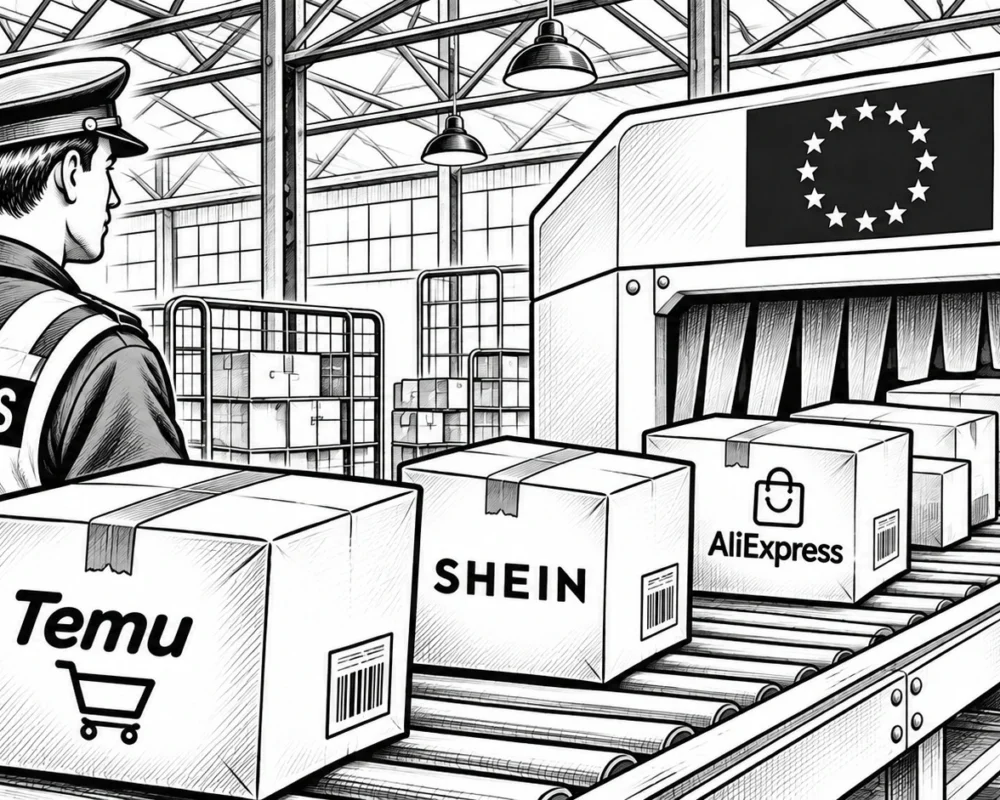
The EU is closing the Temu loophole. Britain is next
Trade moves faster than regulation, and nowhere more so than in e-commerce, whose marketplaces and traders are by their very nature responsive, innovative and dynamic. For governments and regulators, that is a special challenge. The big platforms are ruthlessly focused on ways to build margin, increase customers and simplify systems. Over the past five years, […]
30 Oct 2026
Foreign Policy
Ted Grainger
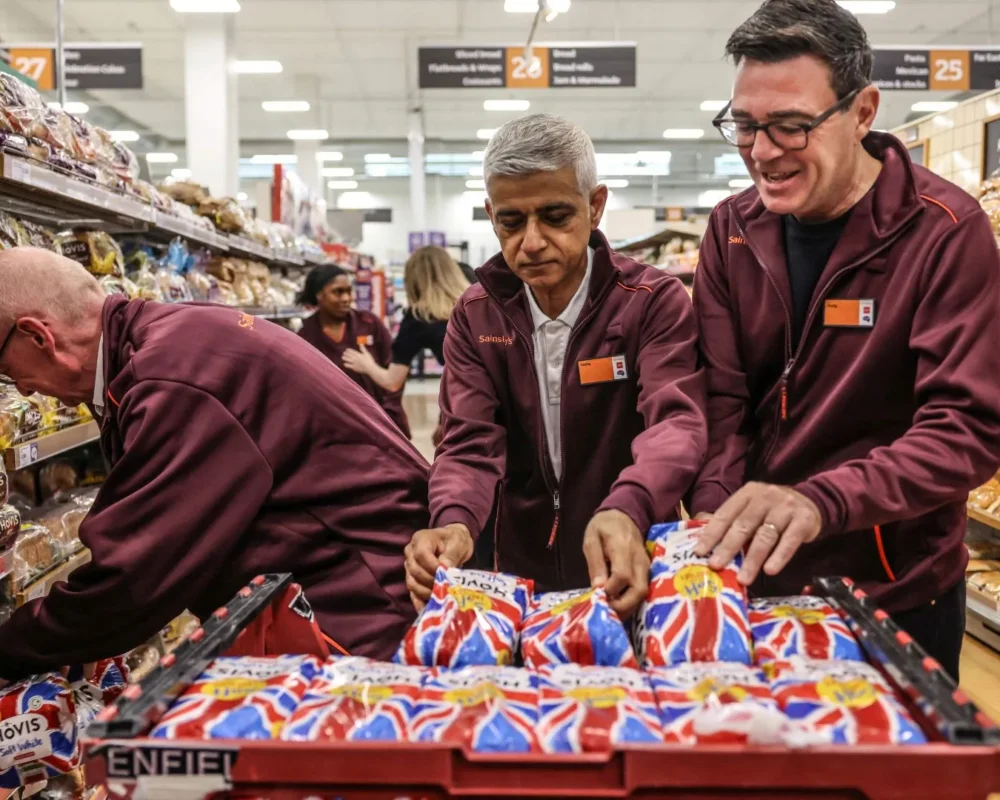
Labour’s food tariffs are bananas
Good news everyone. The Government has conceded the war on free trade. The Chancellor has seen the light and announced a package of tariff removals and extensions with the explicit aim of reducing household costs. That’s the good news. The bad news is that the package announced is pitiful. It should be celebrated that you […]
28 Oct 2026
Economics
Ryan Bourne
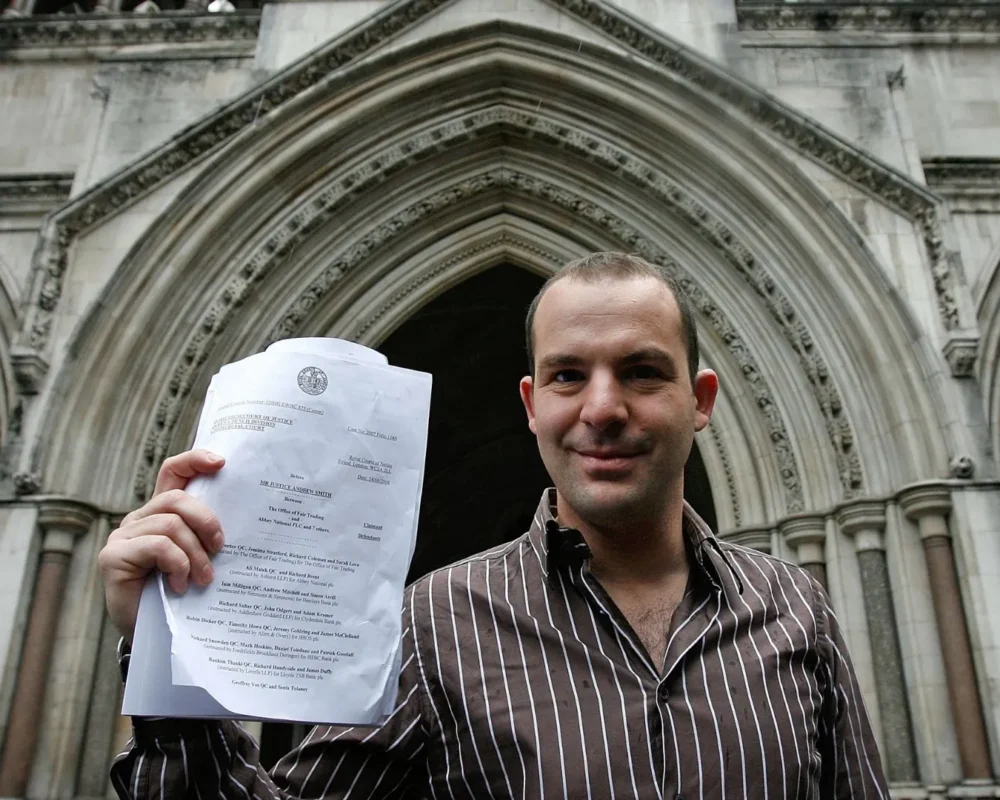
Is Britain really a MoneySavingExpert economy?
Ed Conway is a great economic commentator. Yet even the best of us err. In a long essay for the New Statesman, the Sky News economics and data editor recently argued that Britain runs on what he calls the ‘MoneySavingExpert model’. ‘The country’s guiding principle,’ Conway wrote, ‘from the Thatcher years to the Blair ones […]
Manage Consent
To provide the best experiences, we use technologies like cookies to store and/or access device information. Consenting to these technologies will allow us to process data such as browsing behavior or unique IDs on this site. Not consenting or withdrawing consent, may adversely affect certain features and functions.
Functional Always active
The technical storage or access is strictly necessary for the legitimate purpose of enabling the use of a specific service explicitly requested by the subscriber or user, or for the sole purpose of carrying out the transmission of a communication over an electronic communications network.
Preferences
The technical storage or access is necessary for the legitimate purpose of storing preferences that are not requested by the subscriber or user.
Statistics
The technical storage or access that is used exclusively for statistical purposes.The technical storage or access that is used exclusively for anonymous statistical purposes. Without a subpoena, voluntary compliance on the part of your Internet Service Provider, or additional records from a third party, information stored or retrieved for this purpose alone cannot usually be used to identify you.
Marketing
The technical storage or access is required to create user profiles to send advertising, or to track the user on a website or across several websites for similar marketing purposes.