Labour’s leasehold socialism must be opposed
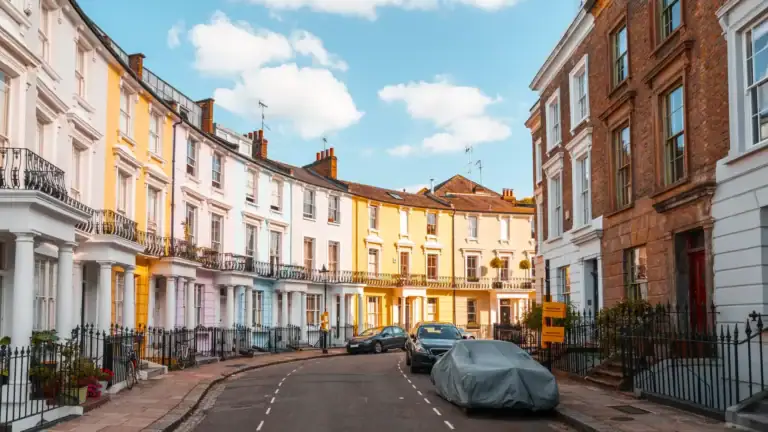
Photo: Getty Images
Last week, the Government announced its intention to cap ground rent on leaseholds at £250 per year, with the cap falling to a peppercorn rate after 40 years. The main justification for the proposal is that it will reduce the cost of living for many residents – the mean ground rent today being £304 a year.
This leasehold reform is yet another violation of landowners’ private property; indeed, it amounts to stealing income rights from freeholders. Moreover, the long-term effect of prohibiting ground rent will be to simply raise the price of leaseholds, thus making home-ownership an even more distant prospect for young people. Defenders of private property must oppose this socialism of the freeholders outright.
Raising the living standards of poor people is no warrant to violate the property rights of rich people. It is wrong for a poor person to steal a cake from a very profitable bakery; it is also wrong for a poor person to threaten jail against their landlady if they fail to lower room rent. Whether or not an alleged ‘greater good’ comes about because neither baker nor landlady is much affected is irrelevant. Analogously, then, capping ground rent at £250 is wrong too; violating, as it does, landowners’ private property via non-consensually dispossessing them of rights to income they have arrived at via free contract. The lives of freeholders should not be subordinated to the lives of leaseholders. Each person should stand on their own two feet.
How can this liberal thinking be rebutted? Besides the cost-of-living argument, two themes are gestured to in the Government’s press release: first, ending a legacy of the feudal system, and second, giving greater control over land to leaseholders. Along with classical liberals of the 18th Century, such as Adam Smith, I oppose feudalism because of the illegitimate title of the lord, via, for example, the Norman Conquest in 1066, and the infringement of the peasant’s freedom via their tie to the land. Although leasehold has its origins as a legal form in a feudal age, this is not per se a reason to oppose it; after all, leasehold is just a long rental contract. Should socialists object to the Duke of Westminster’s London leaseholds due to them being illegitimate holdings, they should strip him of his land, not ride roughshod over every freeholder in the country.
Does giving leaseholders full control over their housing justify stripping freeholders of their rights? No. The fact that something is important to you doesn’t mean you can make a legal claim to it. Many people lease cars to get to work, and, obviously, this doesn’t mean they can knock down the agreed price with the dealer. People can still have full control over their homes by buying freehold, which 81% of English housing still is. Sure, it’s more expensive, but this is because you’re actually getting the land itself. Two further things can be said against what I’d call the ‘autonomy argument’ for outlawing ground rent.
First, if people having control over where they live is so important, then reducing ground rent will actually increase the cost of leasehold and therefore keep many people in rental accommodation – thus defeating the original aim of the policy. House prices are simply the continuous stream of rental income discounted by the interest rate. This means where leasehold ground rents are capped landowners will demand more money upfront for leasehold to keep the present value of the sale equal to a freehold sale. It must be admitted, though, current leaseholders will face a windfall gain should this measure be passed.
Second, if capping ground rent is a means to ultimately replacing leasehold with freehold, and indeed, the Leasehold Reform Act of 2022 stopped most new leaseholds with ground rent, then it is self-defeating. This is because a freehold is to hold all rights over the land, but if you’re prohibited from creating a leasehold out of it, then you don’t have a freehold.
A final argument for capping ground rent might be Henry George’s case that all landowners owe money to the landless, because, having not created the land, they have no title to the ground rent understood as the natural value of it, and as such a cap achieves much the same as a land value tax. Against George, I’d would say this. The original acquisition of the land is established by labour mixing, and provided no one is worse off by it in the round, there can be no complaint or call for compensation.
Landowners must be defended against this wretched socialist proposal to steal their income rights away from them. Freeholders’ rights should not be subordinated to make living easier for leaseholders. In the long term too, the expected £4,000 saving to each leaseholder will be wiped out as freeholders simply charge higher prices for leaseholds to make them competitive with freeholds. All in all, private property must stand, and Labour’s expropriation must be opposed.
Ambitions to get our economy growing require an equal determination to address the barriers that hold it back. This summer, half of England was reported to be in serious drought for the second year running, and the Environment Agency warns of severe consequences for the economy, environment and wildlife if conditions do not improve. There’s […]

This week, Nimby Watch is paying a visit to the University of Warwick Warwick! What a beautiful place to visit. We’ve got the River Avon, a truly historic castle – begun by William the Conqueror himself – and a beautiful series of heritage buildings. What a delight. I assume you want to bulldoze half of […]

This week, Nimby Watch is golfing in Sevenoaks, a leafy town firmly within London’s commuter belt. Hang on, we’re golfing now? Since when did either of us play golf? Hey, I’ll have you know I placed third in a golfing competition just last month. I take my time at the tee deeply seriously. That was […]