The Price Mechanism
What Burnham needs to learn from Thatcher’s Right to Buy

7 July 2026
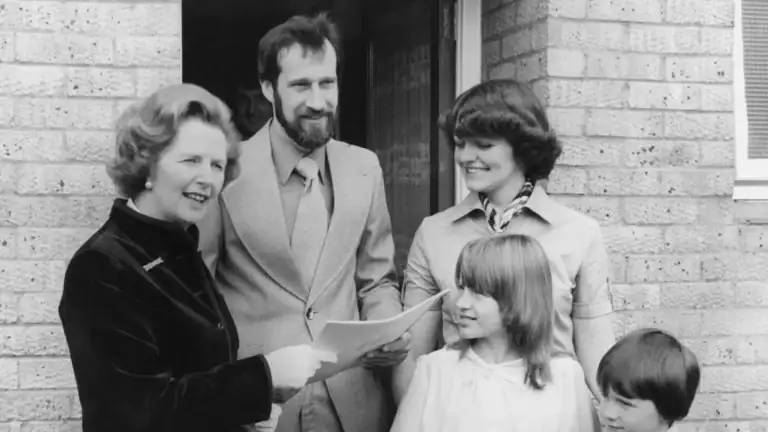
Mrs Thatcher hands over the deeds to a council house. Keystone/Hulton Archive/Getty Images
For many people, there is a brilliant piece of music or an inspiring novel that changes their life. For a freak like me, it was obviously a documentary. And of course it was a documentary about Margaret Thatcher. Released just after she died, ‘Margaret, Death of A Revolutionary’ set me on the path of believing in liberty, limited government and social mobility in a way I had never really understood before.
But it wasn’t the interviews with leading Thatcherites that did it. Nor was it interviews with her opponents, from hypocritical leftists to disgusting snobs who insulted her in personal attacks. Instead, filmmaker Martin Durkin went to working class Basildon, to show where the Thatcherite revolution took hold – in the hearts and minds of millions of ordinary Brits.
There is a section that makes me choke up every time I watch it. A few simple shots of normal people, standing outside their homes, proud as punch. Gardens perfectly maintained. Roses climbing the trellises, blooms spilling from flowerbeds and hanging baskets. A husband putting his arm around his wife and beaming at the camera, safe in the knowledge that, for that Englishman, his home is HIS and is really his castle.
Before the war, only one in 10 lived in a state-owned home. By the time Thatcher came into office, it was a third of all Brits
Since 1947, the Town and Country Planning Act has done more to disfigure Britain than the Luftwaffe ever managed. One aspect was to turn our property-owning democracy into one in which people lived in homes owned by the state. Before the war, only one in 10 lived in a state-owned home. By the time Thatcher came into office, it was a third of all Brits.
Mrs Thatcher couldn’t bear this diminution of the glory of being able to own your home. She said during one speech:
They think it’s attractive to offer to the young a future wholly controlled by the operation of the socialist state.
What is their message? To each his own pigeonhole. From each total conformity. We utterly reject it.
And reject it she did. Her flagship Right to Buy policy helped millions of people; more than two million in fact. These people were given financial security and the start of passing something on to their children in a way that would have been impossible otherwise.
They include our former deputy prime minister Angela Rayner, who purchased her council house in 2007. Indeed, as early as 1985 Neil Kinnock, the Labour leader, changed his party’s policy to stop opposing Right to Buy, as part of a shift to make the party more electable.
Alas, an understanding of the opportunity, security and prosperity that home ownership brings is no longer shared by Labour leaders. During an otherwise vacuous speech full of corporate babble, one policy was clearly discernible from Andy Burnham. He wants to build millions of council houses, using public land to make it easier to get the permissions necessary.
I will grant that it is possible that converting unused, state-owned land into residential properties might work, depending on the location. Better though, of course, would be to sell it on an open market and let those with actual expertise and a sense of real demand signals do the work.
But the real problem has been the inability to build in general. Where, of course, the state is the problem, rather than the solution. I am doubtful of Burnham’s ability to even do this, based on recent evidence. Rayner completely failed to deliver Labour’s housing target, and under another hallowed metro mayor, Sadiq Khan, London building has almost stopped entirely.
Instead, the Tories and Reform UK should pledge to extend the right to buy to every council house built by Burnham, should they succeed him. And they should go further than the blessed Margaret. Why not copy John Wills’s superb idea, as set out recently in CapX, and give them away to tenants. That would represent an actual transfer of power from the state to the people. And would be truly revolutionary.

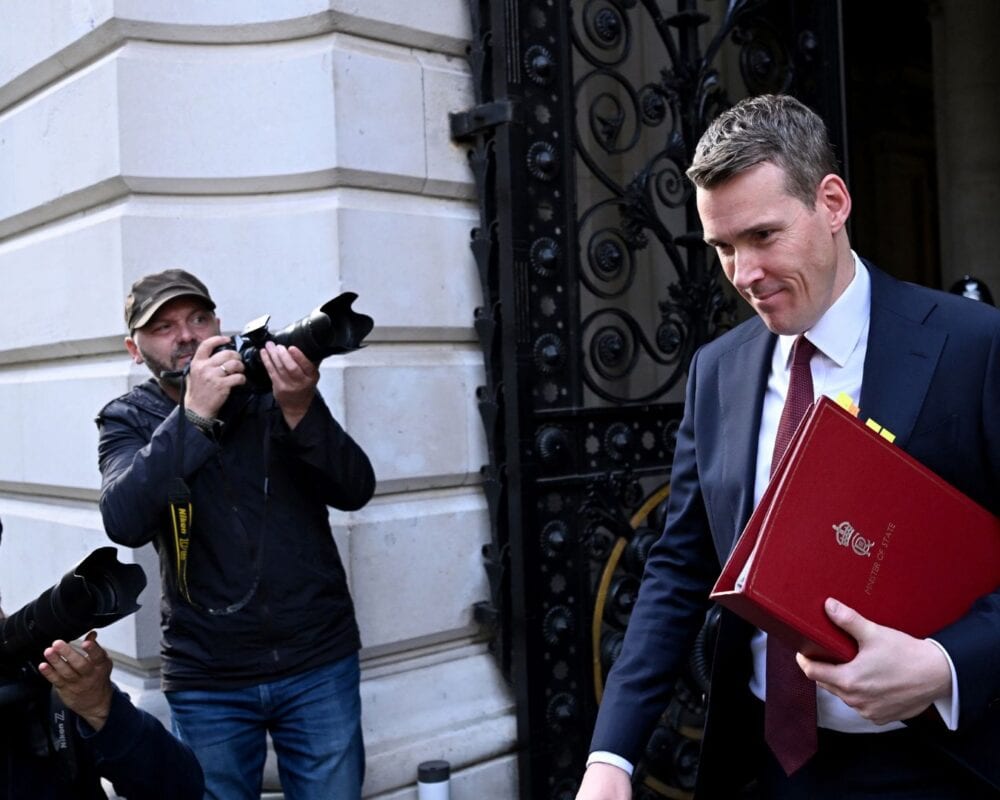
Among the eye-catching announcements from the Labour Party Conference in Liverpool is a proposal to allow councils to seize privately owned homes. Matthew Pennycook, the Housing Minister, tweets: ‘It’s not a silver bullet, but bringing more empty homes back into use can help solve the housing crisis. Today, we’re announcing strengthened powers for councils to […]
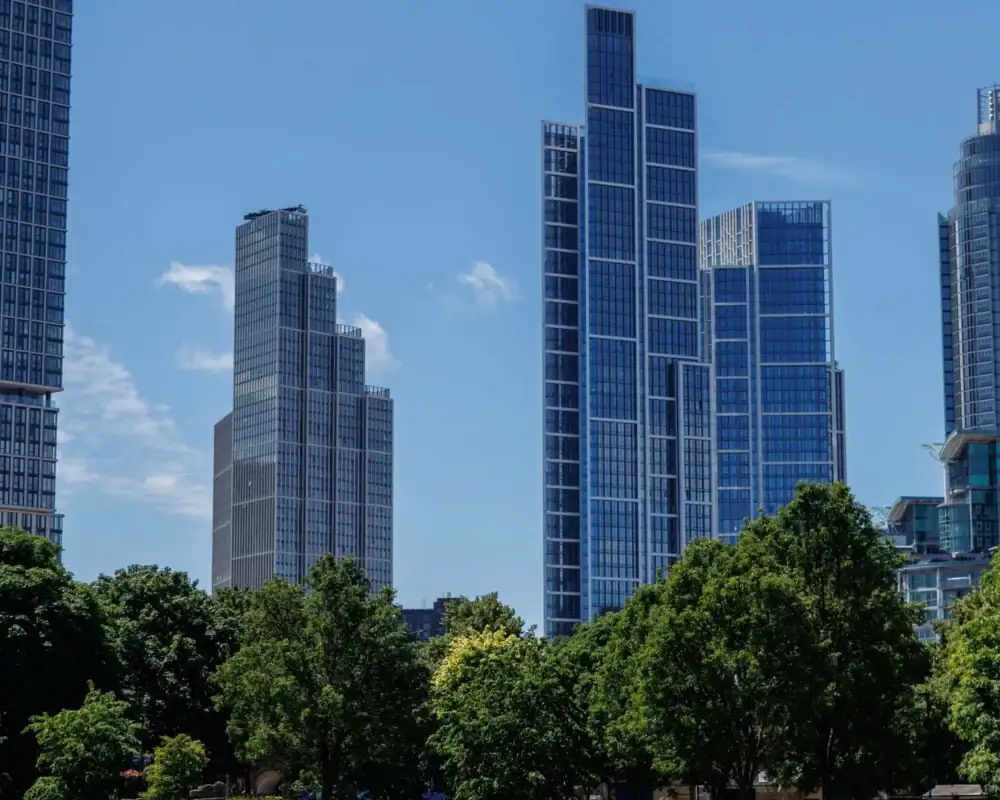
This week, Nimby Watch is in Vauxhall, where people are up in arms about a proposed new high-rise… Alright then, Vauxhall. According to my notes, we’re in a nondescript, marshy village near London, named for Faulke’s (or Fox’s) Hall, though not really known by that until the Pleasure Gardens opened in 1740. I mean, you’re […]

This week, Nimby Watch is on its way to Edgware – but it’s taking the long route… Ummm…where are we? Because I’m going to be honest, this doesn’t look too familiar… Well, for now, we’re in the West Bank, the larger of the two territories that make up Palestine – the other, of course, being […]